
Hamanatto vs Anchovies: What’s the Difference?
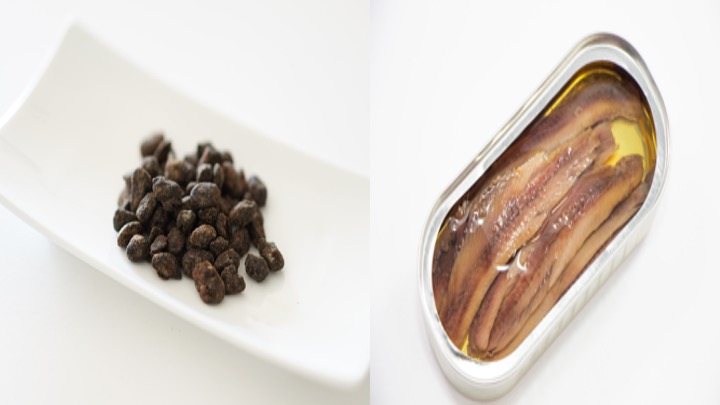
Hamanatto vs Anchovies
What’s the Difference?
Hamanatto vs Anchovies
Few ingredients have earned a reputation for delivering as much natural umami as anchovies.
Despite their small size, anchovies have become indispensable in professional kitchens around the world.
They enrich pasta sauces, Caesar dressing, pizza, and countless Mediterranean dishes.
Hamanatto has earned similar respect in Japan.
Although made from soybeans instead of fish, it offers an equally impressive depth of naturally developed umami.
At first glance, these two ingredients appear completely unrelated.
One comes from the sea.
The other comes from the field.
One is preserved fish.
The other is fermented soybeans.
Yet both have become valued by chefs for exactly the same reason:
A surprisingly small amount can transform the flavor of an entire dish.
Understanding how they differ helps chefs decide when each ingredient creates the greatest impact.
Quick Comparison
| Feature | Hamanatto | Anchovies |
|---|---|---|
| Country of Origin | Japan | Mediterranean region |
| Main Ingredient | Soybeans | Small salt-cured fish |
| Texture | Firm and chewy | Soft and tender |
| Preservation | Fermentation and aging | Salt curing and aging |
| Main Use | Finishing ingredient & cooking seasoning | Flavor enhancer |
| Flavor | Deep fermented umami | Salty seafood umami |
What Are Anchovies?
Anchovies are small fish that have been preserved in salt before being aged for several months.
During this process, natural enzymes gradually break down proteins into flavorful amino acids, creating their famous savory taste.
Although many people associate anchovies with a strong fish flavor, professional chefs often use them in surprisingly subtle ways.
Common uses include:
- Pasta sauces
- Caesar dressing
- Pizza
- Roasted vegetables
- Meat sauces
- Compound butter
When cooked, anchovies usually dissolve into the dish, leaving behind rich umami rather than a noticeable fish flavor.
What Is Hamanatto?
Hamanatto is one of Japan’s oldest fermented soybean foods.
Whole soybeans are fermented with koji mold before being carefully aged for more than one year.
Unlike anchovies, Hamanatto remains completely plant-based.
Its long fermentation creates concentrated natural umami while preserving the firm texture of each soybean.
Instead of melting into sauces, Hamanatto is often served whole as a finishing ingredient, allowing diners to experience both its flavor and unique texture.
Its rarity and traditional craftsmanship have made it increasingly attractive to chefs searching for distinctive Japanese ingredients.
Why Are They Often Compared?
Although their ingredients are entirely different, Hamanatto and anchovies share an important culinary role.
Neither is usually the main ingredient.
Instead, both act as natural umami boosters.
A small amount can dramatically deepen the flavor of soups, sauces, vegetables, pasta, and meat dishes.
For chefs, both ingredients provide an efficient way to create complexity without overwhelming the rest of the plate.
This shared ability to enhance flavor is why Hamanatto is increasingly being discussed alongside anchovies in modern kitchens.
Discover Authentic Japanese Umami
Anchovies have long been celebrated as one of the world’s finest natural flavor enhancers.
Hamanatto offers another path to extraordinary umami—crafted from soybeans, naturally fermented, and aged for more than a year using traditional Japanese methods.
Texture: Firm Soybeans vs Delicate Fish
Although both ingredients are prized for their umami, their textures are completely different.
Hamanatto remains firm even after more than one year of fermentation.
Each soybean keeps its shape and offers gentle resistance when bitten. As you continue chewing, increasingly complex layers of savory flavor are released.
Anchovies are almost the opposite.
After months of salt curing, the flesh becomes extremely soft and delicate.
In many recipes, anchovies dissolve almost completely during cooking, leaving behind only their rich umami.
For chefs, this difference is significant.
Hamanatto contributes both texture and flavor.
Anchovies contribute primarily flavor.
Flavor: Fermented Soy vs Ocean Umami
Both ingredients are naturally rich in glutamates, but they express umami in different ways.
Hamanatto develops a deep, mature flavor through long fermentation.
Its taste is often described as:
- Earthy
- Rich
- Nutty
- Deeply savory
- Long-lasting
Anchovies offer a brighter, saltier profile.
Their umami comes from naturally aged fish proteins and is accompanied by:
- Marine richness
- Salty intensity
- Slight sweetness
- Lingering savory depth
Despite their reputation, high-quality anchovies should never taste overwhelmingly “fishy.”
Instead, they provide balance and complexity.
Aroma: Mature Fermentation vs Sea Breeze
The aromas reflect their completely different origins.
Hamanatto develops elegant notes of:
- Roasted soybeans
- Dark miso
- Toasted nuts
- Cocoa
- Aged fermented foods
Its aroma becomes richer as the beans warm on the plate.
Anchovies have a clean ocean aroma combined with pleasant saltiness.
Premium anchovies smell fresh and savory rather than overly strong.
When heated in olive oil or butter, their aroma softens and blends beautifully with garlic, herbs, and vegetables.
Fermentation and Aging
Although both rely on time, their production methods are fundamentally different.
| Hamanatto | Anchovies |
|---|---|
| Whole soybeans | Small fish |
| Koji mold fermentation | Salt curing and enzymatic aging |
| Aged for about one year or longer | Usually aged several months |
| Plant-based | Seafood |
| Dry finished product | Moist, oil-packed or salt-packed |
Both methods allow proteins to break down naturally into amino acids responsible for their remarkable umami.
The result is similar in purpose, even though the ingredients are entirely different.
How Professional Chefs Use Them
Professional chefs appreciate both ingredients because a small quantity creates a significant impact.
Anchovies are commonly used in:
- Caesar dressing
- Pasta puttanesca
- Tomato sauces
- Compound butter
- Pizza
- Roasted vegetables
Most diners never realize anchovies are present because they dissolve during cooking.
Hamanatto is commonly used in:
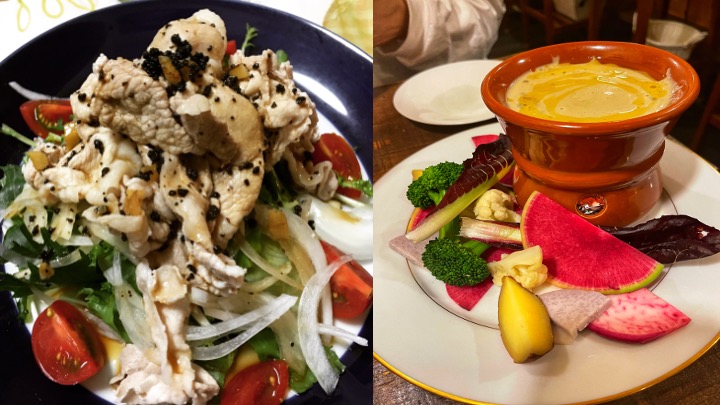
- Steak
- Pasta
- Risotto
- Seafood
- Roasted mushrooms
- Cheese boards
- Fine dining garnishes
Unlike anchovies, Hamanatto remains visible and provides both visual interest and texture.
Rather than hiding inside the dish, it becomes part of the presentation.
Discover Authentic Japanese Umami
Anchovies have long been one of the world’s favorite natural flavor enhancers.
Hamanatto offers another remarkable source of naturally developed umami—crafted from soybeans and aged using centuries-old Japanese fermentation techniques.
Can Hamanatto Replace Anchovies?
The answer is sometimes—but not entirely.
Both Hamanatto and anchovies are famous for adding remarkable umami.
However, they create that umami in very different ways.
Anchovies are usually cooked into a dish.
As they heat, they dissolve almost completely, enriching sauces and dressings without leaving visible pieces.
Hamanatto behaves differently.
Its whole soybeans remain firm, allowing each bite to deliver concentrated umami along with a satisfying chewy texture.
For this reason, Hamanatto should not be considered a direct substitute for anchovies.
Instead, it offers chefs another way to build savory depth while adding visual appeal.
Which One Should You Choose?
The best ingredient depends on your cooking style.
Choose Anchovies if you want:
- A classic Mediterranean flavor
- Umami that disappears into sauces
- Richness for pasta and dressings
- A seafood-based seasoning
Choose Hamanatto if you want:
- A plant-based source of umami
- A premium Japanese ingredient
- Visible texture on the plate
- A naturally fermented finishing ingredient
- A distinctive conversation piece for guests
Rather than replacing each other, the two ingredients expand a chef’s creative possibilities.
Frequently Asked Questions
Does Hamanatto taste like anchovies?
No.
Anchovies provide a salty seafood umami.
Hamanatto delivers a deeper, earthier flavor created through long soybean fermentation.
Their umami is similar in intensity but very different in character.
Can Hamanatto replace anchovies in Caesar dressing?
Not directly.
Anchovies dissolve smoothly into the dressing and contribute both saltiness and seafood richness.
Hamanatto has a completely different texture and is better suited as a garnish or finishing ingredient.
Is Hamanatto suitable for vegetarian cooking?
Yes.
Traditional Hamanatto is entirely plant-based, making it an excellent choice for vegetarian and vegan dishes that need additional umami.
Anchovies, of course, are not suitable for vegetarian diets.
Why are chefs interested in Hamanatto?
Because very few ingredients combine:
- Long-term fermentation
- Intense natural umami
- Firm texture
- Traditional Japanese craftsmanship
These qualities make Hamanatto stand out even among the world’s most respected fermented foods.
Can chefs use both together?
Absolutely.
Some chefs use anchovies to deepen the flavor of sauces while finishing the dish with Hamanatto.
This creates multiple layers of umami without making either ingredient dominate the plate.
Chef’s Verdict
For professional chefs, Hamanatto and anchovies are not competitors.
They solve different culinary challenges.
Anchovies create an invisible foundation of savory flavor that blends naturally into a dish.
Hamanatto adds concentrated umami while remaining visible, allowing texture, appearance, and flavor to work together.
Understanding when to use each ingredient gives chefs greater creative freedom and opens new possibilities for modern cuisine.
Final Thoughts
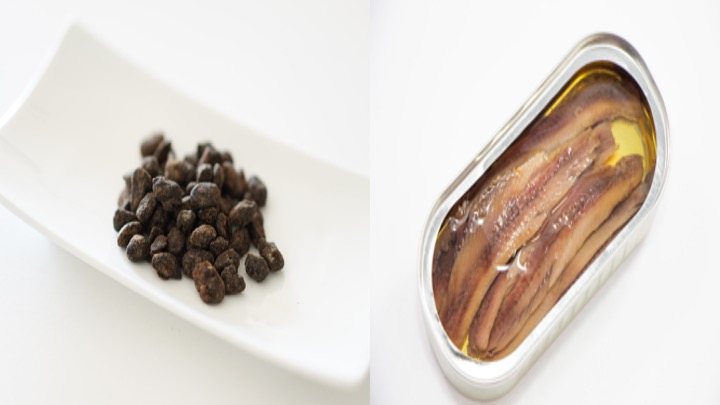
Hamanatto and anchovies demonstrate that extraordinary umami can come from completely different ingredients.
One comes from the sea.
The other comes from soybeans.
Both rely on time, careful aging, and traditional craftsmanship to develop their remarkable flavors.
Rather than asking which ingredient is better, the more interesting question is how each can inspire new dishes.
For chefs willing to explore beyond familiar ingredients, Hamanatto offers an exciting Japanese alternative that brings both history and innovation to the table.
Related Articles
Continue exploring naturally umami-rich ingredients:
- What Is Hamanatto?
- How Hamanatto Is Made
- What Hamanatto Tastes Like
- Hamanatto vs Natto
- Hamanatto vs Miso
- Hamanatto vs Soy Sauce
- Hamanatto vs Douchi
- Hamanatto vs Marmite
- Hamanatto vs Parmesan Cheese
- Why Michelin Chefs Should Know Hamanatto
Discover Authentic Hamanatto
Anchovies have long been celebrated for their ability to enhance flavor.
Authentic Hamanatto offers another path to extraordinary umami—crafted from soybeans, naturally fermented, and aged for more than one year using traditional Japanese methods.
Experience one of Japan’s rarest fermented delicacies and discover a new dimension of natural umami.