未分類

34: The Science of Glutamic Acid

Discover how glutamic acid develops during fermentation, why it creates umami, and how naturally fermented foods like Hamanatto deliver extraordinary depth of flavor.
Umami

33 Why Fermentation Creates Umami

Why Fermentation Creates UmamiIntroductionFermentation has preserved food for thousands of years.Yet preservation is onl...
Umami

32 The Five Basic Tastes Explained

The Five Basic Tastes Explained IntroductionEvery memorable dish begins with balance.Whether prepared in a Michelin-star...
Umami

31 What Is Umami? The Fifth Taste That Changed Modern Cuisine

What Is Umami? The Fifth Taste That Changed Modern Cuisine IntroductionWhen people first hear the wordumami, many assume...
For Chefs

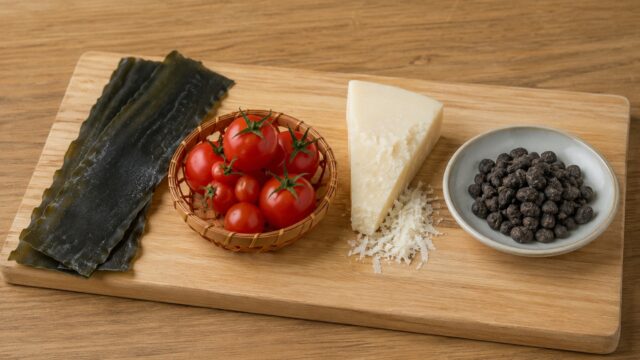
13 The World’s Great Umami Foods: A Practical Guide for Chefs

Explore the world's great umami-rich foods, from kombu and shiitake to Parmesan, anchovies, soy sauce, miso, and Hamanatto.
For Chefs

12 Hamanatto vs Other Umami Ingredients : Which Should Chefs Use?

 Compare Hamanatto with soy sauce, fish sauce, anchovies, and Parmesan to understand when each umami ingredient works best.
Hamanatto

11Hamanatto vs Other Fermented Foods : How Is It Different?

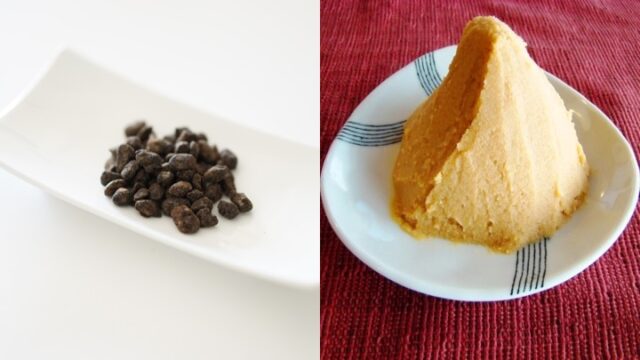
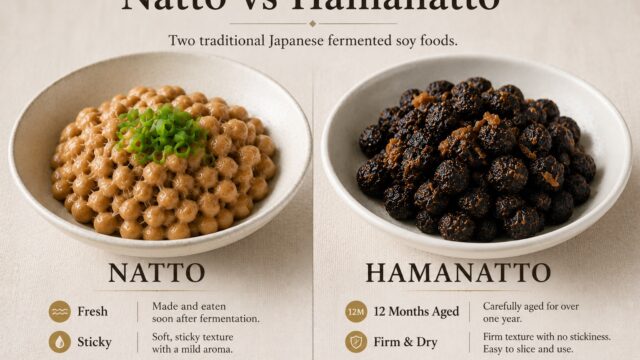
How is Hamanatto different from natto, miso, douchi, and Marmite? Compare texture, fermentation, flavor, aroma, and culinary uses.
For Chefs

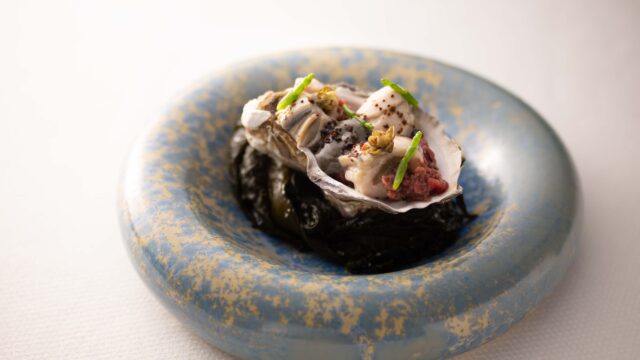
10 How Chefs Can Use Hamanatto: A Practical Guide to Japanese Umami

A practical guide for chefs on using Hamanatto in sauces, pasta, vegetables, mushrooms, meat, and modern cuisine without overpowering a dish.
Hamanatto

09 Hamanatto and Cheese: The Unexpected Umami Pairing Loved by Chefs

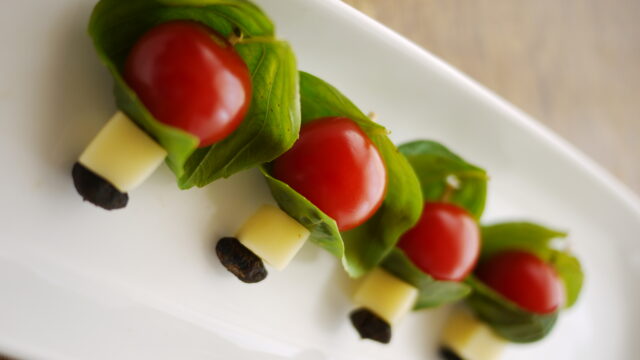
Discover why Hamanatto and aged cheese make such an interesting pairing, combining fermented soybean umami, saltiness, texture, and mature aromas.
Japanese Fermentation

07 Why Hamanatto Has Such Deep Umami :The Science Behind Its Flavor

Discover the science behind Hamanatto's deep umami, from soybean proteins and enzymes to fermentation, salt, drying, and long-term aging.