What Does Hamanatto Taste Like?
A Complete Tasting Guide
Hamanatto has a firm texture and concentrated savory flavor that develops slowly on the palate.
- What Does Hamanatto Actually Taste Like?
- The First Impression: Saltiness and Fermentation
- A Firm Texture That Changes the Tasting Experience
- What Does Hamanatto Smell Like?
- Does Hamanatto Taste Like Miso?
- Does Hamanatto Taste Like Ordinary Natto?
- The Umami Comes After the Saltiness
- How I Would Recommend Tasting Hamanatto for the First Time
- What Foods Make Hamanatto Taste Better?
- Why Hamanatto Can Surprise First-Time Tasters
- Chef’s Verdict
- Where to Try Authentic Hamanatto
- Explore More About Hamanatto
- Final Thoughts
- References
What Does Hamanatto Actually Taste Like?
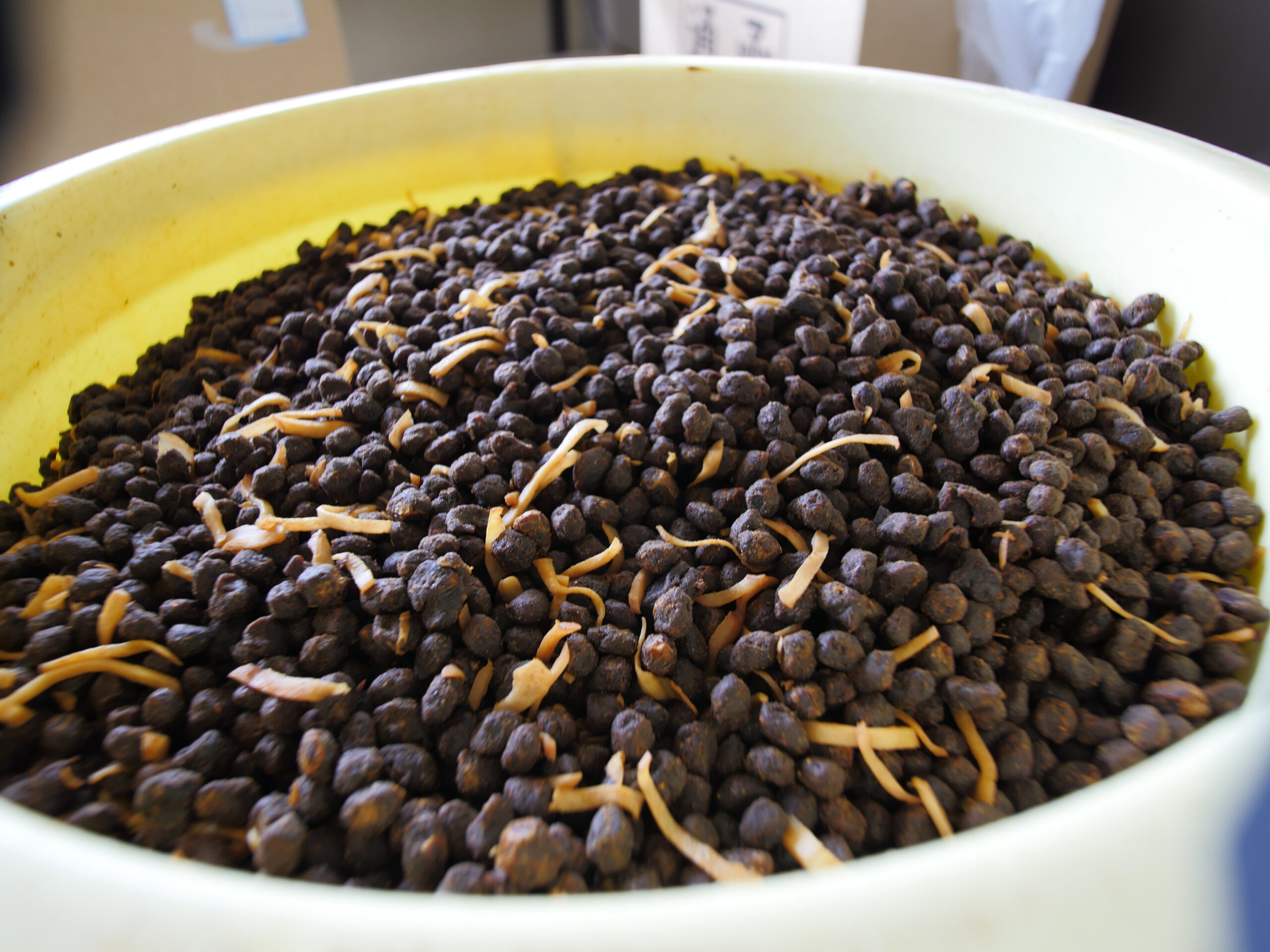
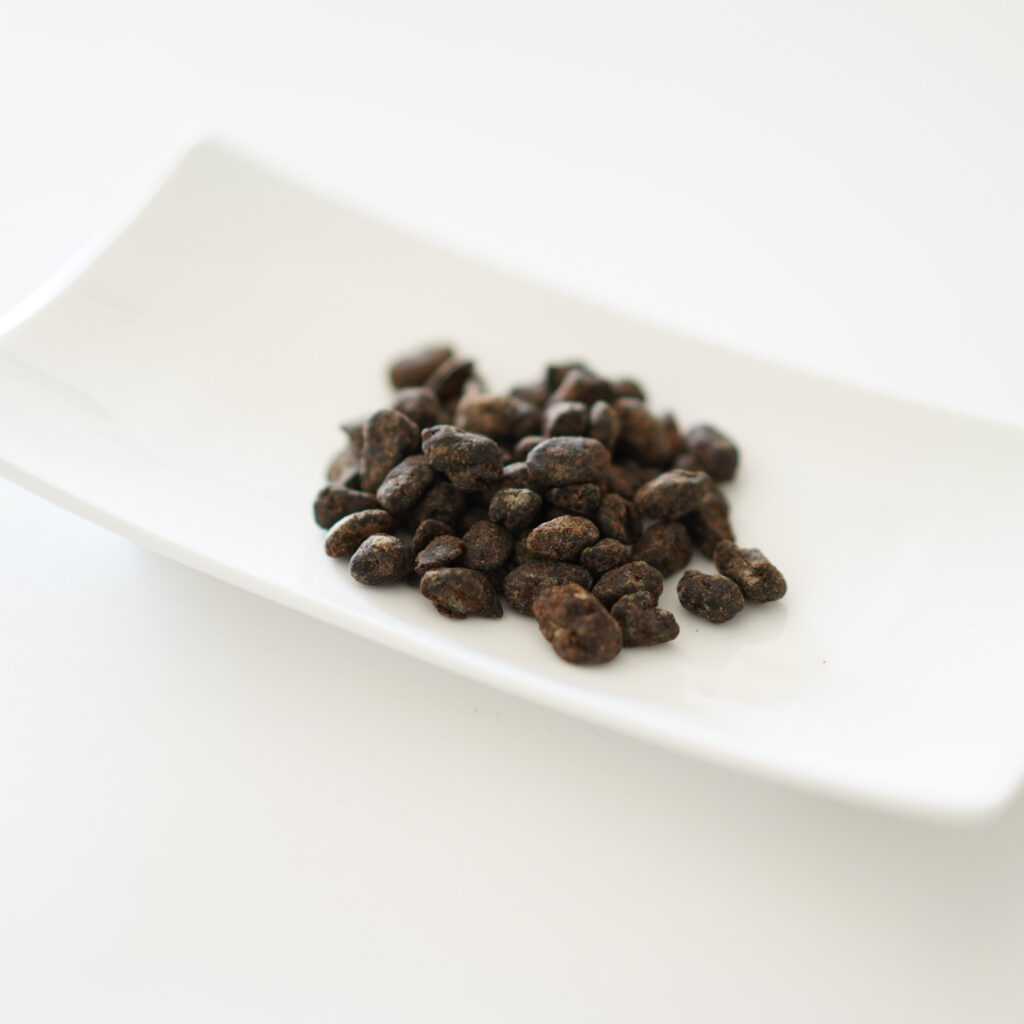
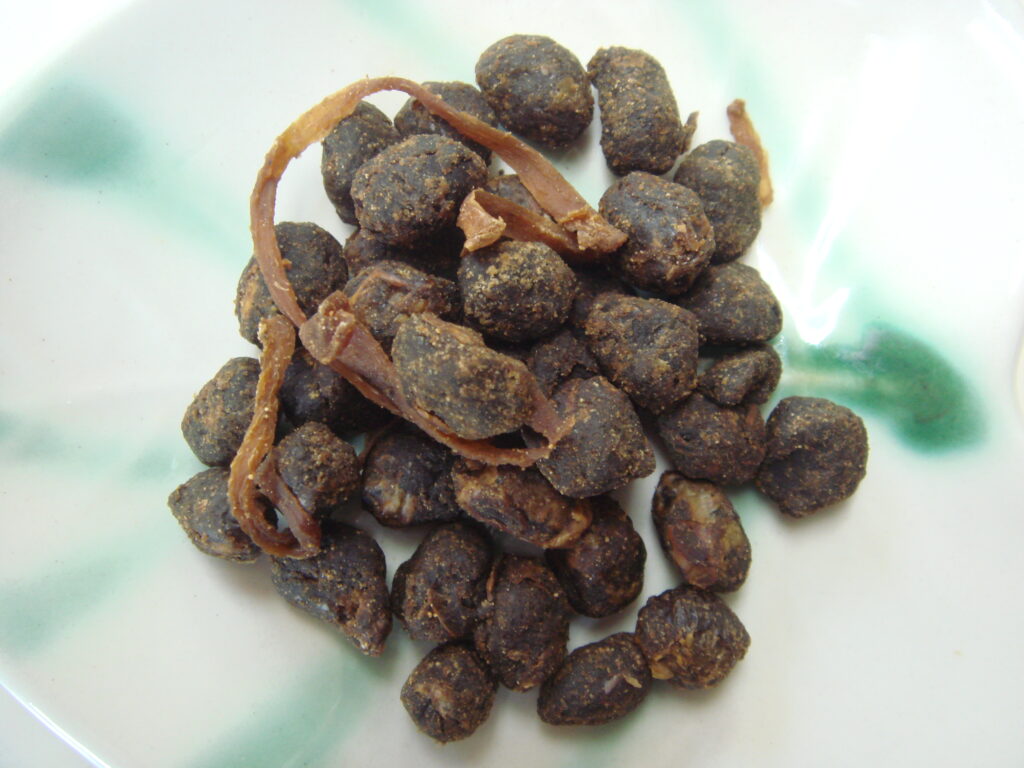
If you have never tasted Hamanatto, its appearance can make it difficult to imagine the flavor.
It is dark.
The beans are firm.
The surface is dry rather than sticky.
And it looks very different from the soft natto commonly served with rice in Japan.
But the flavor is even more distinctive than its appearance.
Hamanatto has a concentrated savory character with noticeable saltiness and deep fermented notes.
Depending on the product and how it is eaten, you may notice impressions reminiscent of:
- Miso
- Soy sauce
- Fermented black beans
- Aged cheese
- Roasted soybeans
- Dried mushrooms
These are comparisons rather than exact flavor equivalents.
Hamanatto does not taste exactly like any of them.
Its character comes from the combination of fermented soybeans, salt, aging, drying, and the resulting concentration of flavor.
The First Impression: Saltiness and Fermentation
The first thing many people notice is the saltiness.
Hamanatto is not designed to be eaten like a large serving of fresh soybeans.
A small amount can have a surprisingly strong effect on a dish.
After the initial saltiness, deeper fermented flavors begin to emerge.
This is where Hamanatto becomes more interesting.
Rather than tasting simply salty, it develops a layered savory character.
The experience can change as you continue chewing.
That progression is one reason I prefer tasting Hamanatto in small amounts.
A small bite gives you enough time to notice the transition from saltiness to fermentation and then to a lingering savory finish.
A Firm Texture That Changes the Tasting Experience
Texture is one of the easiest ways to distinguish Hamanatto from ordinary natto.
Ordinary natto is soft and famously sticky.
Hamanatto is firm.
The beans hold their shape, and you need to chew them rather than simply swallowing them.
That changes the way the flavor is experienced.
Instead of releasing everything immediately, the bean gradually breaks down in the mouth.
The flavor becomes more noticeable as chewing continues.
This is an important part of the Hamanatto experience.
It is not simply a different-looking natto.
It is a different eating experience.
What Does Hamanatto Smell Like?
The aroma is more difficult to describe than the appearance.
Someone expecting the strong ammonia-like aroma associated with ordinary natto may be surprised.
Hamanatto can have a more mature fermented aroma.
Depending on the product, you may notice notes that remind you of:
- Roasted soybeans
- Soy sauce
- Miso
- Toasted nuts
- Dried mushrooms
- Aged cheese
These comparisons are useful because they give first-time tasters a starting point.
But they should not be taken literally.
Hamanatto has its own aroma.
The combination of soybean, fermentation, salt, and aging creates something more concentrated and mature than the aroma of freshly fermented natto.
Does Hamanatto Taste Like Miso?
This is one of the most useful comparisons for someone trying Hamanatto for the first time.
There is certainly a resemblance.
Both foods are made from soybeans and develop strong savory flavors through fermentation.
But the texture and concentration are very different.
Miso is generally a paste.
Hamanatto remains in the form of whole fermented beans.
Miso can be dissolved into soups, sauces, or marinades.
Hamanatto can be chewed, chopped, crushed, or used as a concentrated seasoning.
So I would describe Hamanatto as miso-like in some flavor impressions, but not as a type of miso.
Does Hamanatto Taste Like Ordinary Natto?
The short answer is: not really.
The two foods share soybeans and fermentation, but the eating experience is very different.
| Ordinary Natto | Hamanatto | |
|---|---|---|
| Texture | Soft and sticky | Firm and dry |
| Flavor | Fresh fermented soybean | Concentrated fermented flavor |
| Aroma | Often strongly fermented | More mature and concentrated |
| Eating style | Usually eaten as a dish | Often used in small amounts |
| Culinary role | Food in its own right | Food and seasoning |
Someone who dislikes ordinary natto should not automatically assume that Hamanatto will taste the same.
The two products deserve to be judged separately.
The Umami Comes After the Saltiness
Hamanatto is interesting because saltiness is not necessarily the end of the experience.
As you chew, the fermented soybean character becomes more apparent.
The savory impression can remain after the bean has been swallowed.
This lingering quality is particularly useful when Hamanatto is used in cooking.
Instead of simply making a dish taste salty, a small quantity can contribute a deeper fermented character.
This is one reason I think Hamanatto is more useful to think of as a seasoning ingredient than simply another snack.
How I Would Recommend Tasting Hamanatto for the First Time
If you are tasting Hamanatto for the first time, I would not start by putting a large amount into a complicated dish.
Start small.
Step 1 — Smell it first
Notice the fermented soybean aroma before tasting.
Step 2 — Taste a very small piece
Let the initial saltiness develop.
Step 3 — Chew slowly
Pay attention to how the flavor changes as the bean breaks down.
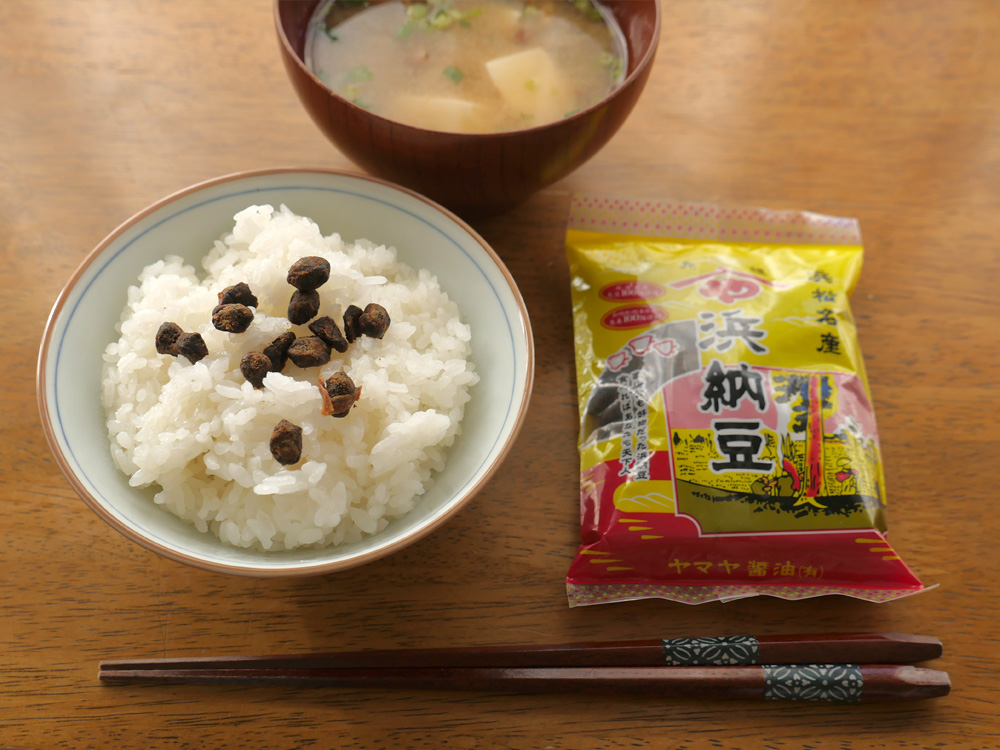
Step 4 — Taste it with plain rice
Rice provides a neutral background that makes the fermented flavor easier to understand.
Step 5 — Try it with tofu
The mildness of tofu makes the contrast particularly clear.
This simple tasting sequence can reveal much more than immediately mixing Hamanatto into a strongly flavored dish.
What Foods Make Hamanatto Taste Better?
Hamanatto works particularly well when paired with foods that provide a relatively neutral or complementary background.
Traditional combinations include:
- Steamed rice
- Rice porridge
- Chilled tofu
For modern cooking, I find it particularly interesting with:
- Mushrooms
- Roasted vegetables
- Grilled meat
- Pasta
- Cheese
- Tomato-based dishes
The goal is not to make the entire dish taste like Hamanatto.
The goal is to let a small amount provide depth.
Why Hamanatto Can Surprise First-Time Tasters
The biggest surprise may be the difference between appearance and flavor.
The beans look dry and intense.
But when tasted carefully, the experience is more nuanced.
There is saltiness.
Then fermentation.
Then savory depth.
And finally, a lingering finish.
That progression is difficult to understand from a photograph or ingredient list.
It is something that becomes clear only when you actually taste the food.
Chef’s Verdict
Hamanatto is not a food I would judge by the first second of tasting. It rewards attention.
For chefs, its most interesting characteristic is its concentration.
A small quantity can introduce fermented soybean depth without requiring a large amount of product.
I would approach it more like a concentrated seasoning than a conventional soybean dish.
The key is restraint.
Too much can dominate.
Used carefully, however, it can add another layer to sauces, vegetables, mushrooms, meat, noodles, and other savory dishes.
Where to Try Authentic Hamanatto
If you want to understand Hamanatto properly, I recommend tasting an authentic product before trying modern interpretations.
Start with a small amount.
Taste it on its own.
Then try it with rice or tofu.
Only after that should you experiment with cooking.
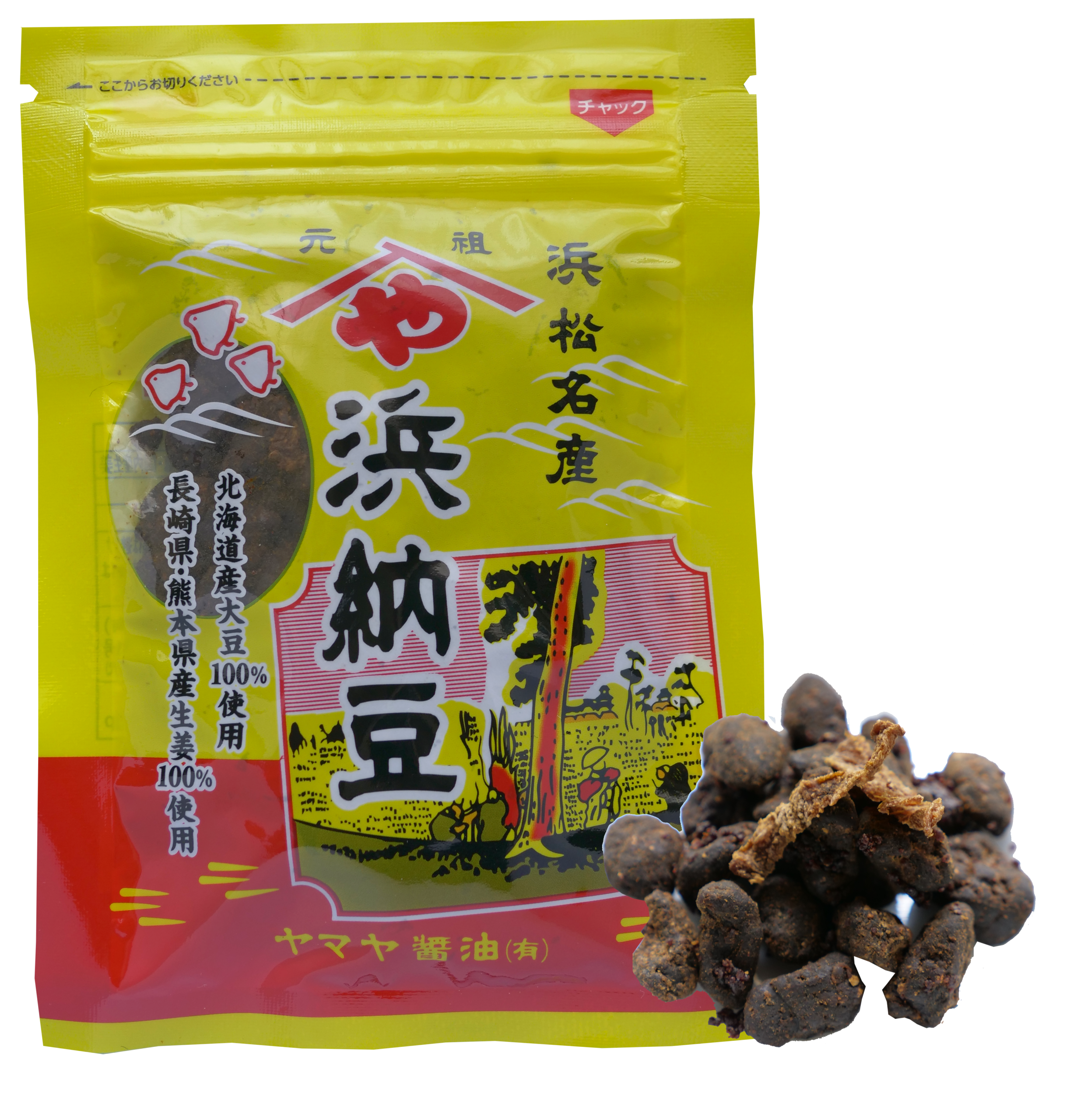
If you would like to taste authentic Hamanatto, you can explore the product available through UmamiSeeker.
[CTA BUTTON]
Discover Authentic Hamanatto
Explore More About Hamanatto
- The History of Hamanatto
Discover the regional history and traditions behind this unusual fermented soybean food. - How Hamanatto Is Made
Learn how fermentation, salting, and drying transform soybeans. - How to Use Hamanatto: Traditional and Modern Applications
Practical ideas for cooking with Hamanatto. - Why Fermentation Creates Umami
Explore the science behind fermented flavor. - The Science of Glutamic Acid
Understand one of the key compounds associated with umami perception.
Final Thoughts
Hamanatto is difficult to describe with one familiar flavor.
It has elements that may remind you of miso, soy sauce, fermented black beans, mushrooms, or aged foods.
But none of those comparisons completely defines it.
Its identity comes from the combination of:
soybeans + fermentation + salt + time + drying.
The result is a firm, concentrated fermented food with a flavor that develops gradually.
If ordinary natto feels too soft, sticky, or intense for you, Hamanatto may offer a very different experience.
And if you are a chef looking for concentrated fermented flavor, its most interesting quality may be its ability to contribute depth in surprisingly small amounts.
The best way to understand Hamanatto, however, is simple.
Taste it slowly.
References
For the general fermentation and umami information discussed in this article, consult authoritative food-science sources such as:
- Ajinomoto Group — Umami Information Center
- Journal of Agricultural and Food Chemistry
- Nature Reviews Food Science
Product-specific tasting descriptions in this article represent sensory observations rather than laboratory measurements.