The History of Hamanatto
From Temple Fermentation to Modern Japanese Cuisine
Hamanatto is a traditional fermented soybean food closely associated with the Hamamatsu region of Japan.
- A Fermented Food With Deep Roots in Japan
- Where Did Hamanatto Come From?
- Hamanatto and Buddhist Temple Food
- A Food Designed to Be Preserved
- The Connection With Tokugawa Ieyasu
- What Historical Records Tell Us
- The 1697 Food Encyclopedia, Honchō Shokkan
- Did Hamanatto Really Have a 1,500-Year History?
- From Temple Food to Regional Specialty
- Why Traditional Hamanatto Looks So Different From Natto
- How Hamanatto Fits Into Japanese Cuisine
- What Makes Hamanatto Historically Interesting Today?
- A Personal Perspective From Hamamatsu
- Chef’s Verdict
- Where to Explore Hamanatto
- Explore More About Hamanatto
- Final Thoughts
- References
A Fermented Food With Deep Roots in Japan
Some Japanese foods are famous around the world.
Miso, soy sauce, sake, and ordinary natto have become familiar names far beyond Japan.
Hamanatto is different.
This traditional fermented soybean food remains relatively unknown outside Japan, yet it has a long cultural history in the Hamamatsu region of Shizuoka Prefecture.
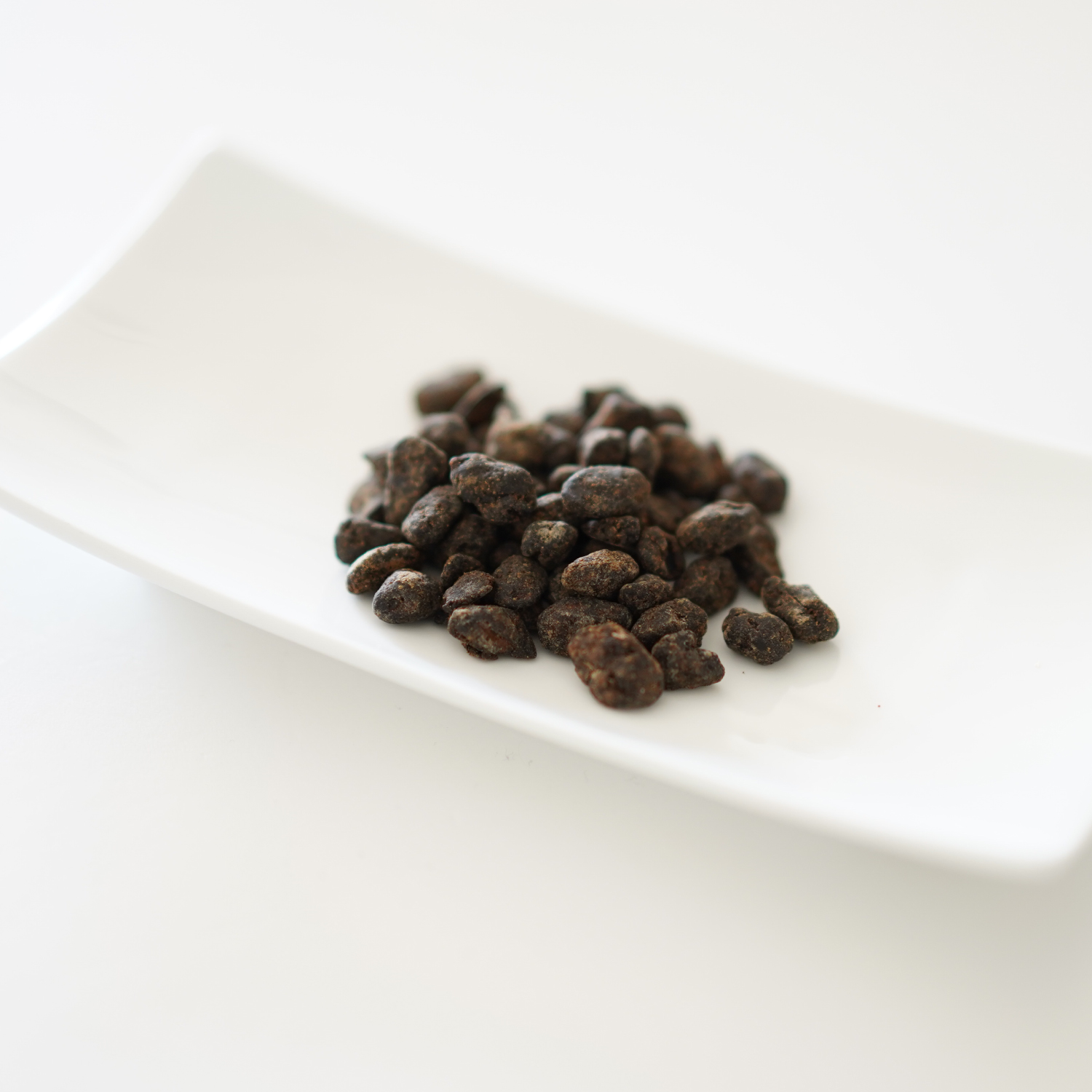
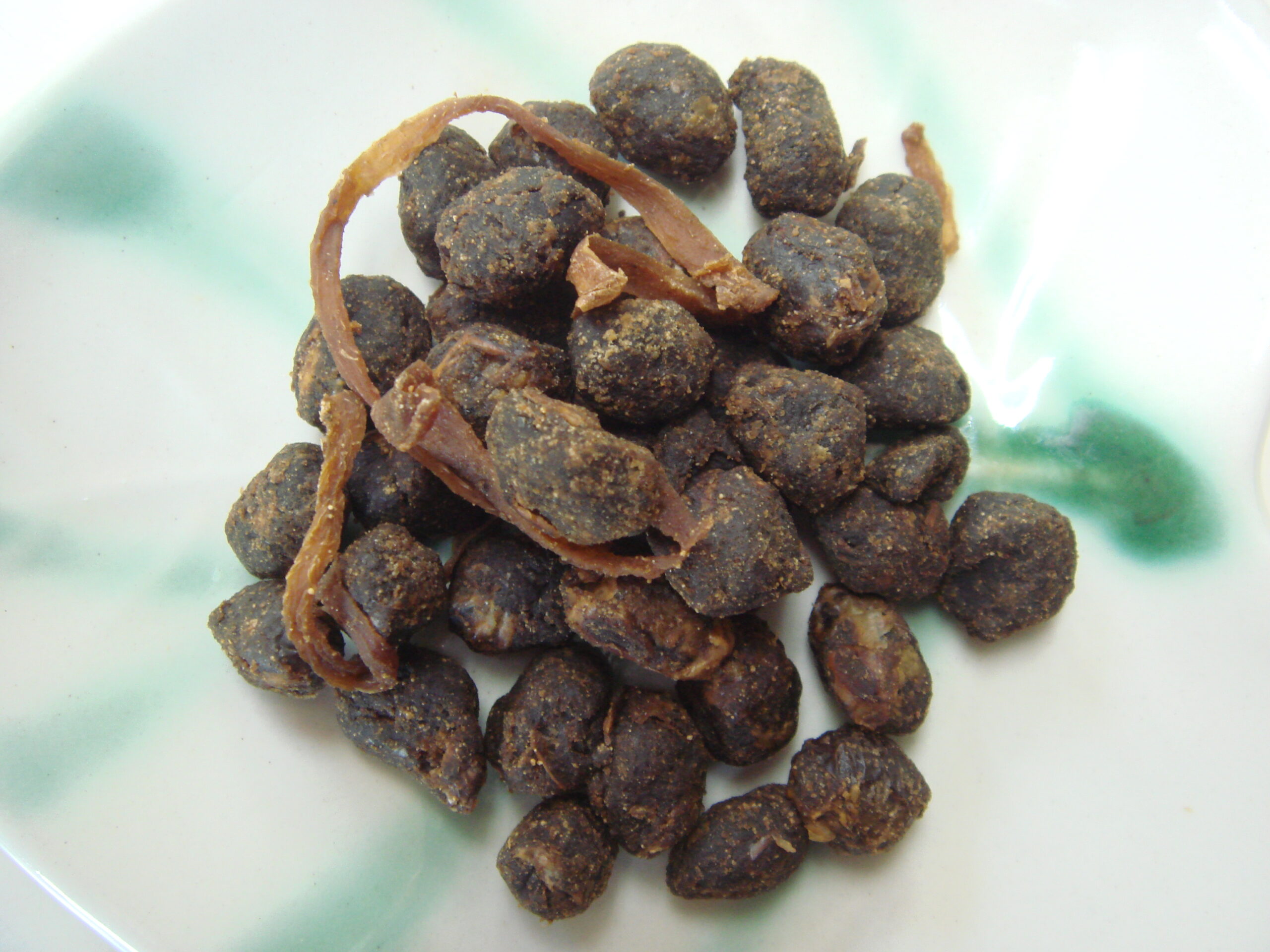
Unlike ordinary natto, Hamanatto is not sticky.
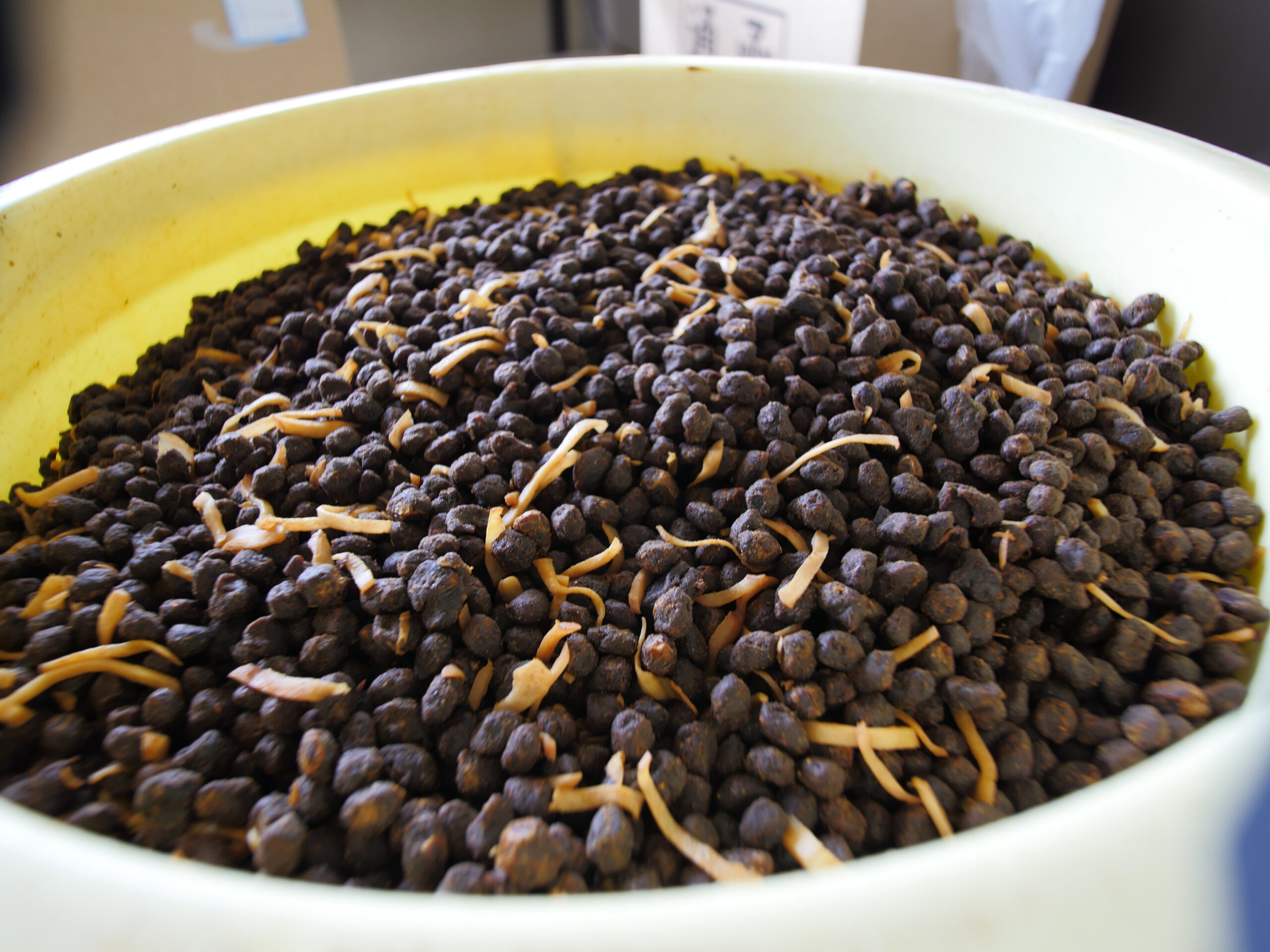
The beans are fermented, salted, and dried until they become firm and dark, creating a concentrated seasoning with a deep savory character.
Its history is closely connected with Buddhist temple food, local traditions, and the culinary culture of the former Enshu region.
But when discussing the history of Hamanatto, one distinction is important.
Some parts of its history are supported by historical records, while others survive as temple traditions and local stories.
Understanding that distinction makes the story more interesting—not less.
Where Did Hamanatto Come From?
The precise origin of Hamanatto is difficult to establish with complete certainty.
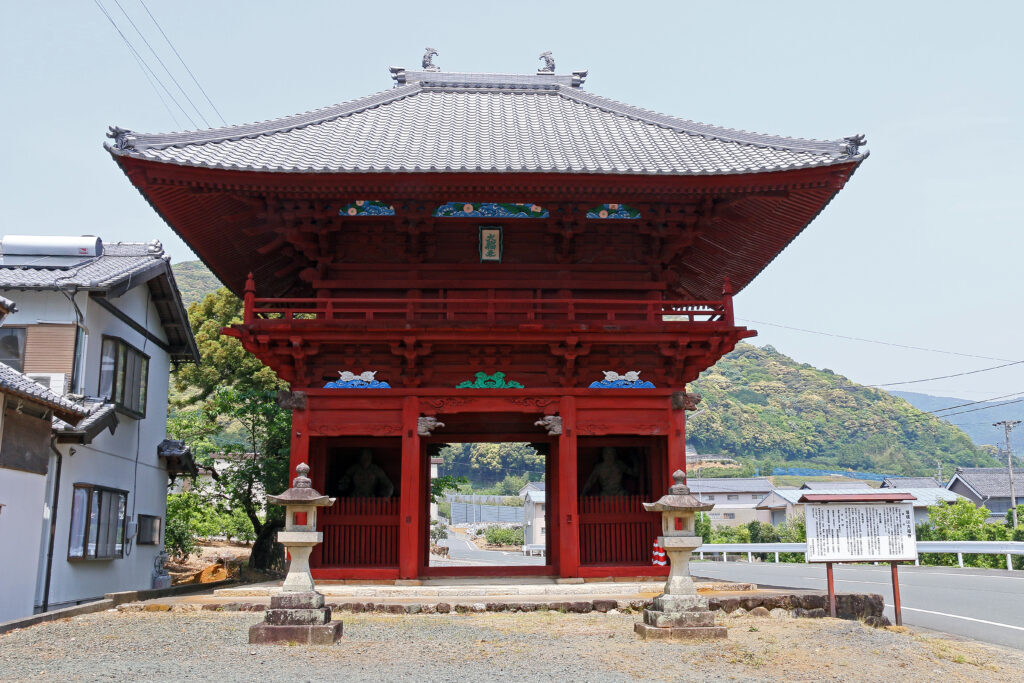
Today, Hamamatsu City identifies Daifukuji Nattō (Daifukuji Natto) at Daifukuji Temple in the Mikkabi area as being regarded as the origin of Hamanatto.
The temple has preserved its traditional production method, and the food remains closely associated with the local history of the region.
Daifukuji Natto is very different from the soft, sticky natto commonly eaten for breakfast in Japan.
It is described as a dry, non-sticky fermented soybean food with a miso-like color and character.
This difference is important.
Hamanatto belongs to a broader family of traditional fermented soybean foods, but its production developed into a distinctly local food culture in the Hamamatsu region.
Hamanatto and Buddhist Temple Food
One reason Hamanatto developed in this region may be connected to the long culinary traditions of Buddhist temples.
Japanese temple cuisine historically placed great importance on preserving ingredients, developing flavor without relying heavily on meat, and making careful use of plant-based foods.
Fermentation was particularly valuable.
Soybeans could be transformed into foods with stronger flavors, longer keeping qualities, and different textures.
This created an ideal environment for fermented soybean foods to become part of regional food culture.
Daifukuji Temple preserved a distinctive fermentation method that was passed down through generations.
According to a historical document published by Hamamatsu City, the traditional method included cooking soybeans, coating them with roasted and finely processed barley, allowing microorganisms to develop, soaking the beans in salt water for several months, and finally drying them in the sun.
The process illustrates an important principle of traditional fermentation:
time itself becomes an ingredient.
A Food Designed to Be Preserved
Traditional Hamanatto is not simply fermented for flavor.
Its production also reflects an older Japanese approach to food preservation.
Soybeans are transformed through fermentation, salt, and drying.
The result is dramatically different from freshly cooked soybeans.
The beans become:
- Firm
- Dry
- Dark in color
- Highly savory
- Concentrated in flavor
- Suitable for use in small quantities
This makes Hamanatto closer to a traditional seasoning than a simple side dish.
A small amount can be used to add depth to rice, porridge, tofu, sauces, meat dishes, noodles, and other foods.
This concentrated character is one reason Hamanatto remains relevant to modern cooking.
The Connection With Tokugawa Ieyasu
One of the best-known stories surrounding Hamanatto involves Tokugawa Ieyasu.
According to the tradition recorded by Hamamatsu City, Daifukuji’s fermented soybean food was presented to Ieyasu after he entered the former Tōtomi region.
The story says that when a delivery was delayed, Ieyasu asked impatiently about the arrival of the local natto.
This tradition is associated with the later name Hamanatto or Hamana Natto.
However, it is important to describe this as a tradition, rather than presenting every detail as independently proven historical fact.
Hamamatsu City’s historical materials explicitly identify the Ieyasu story as a temple tradition.
That distinction matters when discussing historical food.
Stories passed down through generations are part of a food’s cultural history, even when historians cannot verify every detail of the story.

What Historical Records Tell Us
The history becomes particularly interesting when we move from oral tradition to surviving written records.
Hamamatsu City’s historical materials mention a surviving letter associated with a gift of Daifukuji Natto to Tokugawa Hidetada.
They also cite Uchiyama Masatatsu’s Tōtōmi no Kuni Fudoki-den, published in 1799, which records Daifukuji as offering its fermented soybean food and referring to it as karanattō.
These references show that fermented soybean foods associated with Daifukuji were not simply modern inventions.
They were part of the documented food culture of the region by the Edo period.
The 1697 Food Encyclopedia, Honchō Shokkan
Another important piece of historical context is Honchō Shokkan, a major Japanese food encyclopedia compiled by Hitomi Hitsudai and published in 1697.
The National Diet Library records the work as a 12-volume publication from Genroku 10, or 1697.
The book is valuable because it demonstrates how seriously food, ingredients, preparation, and culinary knowledge were documented in early modern Japan.
When researching traditional Japanese fermented foods, sources such as Honchō Shokkan provide an important window into the food culture of the Edo period.
However, historical references should not automatically be interpreted as proof of every modern claim about Hamanatto.
A careful food history distinguishes between:
what a historical source actually records,
and
what later traditions say about that food.
That approach gives us a more reliable understanding of Hamanatto.
Did Hamanatto Really Have a 1,500-Year History?
The phrase “1,500-year history” is sometimes used when describing traditional fermented soybean foods in Japan.
It is an attractive description because fermented soybean foods have extremely deep roots in East Asian food culture.
But there is an important problem.
There is not enough evidence to confidently state that the specific Hamanatto sold today can be continuously traced back 1,500 years.
The surviving evidence discussed by Hamamatsu City provides a much stronger basis for describing the food’s documented regional history from the early modern period onward.
For this reason, I prefer a more careful description:
Hamanatto is a traditional fermented soybean food with deep roots in Japanese and East Asian fermentation culture and a particularly strong documented and traditional connection to the Hamamatsu region.
That may sound less dramatic than “1,500 years.”
But it is more honest.
And for a food worth discovering, accuracy is more valuable than exaggeration.
From Temple Food to Regional Specialty
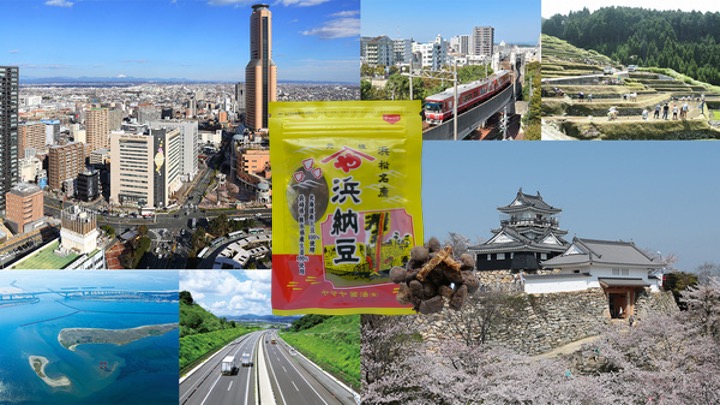
Over time, Hamanatto became more than a temple food.
It became part of the culinary identity of the Enshu region and Hamamatsu.
The traditional Daifukuji version continues to be made using a method passed down through the temple family, while similar fermented soybean products are also produced and sold in the wider Enshu region.
This regional identity is one of the most interesting things about Hamanatto.
Japan has many famous fermented foods.
But fermentation traditions often become deeply local.
A recipe may be influenced by:
- Local climate
- Available ingredients
- Water
- Salt
- Microorganisms
- Storage conditions
- Religious traditions
- Local cooking habits
The result is that two fermented soybean foods can share a basic ingredient while developing completely different identities.
Hamanatto is a good example.
Why Traditional Hamanatto Looks So Different From Natto
If you have only encountered ordinary natto, Hamanatto may look surprising.
There is no familiar web of sticky strings.
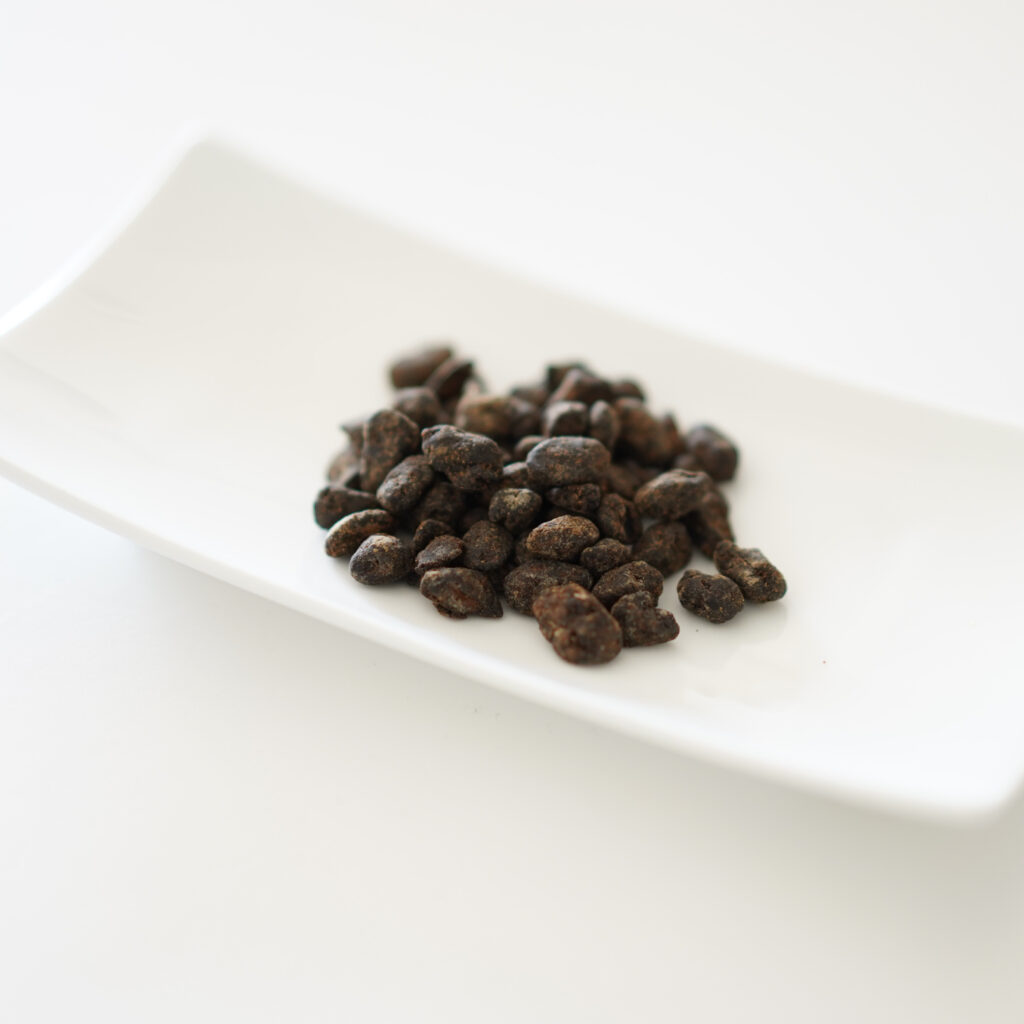
Instead, the beans are firm and dry.
The surface can appear dark, irregular, and almost aged.
This is not a defect.
It reflects a completely different culinary purpose.
Ordinary natto is generally eaten as a fresh fermented soybean food.
Hamanatto is fermented, salted, and dried into a concentrated food that can function as a seasoning.
The difference is similar to the difference between fresh grapes and raisins.
They begin with the same basic ingredient, but time and processing create an entirely different culinary experience.
How Hamanatto Fits Into Japanese Cuisine
Traditional Hamanatto can be eaten with simple foods such as rice and porridge.
It can also be incorporated into dishes where a small amount of concentrated savory flavor is useful.
Some traditional and modern applications include:
- Steamed rice
- Rice porridge
- Chilled tofu
- Curry
- Meat sauces
- Pasta
- Vegetable dishes
- Sauces and dressings
For chefs, this is perhaps the most interesting aspect of Hamanatto.
It does not necessarily need to dominate a dish.
Instead, it can work in the background.
A small amount can contribute saltiness, fermented depth, and savory character.
That makes it potentially useful as a flavor-building ingredient rather than simply a traditional Japanese food to be served on its own.
What Makes Hamanatto Historically Interesting Today?
Traditional foods sometimes survive because they remain unchanged.
Others survive because chefs discover new ways to use them.
Hamanatto has the potential to do both.
Its traditional identity is important.
The connection to Hamamatsu, Daifukuji, temple food, fermentation, and regional culinary culture gives the ingredient a story that cannot be reproduced by a newly invented product.
At the same time, its concentrated flavor makes it interesting for contemporary cooking.
This combination is unusual.
Hamanatto is both a piece of food history and a practical ingredient.
That is what makes it worth looking beyond its unfamiliar appearance.
A Personal Perspective From Hamamatsu
Living in Japan makes it easy to overlook foods that are deeply familiar to a particular region.
Hamanatto is one of those foods.
Outside the region, relatively few people know what it is.
Even within Japan, many people are more familiar with ordinary natto, miso, or soy sauce.
Yet when you actually taste Hamanatto, its character is difficult to confuse with those foods.
The beans are firm.
The aroma is mature.
The flavor is concentrated.
And the finish can linger long after the first bite.
For me, that is part of what makes Hamanatto worth introducing to people outside Japan.
It does not need to become another version of miso or natto.
It has its own identity.
Chef’s Verdict
Hamanatto is most interesting when treated as a seasoning, not simply as another fermented soybean food.
For a professional kitchen, its greatest potential lies in concentration.
Instead of using large quantities, a chef can experiment with small amounts to introduce fermented depth to a dish.
It can be especially interesting alongside ingredients that already contain strong savory or roasted notes.
Think:
- Mushrooms
- Grilled vegetables
- Aged cheese
- Soy sauce
- Kombu
- Meat
- Rich sauces
The key is restraint.
Hamanatto has enough character that it does not need to announce itself.
Used carefully, it can become the ingredient that makes a sauce taste more complete without making the diner immediately identify why.
Where to Explore Hamanatto
If you want to experience Hamanatto for yourself, the best starting point is an authentic product from the Hamamatsu region.
Rather than judging it by its appearance, taste a small amount on its own first.
Then try it with something neutral, such as steamed rice or tofu.
Finally, experiment with it as a seasoning.
This progression makes it easier to understand why a small, dry fermented soybean can have such a surprisingly deep flavor.
If you would like to try authentic Hamanatto, you can explore the product available through UmamiSeeker’s shop.
[CTA BUTTON]
Discover Authentic Hamanatto
Explore More About Hamanatto
If the history of Hamanatto has made you curious, the next step is to understand how the food itself is made and why fermentation changes its flavor.
Related Articles
- What Is Hamanatto?
A practical introduction to this unusual Japanese fermented soybean food. - How Hamanatto Is Made
A closer look at the traditional fermentation and drying process. - What Does Hamanatto Taste Like?
A detailed guide to its aroma, texture, saltiness, and umami. - Why Fermentation Creates Umami
The science behind how fermentation transforms food. - The Science of Glutamic Acid
How glutamate contributes to the perception of umami.
Final Thoughts
Hamanatto does not have the international fame of miso, soy sauce, or ordinary natto.
That may be exactly what makes it interesting.
Its story is rooted in regional Japanese food culture, traditional fermentation, Buddhist temple traditions, and the culinary history of Hamamatsu.
Some parts of that story are preserved in written records.
Others survive through local and temple traditions.
Rather than turning those traditions into exaggerated claims, it is more meaningful to look carefully at what can actually be documented.
What remains is already fascinating.
A small soybean can pass through fermentation, salting, drying, and time to become something entirely different from the ingredient it started as.
That transformation is the essence of Hamanatto.
And perhaps the best way to understand its history is not simply to read about it.
It is to taste it.
References
The following sources were used for the historical information in this article.
- Hamamatsu City — Historical and Cultural Landscape of Oku-Hamanako
Information on Daifukuji Natto, its traditional production method, local history, and its relationship with Hamanatto. - Hamamatsu City Museum — Ieyasu Traditions
Documentation of the Daifukuji Natto tradition associated with Tokugawa Ieyasu. - National Diet Library — Honchō Shokkan
Bibliographic information for the 1697 food encyclopedia by Hitomi Hitsudai.