
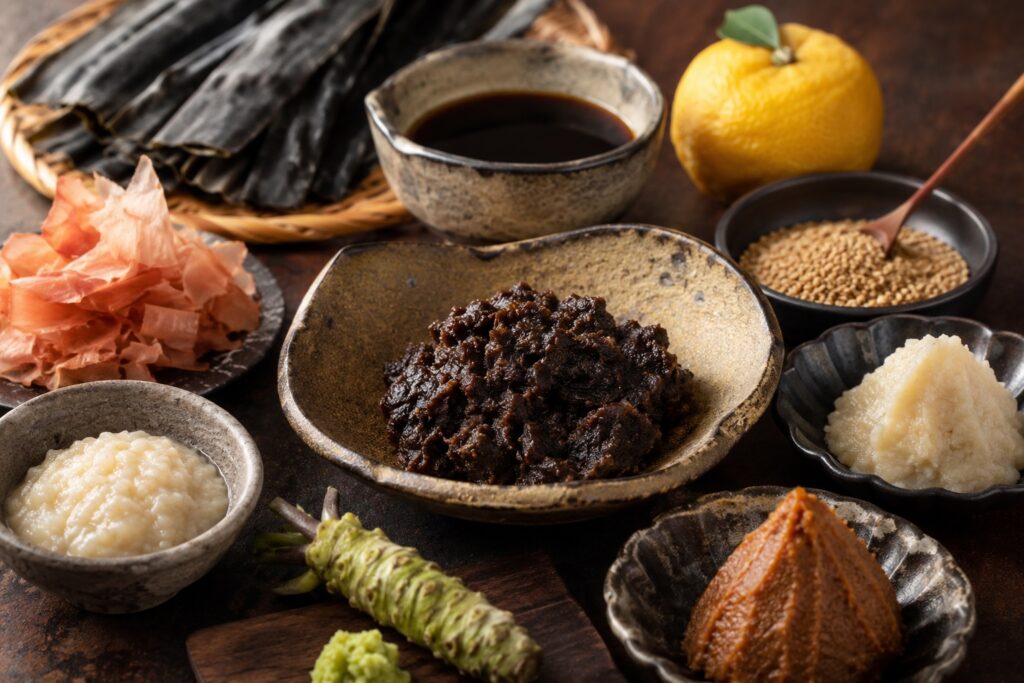
Japanese Ingredients Every Chef Should Know
Japan’s finest ingredients demonstrate how simplicity, craftsmanship, and time create extraordinary flavor.
Introduction
The world’s greatest chefs never build memorable dishes by chance.
They begin with exceptional ingredients.
Every culinary tradition has its own foundation.
France relies on butter, cream, and wine.
Italy celebrates olive oil, tomatoes, and Parmigiano Reggiano.
Japan has developed an equally remarkable collection of ingredients that quietly shape some of the world’s most refined cuisine.
Many people recognize soy sauce or miso.
Far fewer know about ingredients such as authentic Hamanatto, premium kombu, or shio koji.
Yet these traditional foods are increasingly appearing in Michelin-starred kitchens around the world.
Why?
Because they solve one of the greatest challenges in cooking.
They create extraordinary depth while preserving balance.
Rather than overwhelming a dish, they allow every ingredient to express its best qualities.
This guide introduces ten Japanese ingredients that every serious chef—and every passionate food lover—should understand.
Whether you cook professionally or simply enjoy discovering remarkable ingredients, these products reveal why Japanese cuisine continues inspiring restaurants across the globe.
- Why Japanese Ingredients Have Become Globally Influential
- Great Ingredients Create Better Cooking
- Tradition Meets Modern Fine Dining
- What You’ll Discover Next
- Building a Japanese Pantry
- Why Every Chef Should Understand These Ingredients
- Why Authentic Hamanatto Deserves a Place in Every Professional Kitchen
- Final Thoughts
- Chef’s Verdict
- Chef’s Insight
- Related Articles
- Discover Authentic Hamanatto
Why Japanese Ingredients Have Become Globally Influential
Over the past two decades, Japanese ingredients have expanded far beyond traditional Japanese restaurants.
Fine dining chefs now incorporate them into French sauces, Italian pasta, Scandinavian seafood, and modern tasting menus.
This influence is not driven by novelty alone.
Japanese ingredients consistently deliver three qualities that chefs value most:
- Natural umami
- Exceptional craftsmanship
- Remarkable versatility
Many require months—or even years—of careful fermentation or aging.
Others are harvested according to highly specific seasonal traditions.
Together they represent centuries of accumulated culinary knowledge.
Instead of replacing local ingredients, Japanese products often enhance them.
That flexibility explains why their popularity continues growing worldwide.
Great Ingredients Create Better Cooking
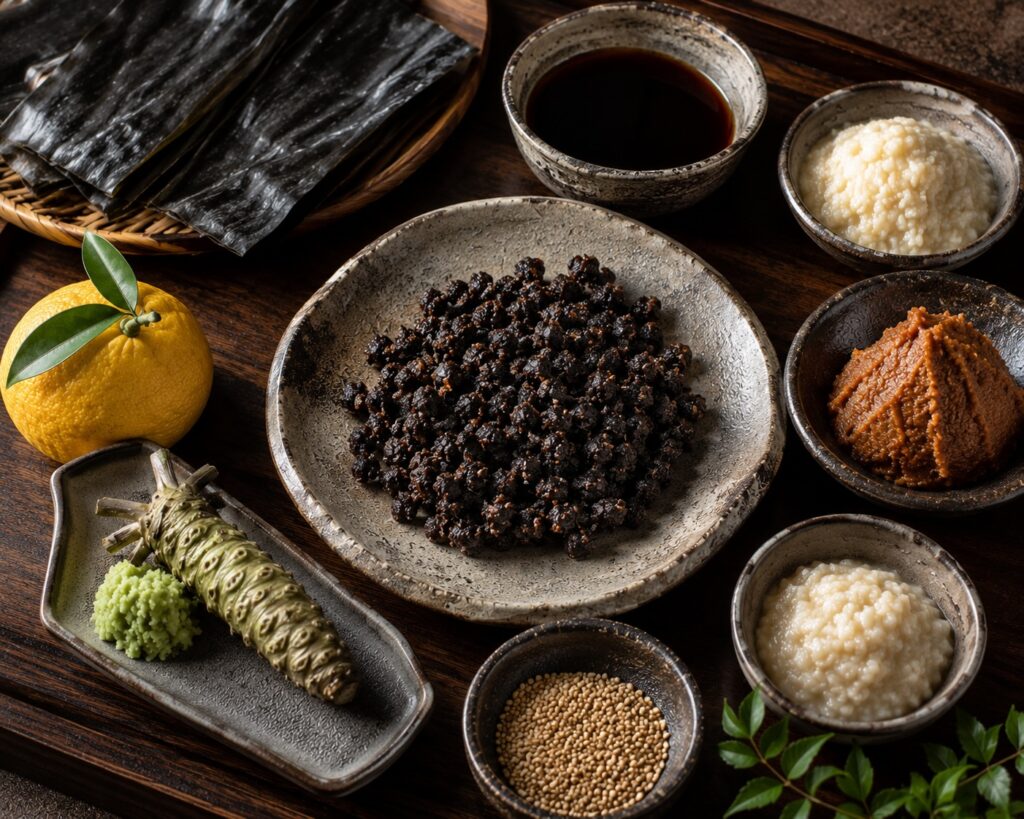
Professional chefs rarely depend on complicated recipes.
Instead, they rely on ingredients capable of producing extraordinary flavor with minimal intervention.
Japanese ingredients encourage this approach.
Naturally brewed soy sauce adds balance rather than simple saltiness.
Kombu builds quiet depth.
Fresh wasabi contributes elegant freshness.
Authentic Hamanatto delivers concentrated umami while preserving its remarkable texture.
Each ingredient performs a distinct role.
Understanding those roles is often more valuable than memorizing recipes.
When great ingredients meet thoughtful technique, exceptional cooking follows naturally.
Tradition Meets Modern Fine Dining
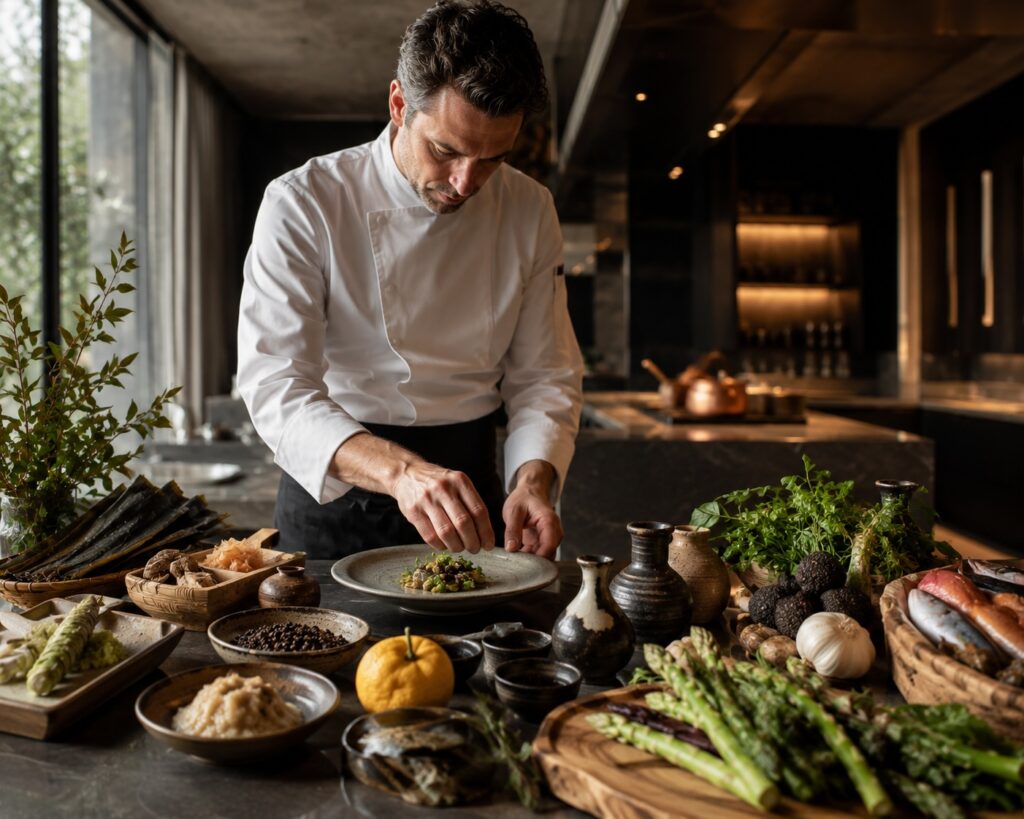
One reason Japanese ingredients continue attracting international attention is their remarkable adaptability.
Traditional techniques remain unchanged.
Applications continue evolving.
Authentic Hamanatto may appear beside handmade pasta.
Miso enriches beurre blanc.
Yuzu brightens desserts.
Shio koji tenderizes premium beef.
This ability to cross culinary boundaries makes Japanese ingredients especially valuable in modern kitchens.
They preserve their identity while encouraging creativity.
That combination of authenticity and innovation is increasingly rare.
What You’ll Discover Next
In the following sections, we’ll introduce ten Japanese ingredients that every chef should understand.
You’ll learn what makes each ingredient unique, how professional chefs use them, and why authentic Hamanatto deserves recognition alongside Japan’s most respected culinary treasures.
These ingredients do more than improve recipes.
They change the way chefs think about flavor itself.
Chef’s Verdict
“Great cooking begins long before the first ingredient reaches the pan. It begins by choosing ingredients with character, craftsmanship, and authenticity. Japanese cuisine offers some of the finest examples in the world.”
Chef’s Insight
The world’s best chefs collect ingredients—not trends.
Exceptional ingredients remain valuable for decades because they solve timeless culinary problems.
Japanese ingredients have earned global respect for exactly that reason.
1. Authentic Hamanatto
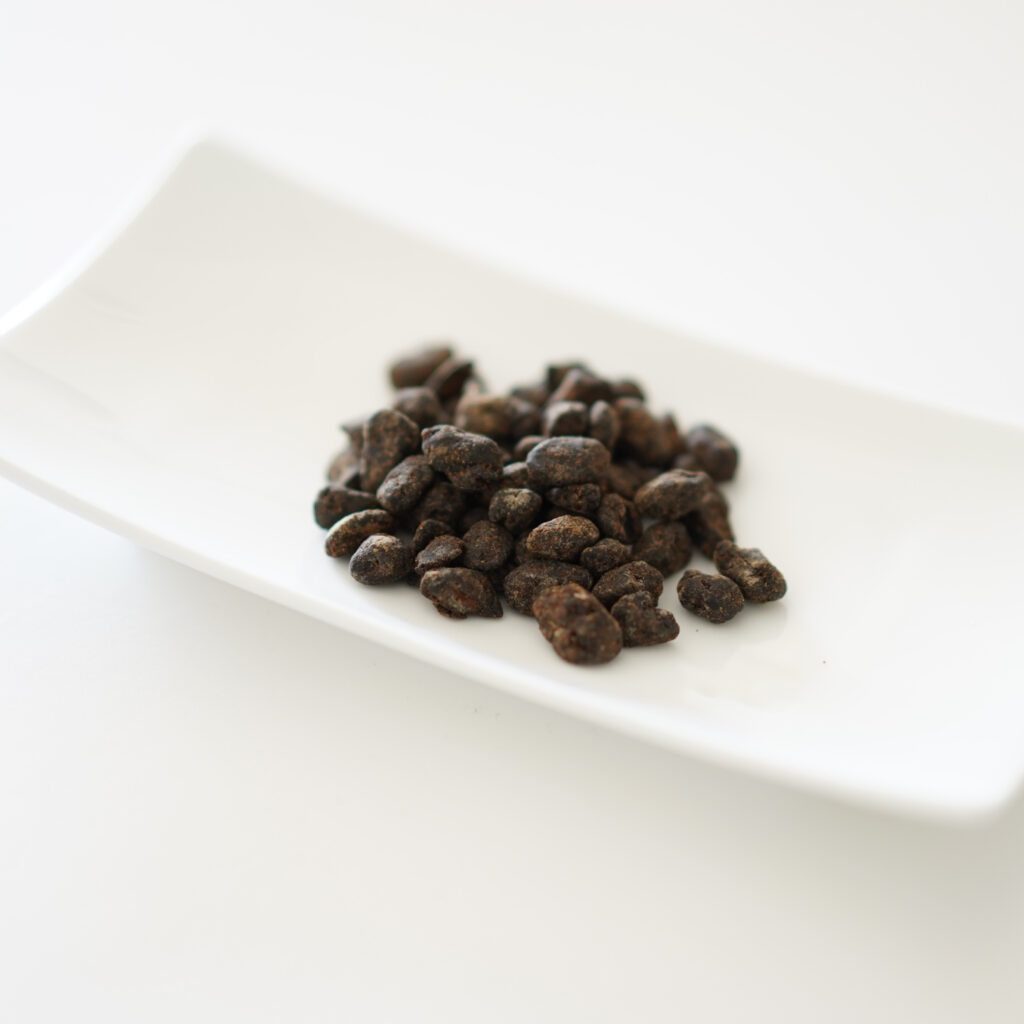
Among Japan’s traditional ingredients, authentic Hamanatto is one of the most overlooked—and one of the most rewarding.
Unlike ordinary natto, Hamanatto is fermented with koji mold and then naturally aged for nearly twelve months.
During this long maturation, proteins gradually break down into amino acids, producing an exceptionally concentrated source of natural umami.
At the same time, each soybean retains its shape, creating a pleasantly firm texture that releases flavor slowly as it is chewed.
This combination of intense umami and distinctive texture makes Hamanatto unlike any other Japanese ingredient.
Professional chefs rarely use it in large quantities.
Instead, they finely chop a few beans into butter, vinaigrettes, pasta, risotto, seafood, roasted vegetables, or grilled meats.
Rather than dominating a dish, Hamanatto quietly deepens every surrounding flavor.
Its rarity, remarkable aging process, and versatility make it one of Japan’s most exciting hidden culinary treasures.
2. Kombu
Kombu forms the foundation of Japanese flavor.
Harvested primarily from the cold waters surrounding Hokkaido, premium kombu naturally contains exceptionally high levels of glutamates.
These compounds create deep umami without introducing an obvious flavor of their own.
Instead, kombu enhances the ingredients around it.
Its greatest contribution is dashi, the stock that supports countless Japanese dishes.
Modern chefs increasingly infuse kombu into sauces, oils, butter, and vegetable broths because it creates remarkable depth while preserving elegance.
Its quiet influence explains why kombu remains indispensable in both traditional and contemporary cuisine.
3. Naturally Brewed Soy Sauce
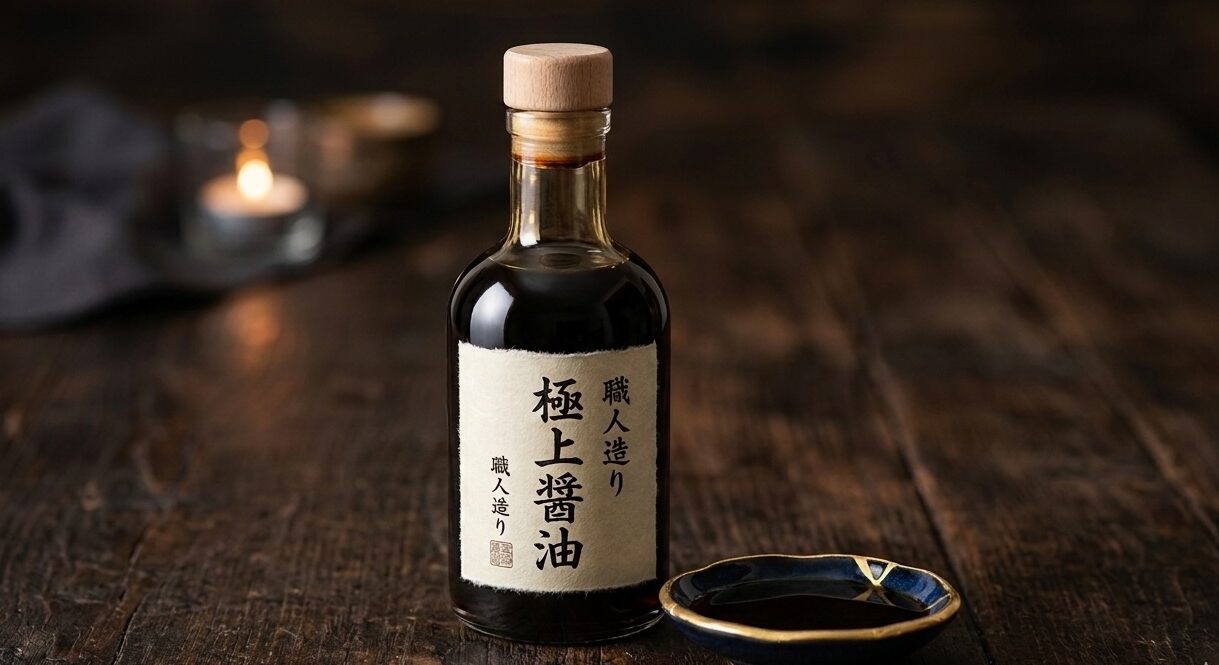
Soy sauce is perhaps Japan’s most recognizable ingredient, yet premium naturally brewed versions offer far greater complexity than many people expect.
Traditional fermentation lasting many months develops hundreds of aromatic compounds.
The result is seasoning that balances saltiness with sweetness, roasted notes, gentle acidity, and profound umami.
Rather than functioning simply as a condiment, artisan soy sauce behaves like a finishing ingredient.
A few drops added at the end of cooking often contribute greater depth than large amounts added during preparation.
This subtlety explains why naturally brewed soy sauce has become an essential ingredient in professional kitchens worldwide.
4. Miso
Miso demonstrates the extraordinary versatility of Japanese fermentation.
Produced from soybeans, koji, and salt, it develops a remarkable range of flavors depending on regional traditions and aging time.
White miso contributes delicate sweetness.
Red miso offers deeper earthy richness.
Long-aged varieties develop increasingly complex savory notes.
Today, miso extends far beyond soup.
Professional chefs enrich beurre blanc, caramel, vinaigrettes, ice cream, roasted vegetables, seafood, and meat with carefully selected miso varieties.
Its ability to add body and naturally developed umami makes it one of Japan’s most adaptable ingredients.
5. Shio Koji
Shio koji has become one of Japan’s fastest-growing culinary exports.
Made from rice koji, salt, and water, it functions simultaneously as a seasoning and a natural tenderizer.
Its enzymes gently break down proteins, improving both tenderness and flavor.
Unlike marinades that rely on sugar or heavy spices, shio koji allows ingredients to retain their natural identity while becoming noticeably more flavorful.
Professional chefs frequently use it on seafood, poultry, pork, beef, and vegetables before grilling or roasting.
The result is food that remains juicy while developing richer natural umami.
Its simplicity perfectly reflects Japanese culinary philosophy.
Building a Japanese Pantry
These five ingredients illustrate an important principle.
Japanese cooking is not built around one magical seasoning.
Instead, every ingredient contributes a different layer of flavor.
Hamanatto provides concentrated fermented umami.
Kombu creates foundational depth.
Soy sauce balances sweetness and saltiness.
Miso enriches texture and body.
Shio koji tenderizes while enhancing natural flavor.
Understanding the role of each ingredient allows chefs to build dishes with greater precision instead of relying on stronger seasoning.
That philosophy has shaped Japanese cuisine for centuries—and continues inspiring professional kitchens today.
Chef’s Verdict
“The greatest ingredients are not interchangeable. Each performs a unique role in creating balance. Authentic Hamanatto, kombu, soy sauce, miso, and shio koji together represent the essential vocabulary of Japanese flavor.”
Chef’s Insight
Many professional chefs improve their cooking not by learning more recipes, but by understanding ingredients more deeply.
Master these five Japanese ingredients, and you’ll begin seeing flavor the way great chefs do.
6. Yuzu
Yuzu is one of Japan’s most prized citrus fruits and a favorite among professional chefs.
Its aroma combines elements of lemon, grapefruit, mandarin, and delicate floral notes that are impossible to reproduce with ordinary citrus.
Unlike many acidic ingredients, yuzu rarely dominates a dish.
Instead, it brightens flavors while preserving balance.
Chefs use fresh yuzu juice and finely grated zest in seafood, sauces, desserts, cocktails, vinaigrettes, and even chocolate.
Because fresh yuzu is harvested only during a limited season and requires specialized cultivation, it remains one of Japan’s premium culinary ingredients.
Its remarkable fragrance demonstrates how aroma can become just as important as taste.
7. Fresh Wasabi
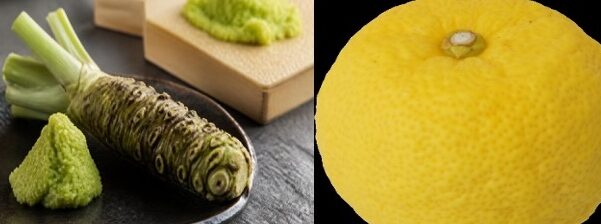
Authentic Japanese wasabi bears little resemblance to the bright green paste commonly served outside Japan.
Grown in cold mountain spring water under highly controlled conditions, genuine wasabi develops subtle sweetness, herbal freshness, and clean heat that disappears quickly.
Rather than masking delicate ingredients, fresh wasabi sharpens their natural flavor.
Professional chefs pair it not only with sushi and sashimi, but also with wagyu beef, scallops, oysters, roasted vegetables, and artisan cheeses.
Its elegance perfectly reflects the Japanese philosophy that seasoning should support—not overpower—a dish.
8. Katsuobushi
Katsuobushi is one of Japan’s greatest examples of craftsmanship.
Bonito is repeatedly smoked, fermented, dried, and matured until it becomes one of the hardest foods in the world.
Freshly shaved flakes release aromas that immediately enrich soups, sauces, vegetables, seafood, and grilled meats.
More importantly, katsuobushi supplies inosinate, one of the natural compounds responsible for umami.
When paired with kombu, its inosinate combines with glutamates to produce the famous phenomenon known as umami synergy.
This interaction forms the backbone of traditional Japanese dashi and continues inspiring chefs across every major culinary tradition.
9. Sansho Pepper
Sansho introduces a completely different dimension to Japanese cuisine.
Instead of producing lingering heat like chili peppers, it delivers fresh citrus aromas followed by a gentle tingling sensation that quickly fades.
This refreshing quality enhances rich dishes while cleansing the palate.
Professional chefs increasingly pair sansho with grilled eel, duck, wagyu beef, mushrooms, seafood, vegetables, and dark chocolate desserts.
Its unique character cannot easily be replaced by black pepper or other spices, making it one of Japan’s most distinctive ingredients.
10. Ceremonial Matcha
Although often associated with tea ceremonies, ceremonial-grade matcha has become an important ingredient in modern fine dining.
Shade-grown tea leaves are carefully stone-ground into an exceptionally fine powder that delivers vibrant color, vegetal sweetness, gentle bitterness, and subtle umami.
Pastry chefs use premium matcha in desserts, ice cream, cakes, chocolates, and sauces.
Savory chefs occasionally incorporate it into seasonings and pasta dough to create elegant visual contrast and delicate complexity.
Its remarkable versatility demonstrates how traditional Japanese ingredients continue evolving within contemporary cuisine.
Why Every Chef Should Understand These Ingredients
These ten ingredients are more than individual products.
Together they represent the philosophy that has shaped Japanese cuisine for centuries.
Some provide naturally developed umami.
Others contribute brightness, aroma, texture, or balance.
Rather than competing for attention, they work together to create dishes that feel complete without unnecessary complexity.
That is precisely why chefs around the world continue adopting Japanese ingredients into French, Italian, Nordic, and contemporary tasting menus.
They expand creativity without sacrificing restraint.
Understanding these ingredients is not about learning Japanese cooking.
It is about becoming a better cook.
Why Authentic Hamanatto Deserves a Place in Every Professional Kitchen
Among all the ingredients introduced in this guide, authentic Hamanatto occupies a particularly unique position.
It combines centuries-old craftsmanship with extraordinary versatility.
Its naturally concentrated umami rivals many famous aged ingredients.
Its firm texture creates possibilities unavailable with soy sauce or miso.
Its rarity reflects genuine production limitations rather than marketing.
Whether finely minced into butter, folded into sauces, scattered over roasted vegetables, or paired with premium seafood and wagyu, Hamanatto rewards chefs willing to explore beyond familiar ingredients.
As more professionals discover its remarkable qualities, it is steadily earning recognition as one of Japan’s most exciting hidden culinary treasures.
Final Thoughts
Every great chef eventually learns the same lesson.
Recipes matter.
Techniques matter.
But ingredients matter most.
Japan’s greatest culinary contributions are not complicated.
They are simple ingredients transformed through patience, craftsmanship, and respect for nature.
Whether you begin with kombu, artisan soy sauce, miso, yuzu, or authentic Hamanatto, each ingredient offers a deeper understanding of how remarkable cooking is built.
The finest dishes rarely depend on excess.
They depend on extraordinary ingredients used with intention.
That philosophy continues making Japanese cuisine one of the world’s greatest sources of culinary inspiration.
Chef’s Verdict
“Great chefs are remembered not for using the most expensive ingredients, but for recognizing extraordinary ingredients before everyone else. Authentic Hamanatto is exactly that kind of discovery—quietly exceptional, endlessly versatile, and deeply rooted in tradition.”
Chef’s Insight
Professional kitchens are filled with ingredients that add flavor.
Far fewer contain ingredients that change the way chefs think about flavor.
Japan’s finest ingredients belong to the second category.
Once you understand them, every future dish becomes more thoughtful, more balanced, and ultimately more memorable.
Related Articles
- Ultimate Guide to Japanese Umami
- Best Japanese Seasonings
- Luxury Japanese Ingredients for Chefs
- Why Japanese Fermented Foods Are Trending Worldwide
- Rare Japanese Ingredients Worth Discovering
Discover Authentic Hamanatto
Experience one of Japan’s rarest traditional ingredients.
Naturally fermented and aged for nearly one year, authentic Hamanatto delivers exceptional umami and remarkable texture that continue inspiring Michelin-level chefs and discerning food lovers around the world.