
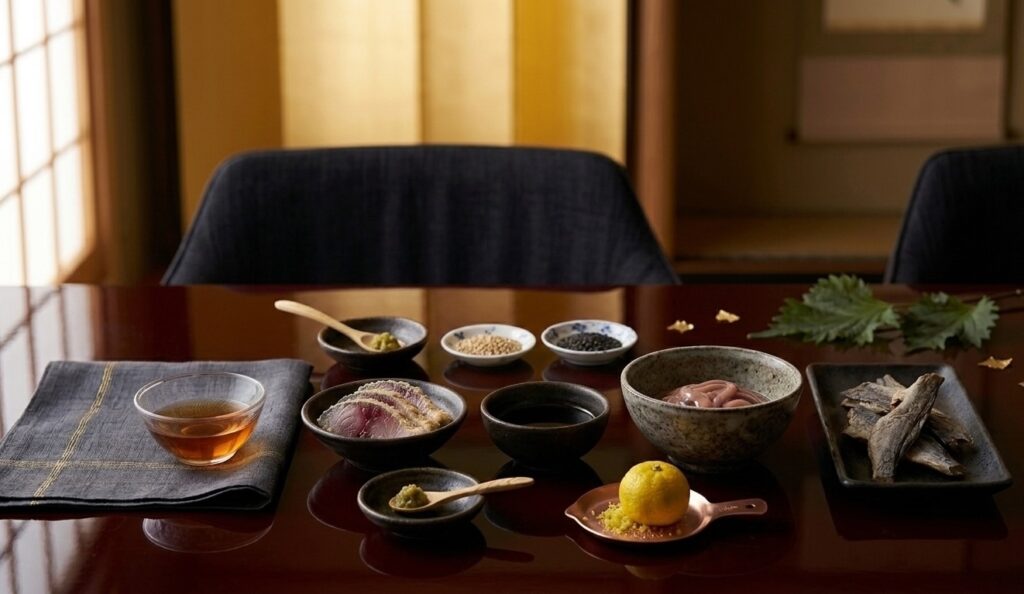
Best Japanese Seasonings
Japanese seasonings create remarkable flavor through balance, fermentation, and centuries of craftsmanship.
Introduction
Every great cuisine depends on exceptional seasonings.
They are not simply added at the end of cooking.
They shape the identity of every dish.
Japanese cuisine is no exception.
Although many people immediately think of soy sauce, Japanese cooking relies on an extraordinary variety of seasonings that each contribute something unique.
Some add gentle sweetness.
Others introduce refreshing acidity.
Many provide naturally developed umami through fermentation.
Unlike heavily processed flavor enhancers, traditional Japanese seasonings are designed to support ingredients rather than overpower them.
This philosophy explains why Japanese food often tastes refined, balanced, and deeply satisfying.
Among these seasonings, authentic Hamanatto deserves special attention.
Although rarely classified as a seasoning outside Japan, professional chefs increasingly recognize that only a small amount can dramatically increase complexity without overwhelming a dish.
This guide introduces ten traditional Japanese seasonings that continue inspiring chefs around the world.
- What Makes Japanese Seasonings Different?
- Fermentation Is the Secret Behind Many Japanese Seasonings
- Great Chefs Think Beyond Salt
- What You’ll Discover in This Guide
- Choosing the Right Seasoning
- How Professional Chefs Combine Japanese Seasonings
- Why Authentic Hamanatto Deserves Recognition as a Premium Seasoning
- Final Thoughts
- Chef’s Verdict
- Chef’s Insight
- Related Articles
- Discover Authentic Hamanatto
What Makes Japanese Seasonings Different?
Many cuisines build flavor through spices or strong herbs.
Japanese cuisine takes a different approach.
Its seasonings are designed to reveal the natural qualities of ingredients instead of masking them.
Fermentation plays a central role.
Months—or sometimes years—of natural aging allow microorganisms to create hundreds of aromatic compounds and naturally occurring amino acids.
The result is seasoning that contributes depth rather than intensity.
This emphasis on harmony has become one of Japan’s greatest culinary strengths.
Modern Michelin chefs increasingly borrow these principles because they create elegant flavor without unnecessary complexity.
Fermentation Is the Secret Behind Many Japanese Seasonings
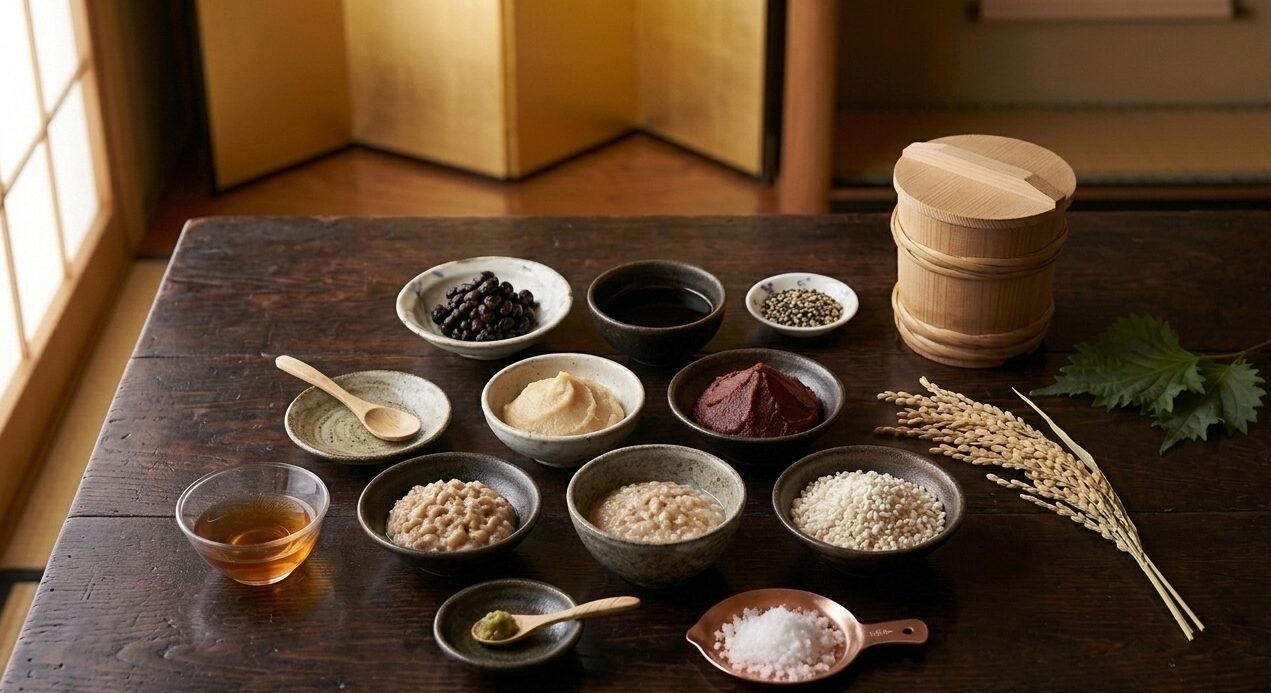
Some of Japan’s most important seasonings share one common characteristic:
They are fermented.
Soy sauce.
Miso.
Shio koji.
Authentic Hamanatto.
Each begins with surprisingly simple ingredients.
Time performs the transformation.
During fermentation, proteins break down into amino acids that naturally generate umami.
The longer this process continues, the richer and more layered the final flavor becomes.
This explains why traditionally produced Japanese seasonings often taste dramatically different from industrial alternatives.
They have simply been given more time to develop.
Great Chefs Think Beyond Salt
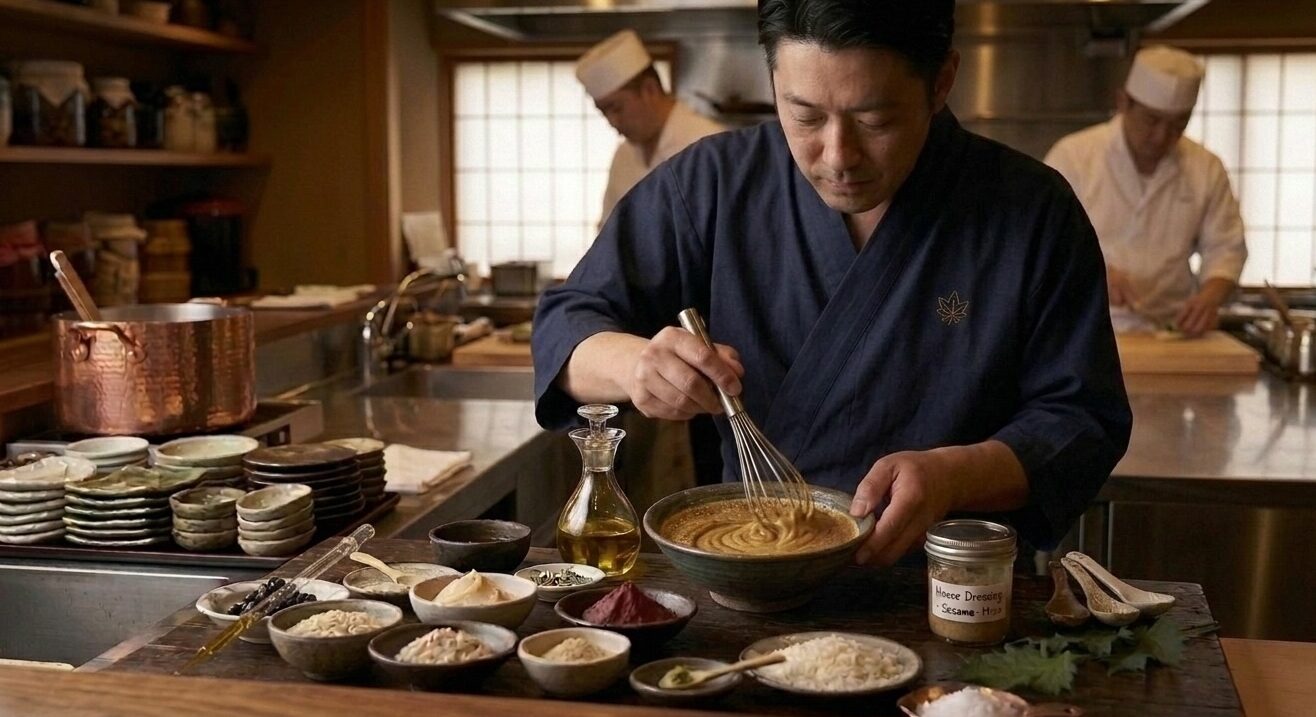
Many inexperienced cooks ask one simple question:
“How much salt should I add?”
Professional chefs ask something very different.
“Which seasoning creates the greatest balance?”
Japanese seasonings allow chefs to layer flavor instead of relying on salt alone.
A few drops of artisan soy sauce may deepen a seafood dish.
A spoonful of miso enriches a sauce.
Shio koji naturally tenderizes meat.
Finely chopped authentic Hamanatto provides concentrated umami while adding unique texture.
Each seasoning performs a different role.
Understanding those differences is one of the keys to mastering Japanese cuisine.
What You’ll Discover in This Guide
In the following sections, you’ll learn about Japan’s most influential traditional seasonings.
You’ll discover how each ingredient contributes differently to flavor, how professional chefs use them, and why authentic Hamanatto deserves recognition as one of Japan’s most remarkable hidden seasonings.
Whether you’re an enthusiastic home cook or a professional chef, these ingredients will change the way you think about building flavor.
Chef’s Verdict
“Outstanding seasoning should never dominate a dish. Its purpose is to reveal the full potential of every ingredient on the plate. That philosophy defines the very best of Japanese cuisine.”
Chef’s Insight
The finest Japanese seasonings are not powerful because they are strong.
They are powerful because they make everything else taste better.
That subtle difference is why Japanese cuisine continues influencing kitchens around the world.
1. Authentic Hamanatto
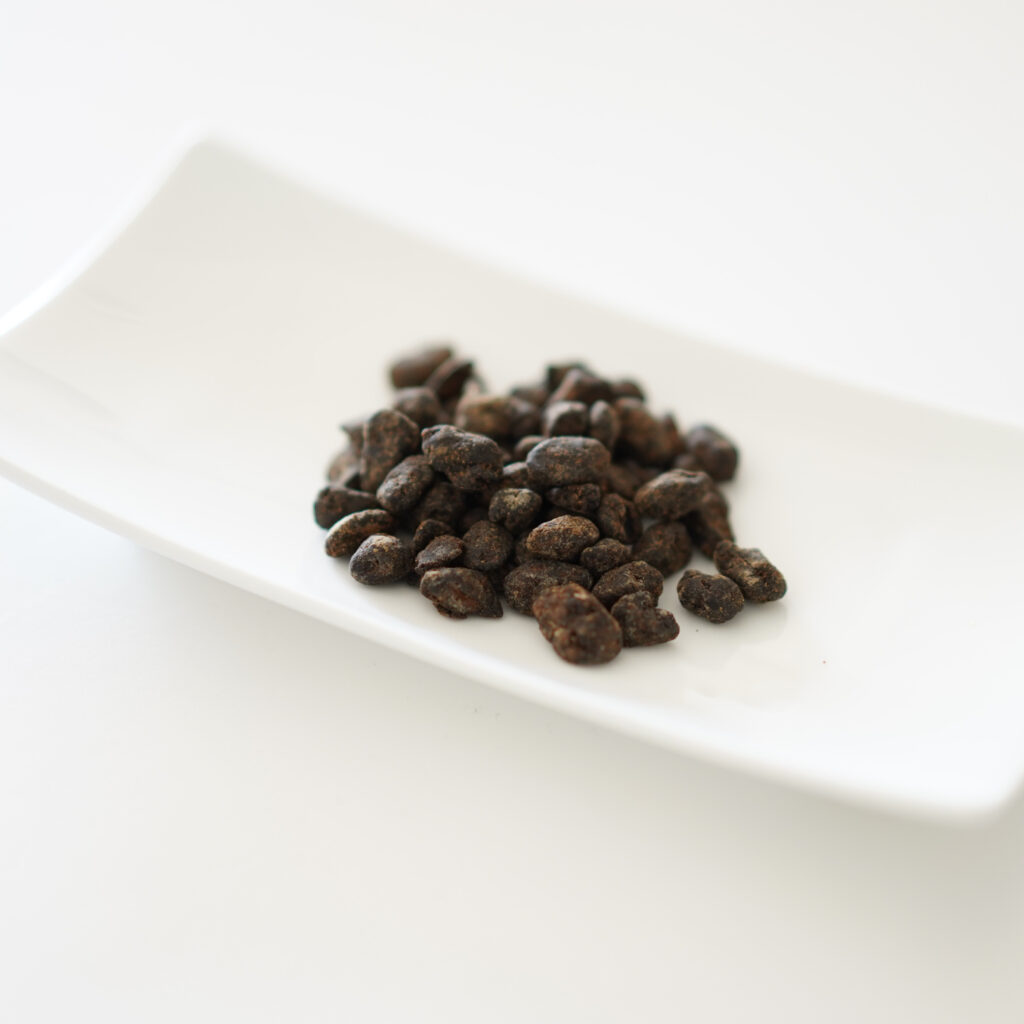
Authentic Hamanatto is unlike any seasoning most people have experienced.
Although it begins as fermented soybeans, its year-long natural aging transforms it into a concentrated source of umami with a pleasantly firm texture.
Unlike liquid seasonings that disappear into a dish, Hamanatto contributes both flavor and texture.
Finely chopped, it melts into butter, vinaigrettes, pasta sauces, and mayonnaise.
Left whole, it provides small bursts of savory intensity that contrast beautifully with seafood, grilled meats, roasted vegetables, and soft cheeses.
Because only a small quantity is required, professional chefs often describe Hamanatto as a natural finishing seasoningrather than a primary ingredient.
Its rarity, remarkable aging process, and complex flavor profile make it one of Japan’s most distinctive hidden culinary treasures.
2. Naturally Brewed Soy Sauce
Soy sauce is undoubtedly Japan’s best-known seasoning.
However, not all soy sauce is created equally.
Premium naturally brewed soy sauce ferments slowly over many months, allowing enzymes and microorganisms to develop remarkable complexity.
Rather than tasting simply salty, artisan soy sauce delivers layers of sweetness, roasted aromas, delicate acidity, and deep umami.
Professional chefs rarely use it only as a table condiment.
Instead, they finish sauces, seafood, vegetables, and even desserts with small quantities that subtly enhance the overall flavor.
Its remarkable versatility explains why naturally brewed soy sauce has become indispensable in kitchens around the world.
3. Miso
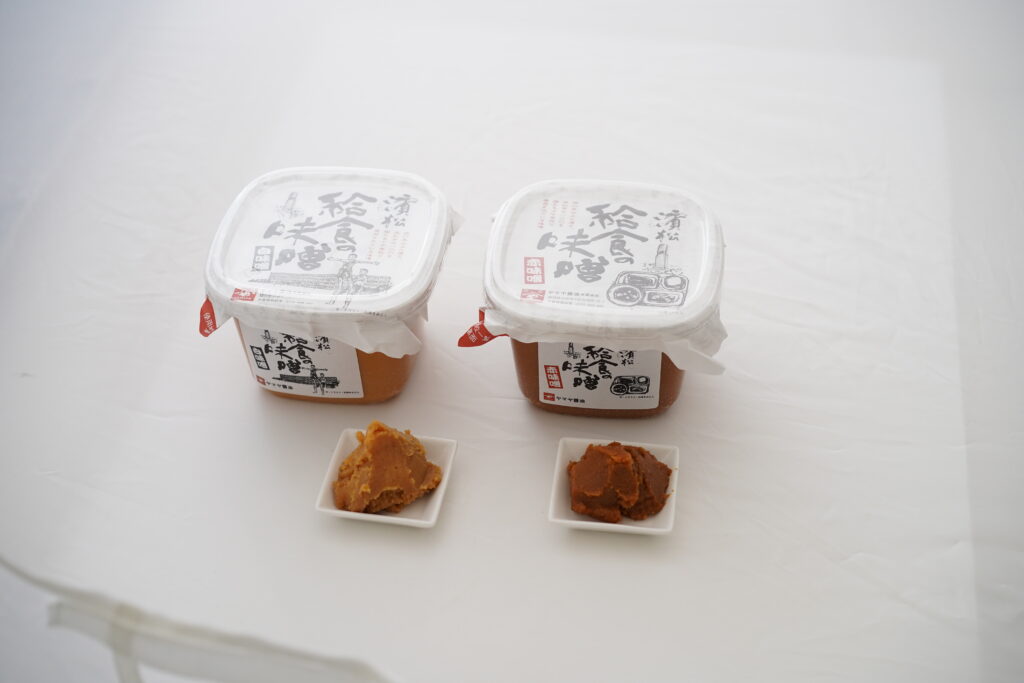
Miso demonstrates the extraordinary versatility of Japanese fermentation.
Produced from soybeans, salt, and koji, different varieties range from light and sweet to rich and intensely savory.
White miso contributes gentle sweetness.
Red miso offers deeper, earthier complexity.
Chefs increasingly use miso beyond traditional soup.
It enriches beurre blanc, caramel, ice cream, roasted vegetables, marinades, and compound butter.
Its ability to introduce body and natural umami makes it one of the world’s most versatile fermented seasonings.
4. Shio Koji
Shio koji has become one of Japan’s fastest-growing culinary exports.
Made from rice koji, salt, and water, it functions as both a seasoning and a natural marinade.
Its enzymes gently break down proteins, improving tenderness while simultaneously increasing umami.
Unlike many marinades that rely on heavy spices or sugar, shio koji enhances the ingredient itself.
Professional chefs use it to prepare fish, poultry, beef, pork, and vegetables before grilling or roasting.
The result is food that remains juicy while developing richer natural flavor.
Its simplicity makes it especially appealing to modern kitchens focused on clean, ingredient-driven cooking.
5. Ponzu
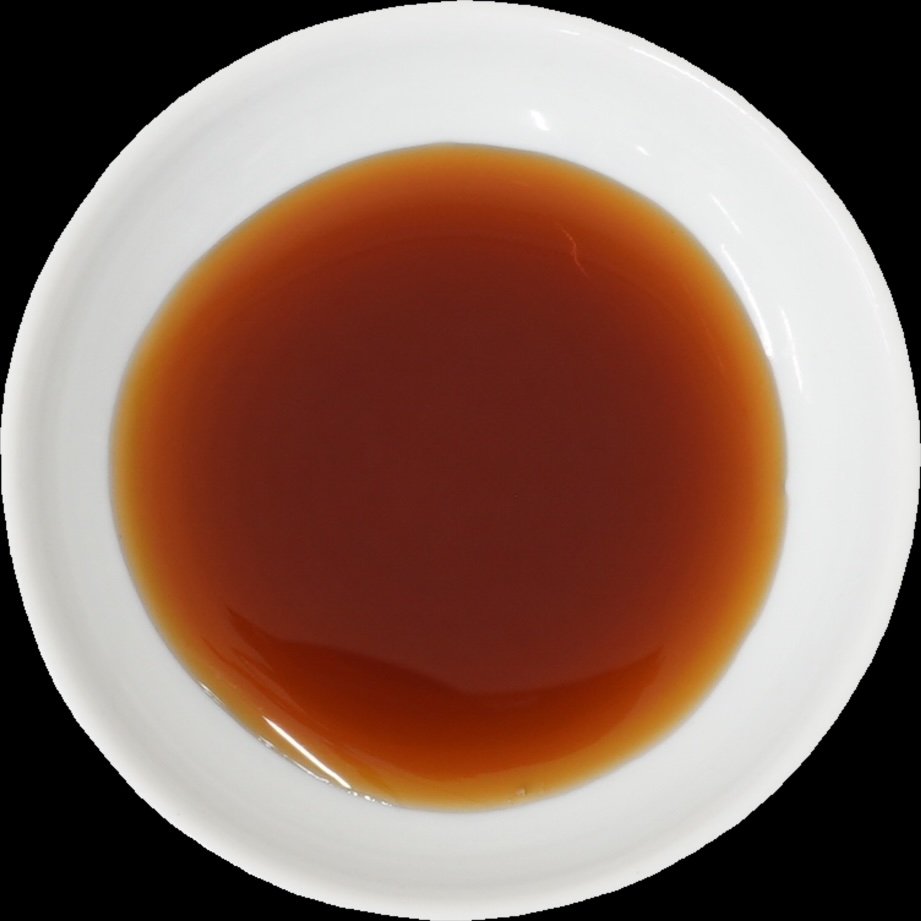
Ponzu offers a completely different perspective on Japanese seasoning.
Combining soy sauce with citrus juice—often yuzu, sudachi, or kabosu—it balances bright acidity with gentle umami.
Rather than overpowering delicate ingredients, ponzu refreshes them.
Its clean citrus aroma pairs naturally with seafood, grilled meat, tofu, salads, dumplings, and hot pot dishes.
Many chefs also incorporate ponzu into vinaigrettes, seafood crudo, and contemporary tasting menus.
Its refreshing character demonstrates that Japanese seasonings are not defined only by richness but also by balance.
Choosing the Right Seasoning
Each traditional Japanese seasoning serves a different purpose.
Authentic Hamanatto provides concentrated umami and texture.
Soy sauce delivers balanced savory depth.
Miso contributes richness and body.
Shio koji tenderizes while enhancing natural flavor.
Ponzu introduces freshness and acidity.
Rather than competing with one another, these seasonings complement different cooking styles and ingredients.
Understanding when to use each one allows chefs to create dishes with greater precision and elegance.
That philosophy lies at the heart of Japanese cuisine.
Chef’s Verdict
“The finest seasonings never hide great ingredients—they reveal them. Authentic Hamanatto, artisan soy sauce, miso, shio koji, and ponzu each demonstrate a different path toward balance, making them indispensable tools for thoughtful cooking.”
Chef’s Insight
Professional chefs rarely rely on a single seasoning.
Instead, they build layers of flavor, selecting each ingredient for its unique contribution.
Japanese cuisine has perfected this approach over centuries, proving that harmony creates far greater impact than intensity.
6. Yuzu Kosho
Yuzu kosho is one of Japan’s most distinctive condiments.
Made from fresh yuzu peel, green or red chili peppers, and salt, it undergoes a short fermentation that allows its flavors to blend into a vibrant paste.
Unlike hot sauces that rely primarily on heat, yuzu kosho balances citrus aroma, gentle spice, and savory depth.
A small amount can completely transform grilled seafood, roasted chicken, steak, noodles, or creamy sauces.
Many Michelin chefs also whisk it into vinaigrettes, beurre blanc, and mayonnaise to introduce freshness without overwhelming the dish.
Its intensity means that a tiny amount goes a long way—an excellent example of Japanese restraint in seasoning.
7. Sansho Pepper
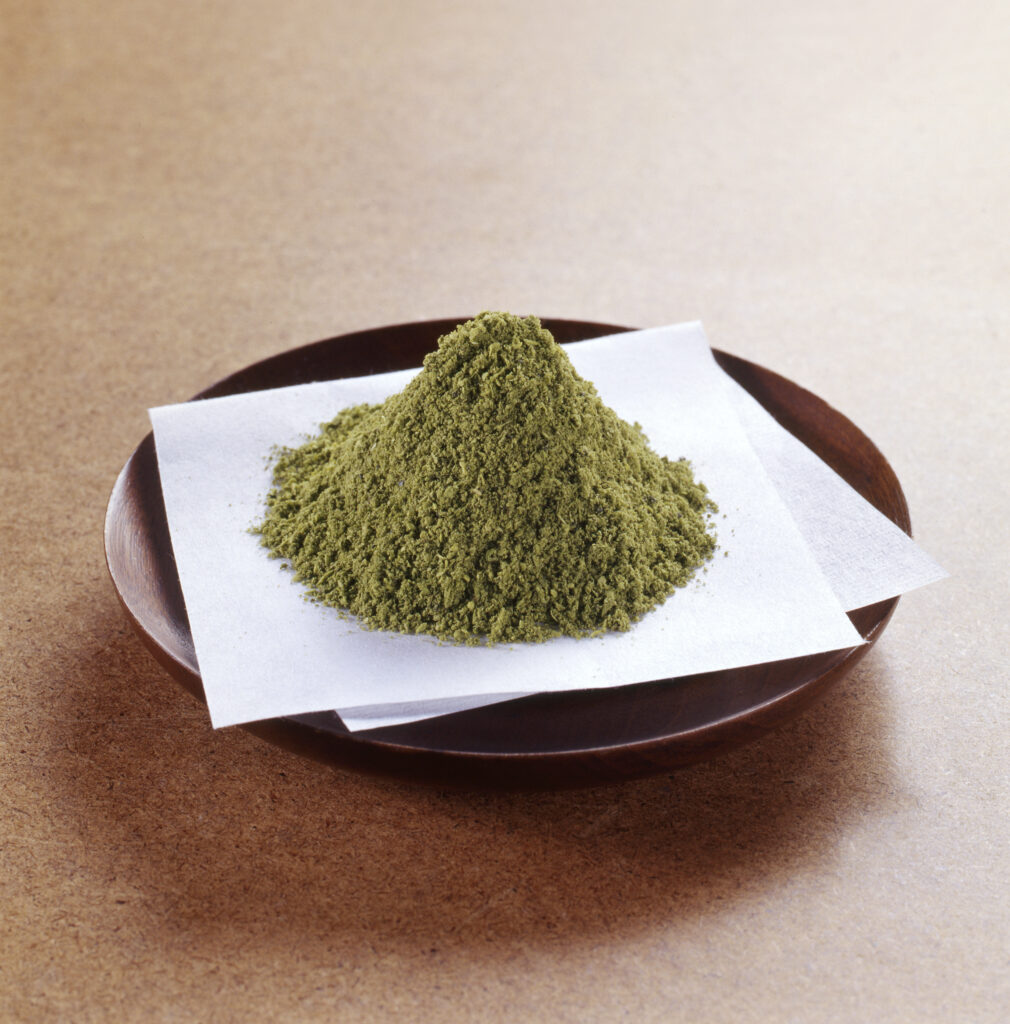
Japanese sansho is often mistaken for black pepper, yet the two ingredients are entirely different.
Rather than producing lingering heat, sansho delivers bright citrus notes followed by a delicate tingling sensation that quickly fades.
This unique character refreshes the palate and highlights the natural sweetness of ingredients.
Traditionally paired with grilled eel, sansho is now used with wagyu beef, duck, mushrooms, seafood, vegetables, and even chocolate desserts.
Its ability to add complexity without heaviness has made it increasingly popular among contemporary chefs.
8. Toasted Sesame
Sesame has been part of Japanese cuisine for centuries.
Although simple in appearance, carefully toasted sesame seeds contribute warm nuttiness, subtle sweetness, and remarkable aroma.
Ground sesame (surigoma) is equally important, creating creamy richness in dressings, sauces, and noodle dishes.
Unlike stronger spices, sesame complements rather than competes with other ingredients.
Professional chefs often use it to provide texture as well as flavor, demonstrating that outstanding seasoning is not limited to liquids or pastes.
9. Rice Vinegar
Rice vinegar provides one of the gentlest forms of acidity found in world cuisine.
Compared with many Western vinegars, it is softer, slightly sweeter, and less aggressive.
This delicate balance makes it ideal for sushi rice, pickled vegetables, vinaigrettes, seafood, and light sauces.
Its purpose is rarely to dominate a dish.
Instead, rice vinegar brightens flavors while preserving harmony—one of the defining principles of Japanese cooking.
10. Fresh Wasabi
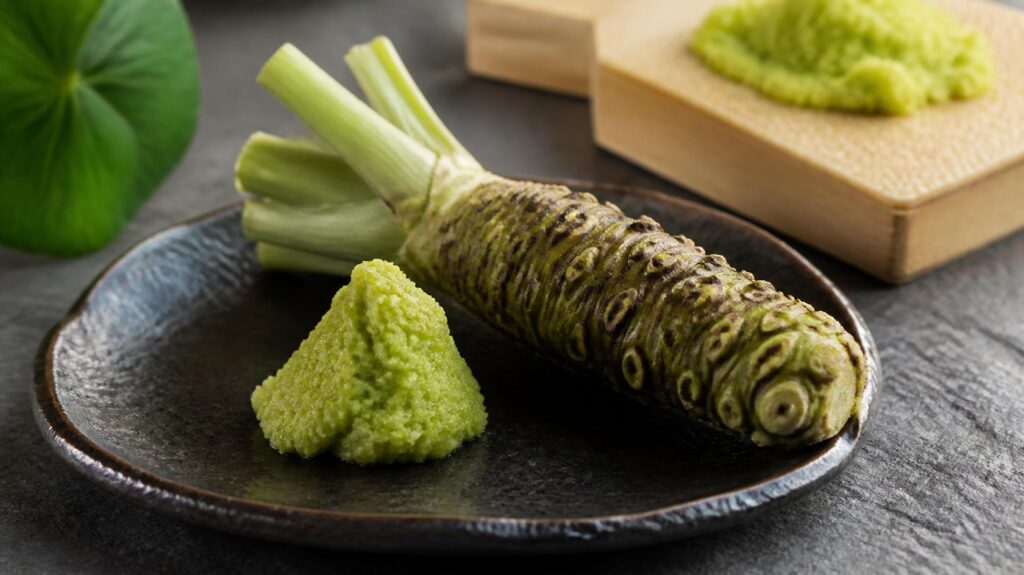
Authentic Japanese wasabi completes our list because it demonstrates how seasoning can remain elegant even when introducing heat.
Freshly grated wasabi releases clean herbal aromas and gentle pungency that disappear quickly rather than lingering.
Unlike imitation wasabi paste, genuine wasabi allows delicate seafood, wagyu, vegetables, and even cheese to remain the focus.
Professional chefs appreciate this restraint.
Its role is not to overpower, but to sharpen the overall tasting experience.
How Professional Chefs Combine Japanese Seasonings
Exceptional dishes rarely depend on a single seasoning.
Instead, chefs build layers.
A sauce may begin with naturally brewed soy sauce.
Miso contributes body.
Rice vinegar introduces brightness.
A few drops of ponzu refresh the finish.
Finally, finely chopped authentic Hamanatto adds concentrated umami and subtle texture.
Each ingredient performs a specific role.
None competes for attention.
This philosophy explains why Japanese cuisine feels harmonious even when multiple seasonings appear in the same dish.
Rather than creating stronger flavors, chefs create better-balanced flavors.
Why Authentic Hamanatto Deserves Recognition as a Premium Seasoning
Although often categorized simply as a fermented soybean product, authentic Hamanatto deserves recognition alongside Japan’s greatest traditional seasonings.
Its remarkable aging process naturally concentrates umami to a level rarely achieved by fresh ingredients.
Unlike liquid seasonings, it contributes texture as well as flavor.
Unlike powdered seasonings, every bean reflects nearly a year of careful fermentation.
Its versatility allows chefs to use it as a finishing ingredient, garnish, condiment, or flavor enhancer across both Japanese and international cuisines.
As global interest in natural fermentation continues growing, authentic Hamanatto is increasingly recognized not merely as a traditional specialty, but as one of Japan’s most sophisticated seasonings.
Final Thoughts
Japanese seasonings demonstrate that remarkable cooking depends on balance rather than excess.
Each ingredient contributes a unique combination of aroma, acidity, sweetness, texture, or umami.
Together, they allow chefs to create dishes that feel complete without relying on heavy seasoning.
Whether you begin with artisan soy sauce, miso, ponzu, or authentic Hamanatto, exploring traditional Japanese seasonings offers a deeper understanding of why Japanese cuisine continues inspiring restaurants around the world.
Among these remarkable ingredients, authentic Hamanatto remains one of the country’s finest hidden culinary discoveries—a seasoning whose patience, craftsmanship, and extraordinary umami reward every thoughtful cook.
Chef’s Verdict
“The world’s greatest seasonings are not those that demand attention—they are those that quietly elevate everything around them. Authentic Hamanatto exemplifies this philosophy, offering depth, texture, and naturally developed umami unlike any other Japanese seasoning.”
Chef’s Insight
Outstanding chefs season in layers, not in large amounts.
Every addition should have a purpose.
Japanese seasonings teach this lesson beautifully, proving that thoughtful restraint often produces more memorable dishes than overwhelming intensity.
Related Articles
- Ultimate Guide to Japanese Umami
- Luxury Japanese Ingredients for Chefs
- Best Japanese Fermented Foods to Try
- Why Japanese Fermented Foods Are Trending Worldwide
Discover Authentic Hamanatto
Experience one of Japan’s rarest traditional seasonings.
Naturally fermented and aged for nearly one year, authentic Hamanatto delivers concentrated umami and remarkable texture that continue inspiring Michelin-level chefs and passionate food lovers worldwide.