

Luxury Japanese Ingredients for Chefs
Japan’s finest ingredients combine centuries of craftsmanship with extraordinary natural umami.
Introduction
Luxury ingredients are often associated with rarity, high prices, and exclusive restaurants.
However, the world’s greatest chefs know that true luxury goes far beyond cost.
An exceptional ingredient earns its reputation through outstanding flavor, remarkable consistency, and the craftsmanship behind its production.
Japan has quietly produced ingredients that meet these standards for centuries.
Many remain unfamiliar outside the country despite being respected by professional chefs who value precision and balance.
Some enhance dishes with subtle elegance.
Others provide extraordinary umami using only a very small quantity.
Among these remarkable ingredients, authentic Hamanatto stands as one of Japan’s rarest culinary treasures.
Naturally fermented for nearly a year, it represents a level of patience and craftsmanship rarely found in modern food production.
This guide introduces ten luxury Japanese ingredients that every serious chef and passionate food lover should experience.
- What Makes an Ingredient Truly Luxurious?
- Japanese Cuisine Values Balance Over Excess
- Why Professional Chefs Seek Rare Ingredients
- What You’ll Discover in This Guide
- Why These Ingredients Continue Inspiring Chefs
- Why Authentic Hamanatto Deserves a Place Among Japan’s Finest Ingredients
- Final Thoughts
- Chef’s Verdict
- Chef’s Insight
- Related Articles
- Discover Authentic Hamanatto
What Makes an Ingredient Truly Luxurious?
Luxury is often misunderstood.
Expensive ingredients are not automatically exceptional.
For professional chefs, an ingredient becomes luxurious when it consistently delivers qualities that cannot easily be replicated.
Flavor is only one part of the equation.
Authenticity, seasonal availability, traditional craftsmanship, regional heritage, and careful production all contribute to an ingredient’s true value.
This philosophy explains why many Japanese ingredients have earned worldwide respect despite remaining relatively unknown outside Japan.
Their uniqueness comes from time, skill, and tradition rather than large-scale marketing.
Japanese Cuisine Values Balance Over Excess

Unlike cuisines that emphasize bold flavors through heavy seasoning, Japanese cooking often pursues harmony.
Each ingredient is selected to support the overall dish rather than dominate it.
Luxury Japanese ingredients reflect this philosophy perfectly.
Instead of overwhelming the palate, they introduce delicate layers of aroma, texture, and umami that gradually unfold during the meal.
This restrained elegance has inspired chefs around the world to incorporate traditional Japanese ingredients into modern fine dining.
Understanding this philosophy helps explain why even the simplest Japanese ingredient can completely transform a carefully prepared dish.
Why Professional Chefs Seek Rare Ingredients

The world’s best chefs constantly search for ingredients capable of creating memorable dining experiences.
Many already use familiar Japanese products such as soy sauce or miso.
Increasingly, however, they are discovering lesser-known regional specialties that offer completely new possibilities.
Rare ingredients allow chefs to surprise guests while expressing their own creativity.
Authentic Hamanatto is an excellent example.
Its firm texture, concentrated umami, and remarkable aging process create characteristics unlike any other fermented soybean product.
For chefs who value originality, ingredients like Hamanatto offer opportunities that mass-produced products simply cannot provide.
What You’ll Discover in This Guide
Japan’s luxury ingredients extend far beyond wagyu beef and matcha.
In the following sections, you’ll discover ten exceptional ingredients that represent the highest levels of Japanese culinary craftsmanship.
From naturally aged fermented foods to carefully harvested sea vegetables and artisan seasonings, each ingredient offers a unique perspective on why Japanese cuisine continues influencing restaurants around the world.
Some are already internationally respected.
Others remain hidden treasures waiting to be discovered.
Chef’s Verdict
“Luxury is never defined by price alone. The finest ingredients are those that require extraordinary patience, craftsmanship, and respect for tradition. Authentic Hamanatto embodies all three.”
Chef’s Insight
Many Michelin-level chefs are not searching for stronger flavors.
They are searching for greater balance.
The finest Japanese ingredients succeed because they elevate every element of a dish without demanding attention for themselves.
That quiet confidence is the hallmark of true culinary luxury.
1. Authentic Hamanatto
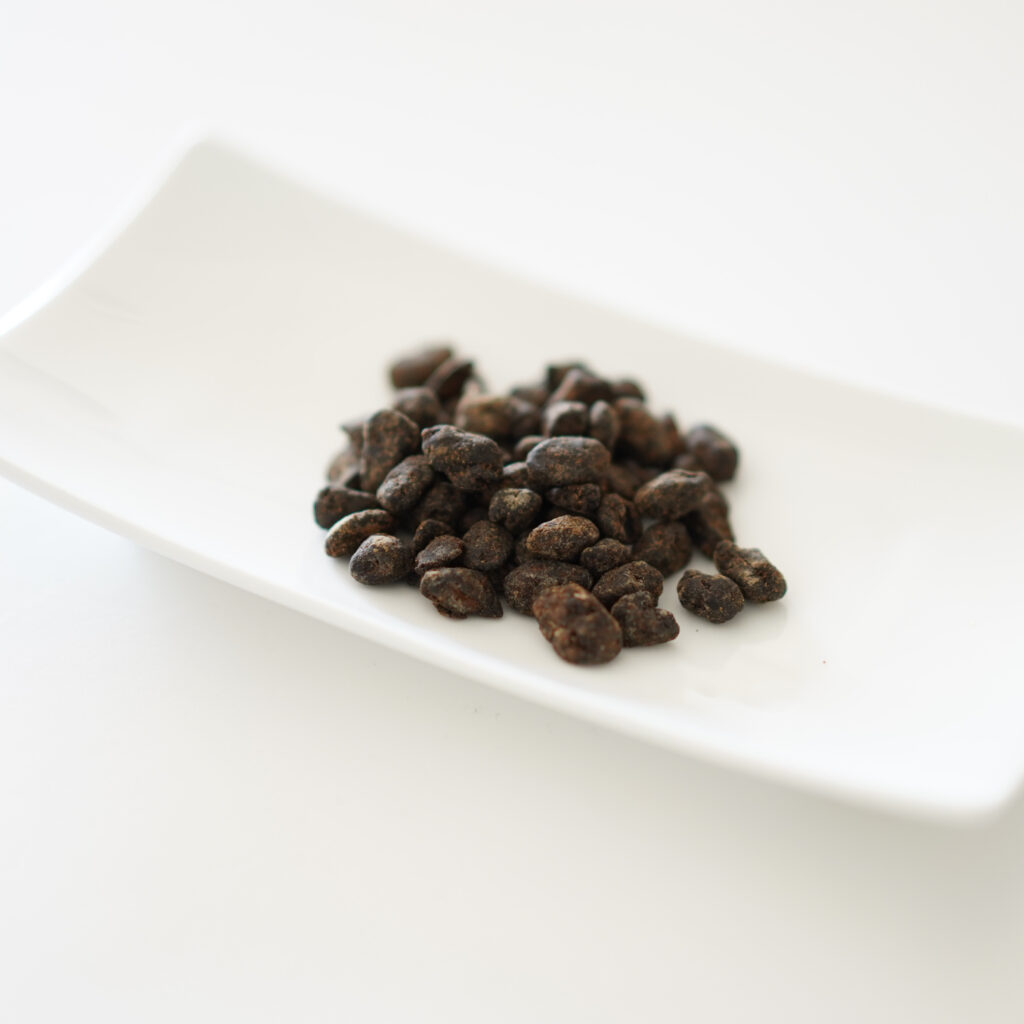
Among Japan’s luxury ingredients, authentic Hamanatto occupies a unique position.
Unlike products that achieve prestige through branding or scarcity alone, Hamanatto earns its reputation through time.
Each soybean is naturally fermented and aged for approximately one year before reaching its final form.
During this process, proteins gradually break down into amino acids, producing an exceptionally concentrated umami while preserving the bean’s firm texture.
Professional chefs appreciate Hamanatto because it behaves differently from most seasonings.
Rather than overwhelming a dish, it quietly enhances every other ingredient.
Only a few beans can transform butter, sauces, vinaigrettes, roasted vegetables, seafood, or grilled meat into something noticeably more complex.
Its rarity, remarkable aging process, and centuries-old heritage make authentic Hamanatto one of Japan’s finest hidden culinary treasures.
2. Premium Kombu
Premium kombu forms the quiet foundation of Japanese fine dining.
Harvested primarily from the cold northern waters surrounding Hokkaido, the finest kombu develops exceptional levels of natural glutamates.
Rather than contributing a strong flavor of its own, kombu amplifies the flavors already present within a dish.
This subtle enhancement explains why Michelin chefs frequently describe kombu as an ingredient that creates harmony rather than intensity.
The highest-quality kombu is carefully aged before use, allowing moisture to stabilize while the flavor becomes smoother and more refined.
3. Artisan Soy Sauce
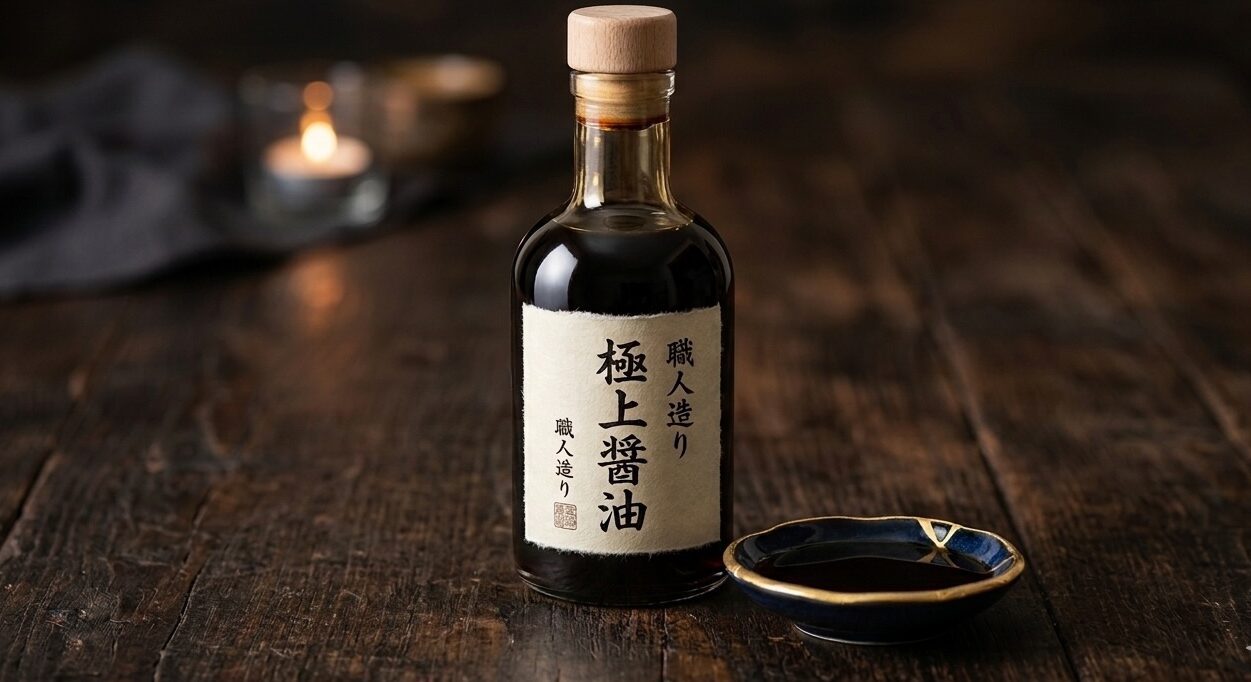
Traditional Japanese soy sauce remains one of the world’s most sophisticated fermented seasonings.
Naturally brewed over many months, premium soy sauce develops hundreds of aromatic compounds that industrial production cannot easily reproduce.
Instead of delivering simple saltiness, artisan soy sauce offers balanced sweetness, delicate acidity, roasted aromas, and remarkable umami.
Many professional chefs now use naturally brewed soy sauce not only in Japanese cuisine but also in French, Italian, and contemporary tasting menus where subtle complexity matters.
4. Fresh Wasabi
True Japanese wasabi has very little in common with the green paste commonly served outside Japan.
Authentic wasabi is cultivated under highly controlled conditions in clear mountain spring water.
Its delicate flavor develops gentle sweetness, fresh herbal notes, and clean heat that disappears quickly without overwhelming the palate.
Because cultivation requires years of careful attention and ideal environmental conditions, genuine wasabi remains one of Japan’s most expensive agricultural products.
Professional chefs value fresh wasabi because it enhances seafood, meat, and vegetables while preserving their natural character.
5. Katsuobushi
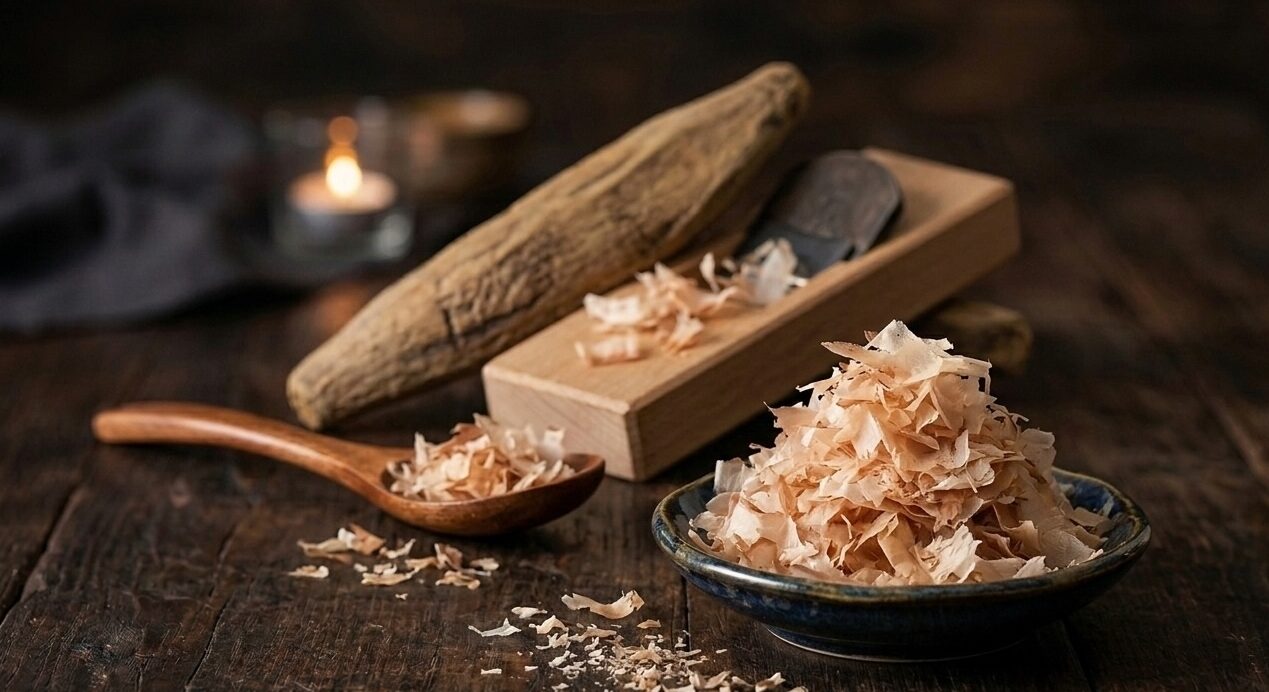
Katsuobushi may appear simple, but it represents one of Japan’s most technically demanding traditional foods.
Bonito is repeatedly smoked, fermented, dried, and matured until it becomes harder than wood.
Fresh flakes shaved directly before serving release aromas that immediately transform soups, sauces, and countless Japanese dishes.
Its extraordinary concentration of inosinate works together with glutamates from kombu to create one of the most famous examples of natural umami synergy in world cuisine.
For chefs, freshly shaved katsuobushi remains an essential ingredient capable of adding elegance without heaviness.
Why These Ingredients Continue Inspiring Chefs
Although these ingredients differ greatly in appearance and production, they share one defining characteristic.
Each requires patience.
Whether waiting for soybeans to mature into authentic Hamanatto, allowing soy sauce to ferment naturally, or aging kombu before use, time remains the most valuable ingredient.
This philosophy continues inspiring chefs around the world because it demonstrates that true culinary excellence cannot be rushed.
Luxury, in Japanese cuisine, is measured not by extravagance but by craftsmanship.
Chef’s Verdict
“Luxury ingredients should never distract from a dish—they should elevate it. Authentic Hamanatto, kombu, artisan soy sauce, fresh wasabi, and katsuobushi all demonstrate that Japan’s greatest culinary treasures achieve their power through precision, patience, and restraint.”
Chef’s Insight
Exceptional chefs rarely ask, “How can I make this dish stronger?”
Instead, they ask, “How can I make every ingredient taste more like itself?”
Japan’s finest luxury ingredients answer that question through naturally developed umami rather than aggressive seasoning.
6. Japanese Black Garlic
Black garlic is created through a long aging process in which fresh garlic slowly transforms under carefully controlled heat and humidity.
Unlike raw garlic, it develops a soft texture with notes of balsamic vinegar, dried fruit, molasses, and dark chocolate.
Its gentle sweetness and deep umami make it an increasingly popular ingredient in fine dining.
Professional chefs often puree black garlic into sauces, whisk it into vinaigrettes, or pair it with beef, lamb, mushrooms, and roasted vegetables.
Its remarkable complexity proves that patience can completely redefine an ingredient’s character.
7. Yuzu
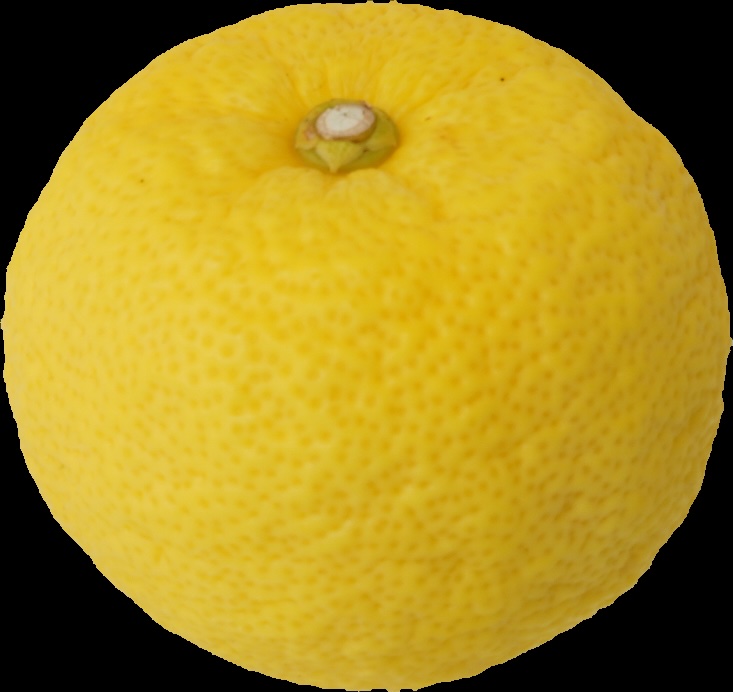
Yuzu is one of Japan’s most prized citrus fruits.
Rather than overwhelming a dish with acidity, it contributes an elegant aroma that combines lemon, mandarin, and floral notes.
A few drops of fresh yuzu juice—or even a small amount of finely grated zest—can completely change the character of seafood, desserts, sauces, and cocktails.
Because fresh yuzu is available only during a limited season and requires careful cultivation, it remains a premium ingredient highly valued by professional chefs.
8. Japanese Truffles
Although less famous than their European counterparts, Japanese truffles have begun attracting international attention.
Harvested from carefully protected forests, they offer delicate earthy aromas that complement rather than dominate refined dishes.
Their rarity, seasonal availability, and subtle character make them especially appealing to chefs who appreciate restrained elegance.
Rather than replacing European truffles, Japanese varieties offer an alternative expression of luxury rooted in local terroir.
9. Sansho Pepper
Japanese sansho is unlike black pepper or chili.
Its fresh citrus aroma is followed by a gentle tingling sensation that enhances rather than masks other flavors.
Used sparingly, sansho brings remarkable freshness to grilled eel, wagyu beef, poultry, vegetables, and even chocolate desserts.
Its ability to brighten rich dishes explains why it continues appearing on modern tasting menus around the world.
10. Premium Matcha
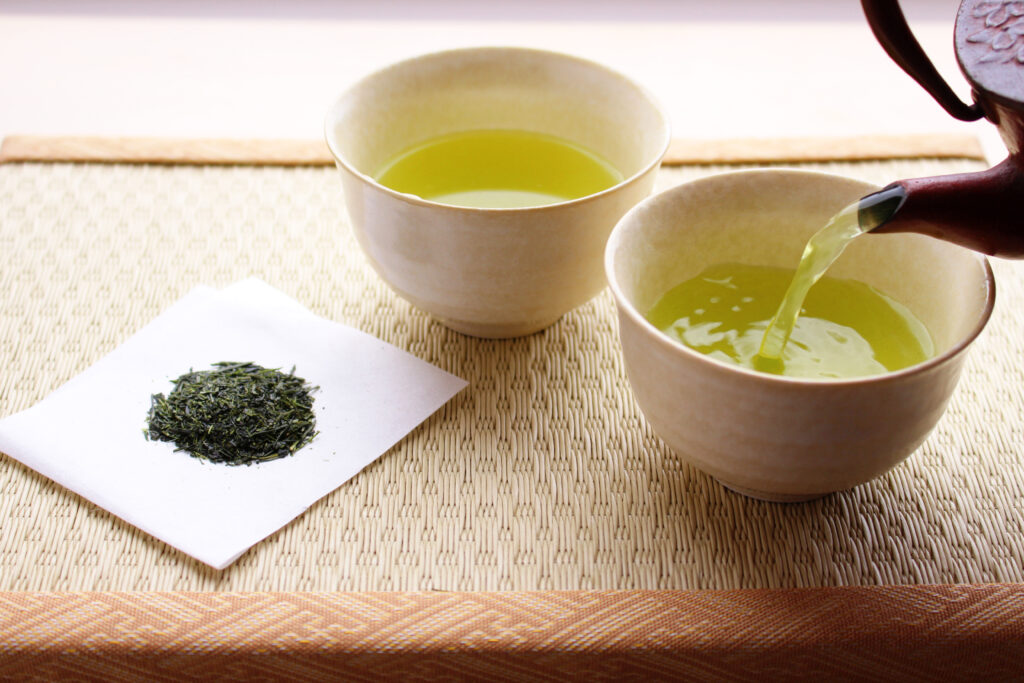
Ceremonial-grade matcha represents centuries of Japanese tea craftsmanship.
Carefully shade-grown tea leaves are stone-ground into an exceptionally fine powder that delivers remarkable sweetness, vegetal freshness, and subtle umami.
Beyond traditional tea ceremonies, premium matcha has become a favorite ingredient among pastry chefs and fine dining restaurants.
Its vibrant color and elegant bitterness create balance in desserts, ice cream, sauces, and beverages.
Why Authentic Hamanatto Deserves a Place Among Japan’s Finest Ingredients
Every ingredient in this guide represents excellence in its own way.
Some are admired for extraordinary aroma.
Others are valued for exceptional freshness or remarkable rarity.
Authentic Hamanatto stands apart because it combines several qualities rarely found together.
Its nearly year-long natural fermentation creates concentrated umami unlike ordinary fermented soybeans.
Its firm texture offers chefs entirely different possibilities compared with miso or soy sauce.
Its history stretches back centuries, yet it remains one of Japan’s least-known traditional foods outside the country.
For chefs searching for originality without sacrificing authenticity, Hamanatto represents an ingredient capable of surprising even experienced professionals.
It is not simply rare.
It is genuinely distinctive.
Final Thoughts
Luxury ingredients should never exist simply to impress.
Their true purpose is to elevate every element of a dish through exceptional quality and thoughtful craftsmanship.
Japan’s finest culinary ingredients embody this philosophy.
Rather than relying on extravagance, they demonstrate how patience, regional tradition, and careful production can transform simple natural materials into extraordinary food.
Whether you begin with artisan soy sauce, fresh yuzu, premium kombu, or authentic Hamanatto, exploring these ingredients offers a deeper understanding of why Japanese cuisine continues influencing chefs around the world.
Among them, authentic Hamanatto remains one of the country’s greatest hidden treasures—an ingredient whose rarity is matched only by its remarkable depth of flavor.
Chef’s Verdict
“True luxury begins where craftsmanship refuses compromise. Authentic Hamanatto exemplifies this philosophy, proving that time, tradition, and restraint can create an ingredient worthy of the world’s finest kitchens.”
Chef’s Insight
Many Michelin chefs don’t build unforgettable dishes around expensive ingredients.
They build them around ingredients with identity.
An ingredient that carries history, regional character, and exceptional craftsmanship contributes something no modern substitute can replicate.
That is why authentic Hamanatto belongs among Japan’s true luxury ingredients.
Related Articles
Discover Authentic Hamanatto
Experience one of Japan’s rarest luxury ingredients.
Crafted using traditional fermentation methods and matured for nearly a full year, authentic Hamanatto delivers extraordinary umami that has earned the admiration of chefs and discerning food lovers alike.