

Ultimate Guide to Japanese Umami
Japanese umami is built upon centuries of craftsmanship, where simple ingredients develop extraordinary depth through nature and time.
Introduction
Few culinary concepts have influenced modern cooking as profoundly as umami.
Today, chefs around the world describe dishes as rich in umami, restaurants advertise umami-rich menus, and food writers regularly refer to it as the fifth taste.
Yet surprisingly few people understand what umami actually is.
Many assume it simply means “strong flavor.”
Others confuse it with saltiness.
Neither explanation is correct.
Umami is a distinct taste created primarily by naturally occurring amino acids and nucleotides that develop in foods through aging, fermentation, drying, and careful cooking.
Japan did not invent umami.
Nature did.
However, Japanese cuisine became the first culinary tradition to intentionally understand, refine, and celebrate it.
For centuries, Japanese cooks quietly mastered techniques that allowed ordinary ingredients to develop extraordinary depth without overwhelming the palate.
Among those ingredients, authentic Hamanatto represents one of the most concentrated yet least-known expressions of naturally developed umami.
This guide explains not only what umami is, but why it has become one of the world’s most influential culinary concepts.
What Exactly Is Umami?
The word umami comes from the Japanese word “umai,” meaning delicious or savory.
Scientifically, umami is recognized as one of the five basic human tastes alongside sweetness, sourness, bitterness, and saltiness.
Unlike those tastes, however, umami is often difficult to describe.
Instead of delivering an immediate sensation, it creates depth.
It makes food taste fuller.
Richer.
More satisfying.
It lingers on the palate and encourages another bite.
This unique quality explains why chefs often describe umami as the taste that brings an entire dish together.
Rather than standing out individually, it enhances every other flavor around it.
The Science Behind Umami
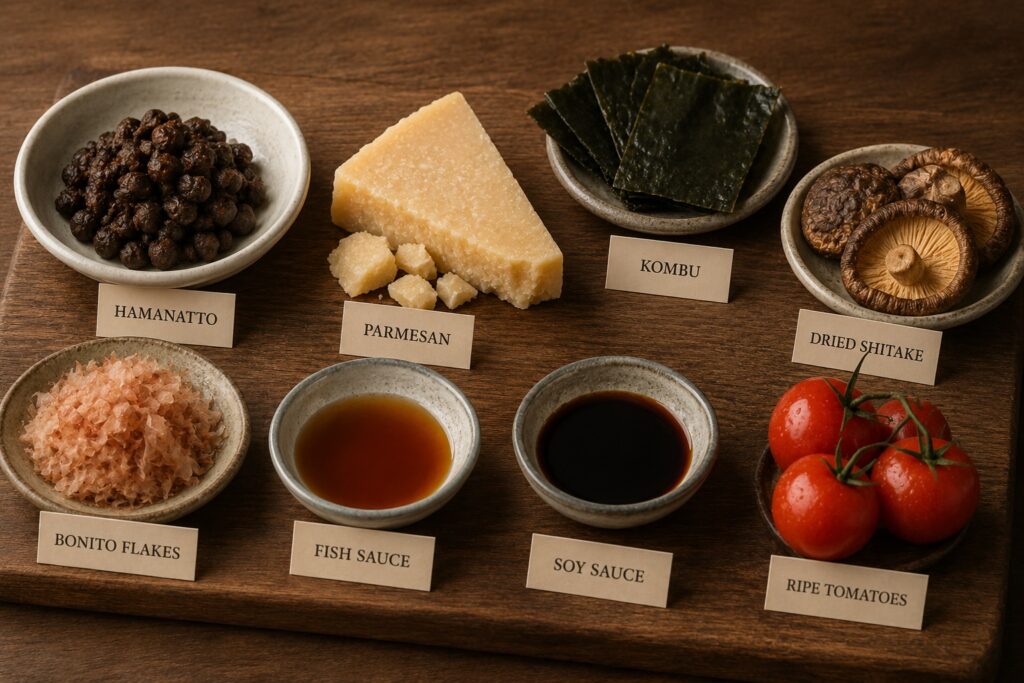
The primary source of umami comes from naturally occurring glutamates.
Additional compounds known as inosinate and guanylate further strengthen the sensation when combined with glutamates.
This interaction explains why certain ingredients work exceptionally well together.
For example:
- Kombu is naturally rich in glutamates.
- Katsuobushi provides inosinate.
- Dried shiitake mushrooms contribute guanylate.
When these ingredients are combined, the resulting umami becomes dramatically stronger than any single ingredient alone.
This natural phenomenon, known as umami synergy, forms the foundation of countless Japanese dishes.
Modern chefs continue using the same principle in cuisines throughout the world.
Japan Perfected Umami Long Before Science Explained It
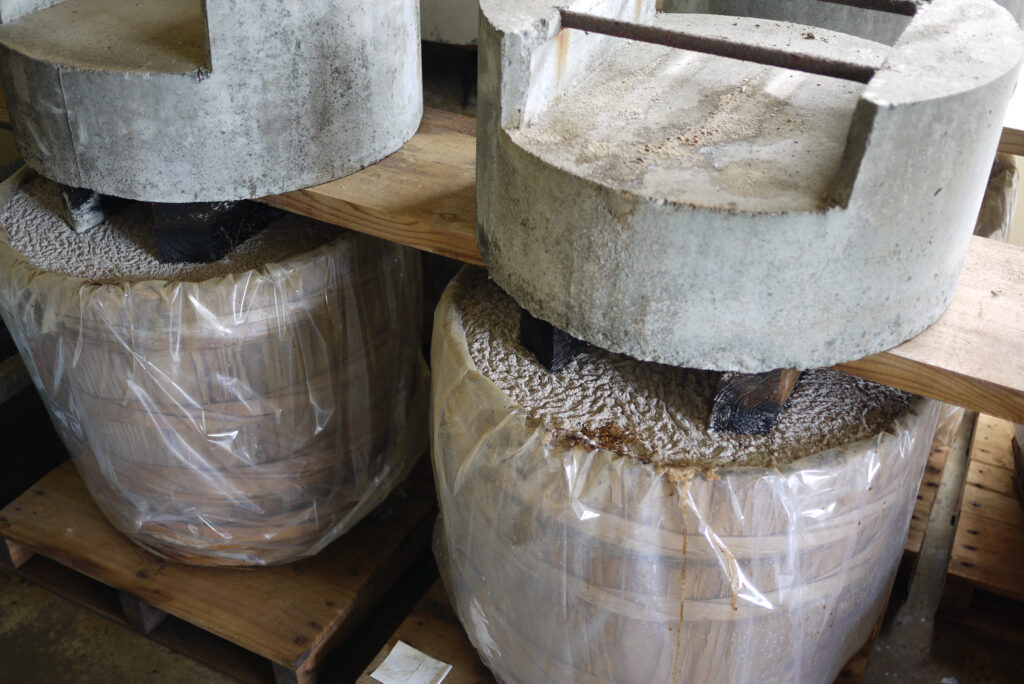
Long before scientists identified glutamate molecules, Japanese cooks had already discovered how to create extraordinary flavor using simple natural ingredients.
Kombu was soaked to produce delicate dashi.
Bonito flakes were shaved by hand.
Soy sauce and miso matured slowly through natural fermentation.
Hamanatto quietly aged for nearly a full year.
None of these techniques relied on artificial flavor enhancement.
Instead, they allowed microorganisms and time to perform the work.
Generations of artisans refined these methods not because they understood modern chemistry, but because they understood taste.
Their accumulated knowledge eventually shaped what we now recognize as Japanese umami.
Why This Guide Matters
Umami is no longer limited to Japanese cuisine.
It has become one of the most important concepts in modern gastronomy.
Understanding how umami works allows chefs, home cooks, and food lovers to build more balanced, satisfying dishes using natural ingredients instead of excessive seasoning.
In the following sections, we’ll explore Japan’s greatest umami ingredients, explain how professional chefs use them, and discover why authentic Hamanatto remains one of the most remarkable hidden sources of natural umami anywhere in the world.
Chef’s Verdict
“Umami is not a seasoning. It is the invisible foundation that makes extraordinary food unforgettable. The finest Japanese ingredients demonstrate this better than anywhere else in the world.”
Chef’s Insight
Many chefs spend years learning techniques before realizing that great cooking is often about building flavor rather than adding flavor.
Japanese umami ingredients teach exactly that lesson—using patience, fermentation, and natural transformation instead of excess seasoning.
1. Authentic Hamanatto — Japan’s Hidden Umami Treasure
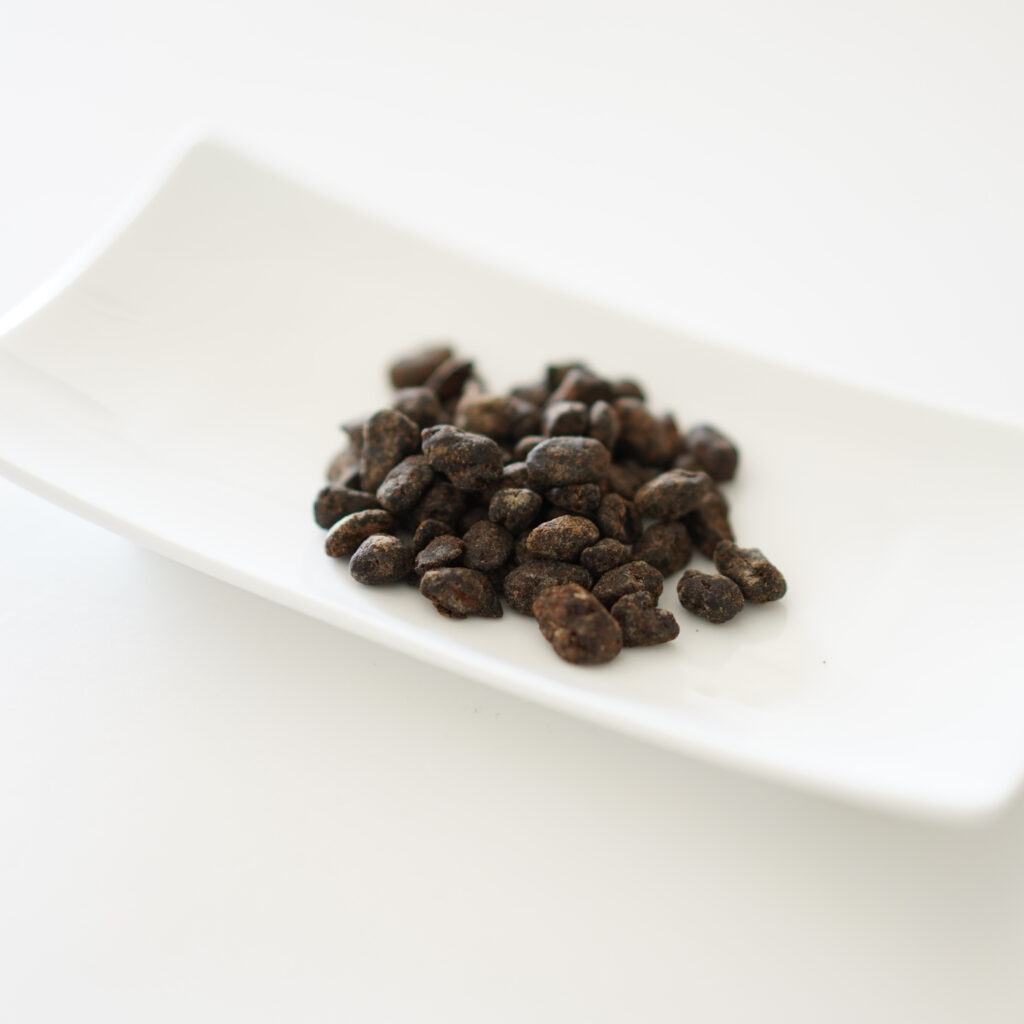
Among Japan’s many umami-rich ingredients, authentic Hamanatto remains one of the least known—and one of the most remarkable.
Unlike ordinary natto, Hamanatto is fermented with koji mold and then naturally aged for nearly a full year.
During this slow maturation, proteins gradually break down into free amino acids, creating an exceptionally concentrated source of natural umami.
At the same time, moisture slowly evaporates, producing a dense, chewy texture that encourages prolonged chewing.
That extended chewing releases flavor gradually, allowing the umami to continue developing long after the first bite.
Professional chefs value Hamanatto because it behaves differently from almost every other seasoning.
Instead of disappearing into a dish, it contributes tiny bursts of deep savory flavor while preserving its own distinctive texture.
Only a few finely chopped beans can transform butter, vinaigrettes, pasta, roasted vegetables, seafood, or grilled meats.
For chefs seeking originality, authentic Hamanatto offers one of Japan’s most exciting hidden ingredients.
2. Kombu — The Foundation of Japanese Umami
If Hamanatto represents concentrated fermented umami, kombu represents pure natural umami.
Harvested mainly from the cold waters surrounding Hokkaido, premium kombu contains exceptionally high levels of naturally occurring glutamates.
Rather than adding noticeable flavor of its own, kombu amplifies the flavors already present within a dish.
This remarkable ability explains why kombu forms the foundation of dashi, Japan’s essential cooking stock.
Many Michelin chefs now infuse sauces, oils, butter, and broths with kombu because it creates greater depth without increasing heaviness.
Its elegance lies in what it allows other ingredients to become.
3. Katsuobushi — The Power of Umami Synergy
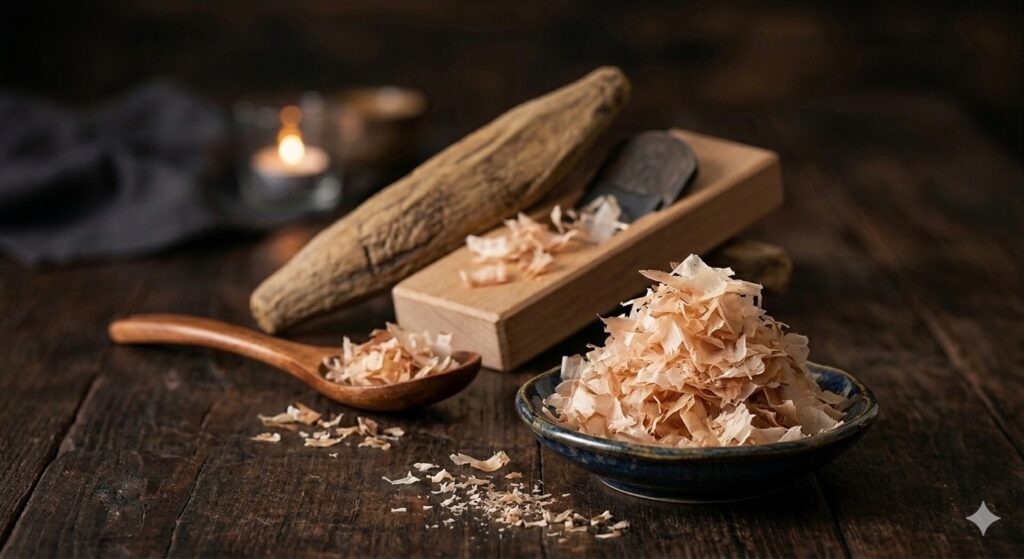
Katsuobushi, or dried bonito flakes, contributes a different type of umami.
Instead of glutamates, it supplies inosinate, another naturally occurring compound responsible for savory flavor.
When inosinate combines with kombu’s glutamates, umami becomes dramatically more intense.
This phenomenon is known as umami synergy.
It is one of the most important discoveries in Japanese cuisine and continues influencing professional kitchens around the world.
Freshly shaved katsuobushi also contributes subtle smoky aromas that enrich soups, vegetables, seafood, and meat without overpowering them.
4. Naturally Brewed Soy Sauce
Traditional Japanese soy sauce develops its extraordinary character through months of natural fermentation.
Soybeans and wheat gradually transform into hundreds of aromatic compounds that create sweetness, roasted notes, acidity, and deep umami.
Unlike industrial soy sauce, artisan versions continue evolving throughout fermentation.
Professional chefs frequently finish dishes with naturally brewed soy sauce because it enhances existing flavors rather than masking them.
Its remarkable balance explains why it appears in cuisines far beyond Japan.
5. Dried Shiitake Mushrooms
Shiitake mushrooms demonstrate that umami is not limited to fermented foods.
As shiitake slowly dry, they accumulate large amounts of guanylate, another natural umami compound.
When guanylate combines with glutamates from kombu or Hamanatto, flavor becomes even richer.
This makes dried shiitake especially valuable in vegetarian cooking, where chefs seek intense savory character without meat.
Its earthy aroma also adds warmth and depth to soups, sauces, risottos, and braised dishes.
Different Ingredients, Different Expressions of Umami
Although these five ingredients all deliver umami, they do so in very different ways.
Kombu builds quiet depth.
Katsuobushi adds aromatic richness.
Soy sauce provides balanced complexity.
Shiitake contributes earthy warmth.
Authentic Hamanatto combines concentrated fermentation with distinctive texture, creating an experience unlike any other Japanese ingredient.
Together they illustrate why Japanese cuisine has become the global reference for naturally developed savory flavor.
Understanding these differences allows chefs to design dishes with far greater precision than relying on salt alone.
Chef’s Verdict
“Great umami is never created by a single ingredient. It is the careful layering of complementary flavors. Authentic Hamanatto, kombu, katsuobushi, soy sauce, and shiitake each play a unique role in building unforgettable dishes.”
Chef’s Insight
Professional chefs rarely ask which ingredient contains the most umami.
Instead, they ask which combination creates the most balanced umami.
That philosophy is one of Japan’s greatest contributions to modern gastronomy.
How Michelin Chefs Build Umami Without Overpowering a Dish
One of the biggest misconceptions about umami is that more is always better.
In reality, the world’s best chefs pursue balance rather than intensity.
Instead of relying on a single powerful ingredient, they layer complementary sources of natural umami.
A classic Japanese dashi combines kombu and katsuobushi.
A modern chef may pair artisan soy sauce with roasted mushrooms.
Another might finish a butter sauce with finely minced authentic Hamanatto.
Each ingredient contributes something different.
Together, they create a flavor that feels complete without becoming heavy.
This philosophy explains why Japanese cuisine often tastes remarkably satisfying despite appearing visually simple.
True umami is rarely obvious.
It is quietly woven into every bite.
Umami Is More Than a Taste

Many people describe umami as the fifth taste, but that definition only tells part of the story.
Umami also changes how we experience other flavors.
It softens harsh acidity.
It balances bitterness.
It extends aromas.
It creates a longer, richer finish.
Perhaps most importantly, it encourages a feeling of satisfaction that makes a dish memorable long after the meal has ended.
This is why chefs often refer to umami as the foundation of flavor rather than simply another seasoning.
Understanding this principle transforms the way people cook.
Instead of asking “How much salt does this need?” they begin asking “How can I build more natural depth?”
Why Authentic Hamanatto Stands Apart
Among Japan’s remarkable umami ingredients, authentic Hamanatto occupies a unique position.
Unlike kombu or katsuobushi, it contributes both flavor and texture.
Unlike soy sauce, it remains visible on the plate.
Unlike miso, it delivers concentrated umami without becoming a paste.
Its year-long natural fermentation creates extraordinary complexity while preserving the integrity of every soybean.
For chefs, this opens creative possibilities rarely found elsewhere.
Finely chopped Hamanatto can finish risotto.
Whole beans can accompany grilled wagyu.
Small quantities enrich vinaigrettes, compound butter, seafood, roasted vegetables, and handmade pasta.
Its versatility continues surprising chefs who encounter it for the first time.
Rather than replacing familiar ingredients, Hamanatto expands the vocabulary of umami.
The Future of Umami

Interest in natural umami continues growing across the world.
Consumers increasingly prefer foods with fewer artificial additives.
Restaurants seek ingredients that combine outstanding flavor with authentic stories.
Fermentation continues attracting attention not because it is fashionable, but because it consistently delivers remarkable culinary results.
Japan’s traditional ingredients are perfectly positioned within this movement.
Many have already become internationally respected.
Others remain waiting to be discovered.
Authentic Hamanatto belongs firmly in the second category.
Its rarity is genuine.
Its craftsmanship is extraordinary.
Its flavor represents centuries of accumulated knowledge.
As more chefs explore traditional Japanese fermentation, Hamanatto is likely to become one of the next great discoveries in modern gastronomy.
Final Thoughts
Umami is often described as Japan’s gift to the culinary world.
Yet its greatest contribution is not a single ingredient or recipe.
It is a philosophy.
A philosophy that values patience over speed.
Natural transformation over artificial enhancement.
Balance over excess.
Whether found in kombu, katsuobushi, artisan soy sauce, or authentic Hamanatto, Japanese umami demonstrates that extraordinary flavor develops through time, craftsmanship, and respect for ingredients.
For chefs, understanding umami opens endless creative possibilities.
For food lovers, it offers a deeper appreciation of why Japanese cuisine continues influencing restaurants around the world.
Among all these remarkable ingredients, authentic Hamanatto remains one of the finest expressions of naturally developed umami—a hidden treasure waiting to be discovered.
Chef’s Verdict
“Umami is not the strongest flavor on the plate—it is the one that makes every other flavor unforgettable. Authentic Hamanatto captures this philosophy with extraordinary elegance, proving that true culinary excellence is built through patience rather than excess.”
Chef’s Insight
The finest chefs do not chase intensity.
They chase lasting impression.
Natural umami creates that impression because it supports every ingredient instead of competing with it.
That quiet confidence is the essence of Japanese cuisine.
Related Articles
- What Is Hamanatto? Japan’s Hidden Fermented Food
- Luxury Japanese Ingredients for Chefs
- Why Japanese Fermented Foods Are Trending Worldwide
Discover Authentic Hamanatto
Experience one of Japan’s rarest natural umami ingredients.
Traditionally fermented for nearly one year, authentic Hamanatto delivers exceptional depth of flavor that continues inspiring chefs and discerning food lovers around the world.