
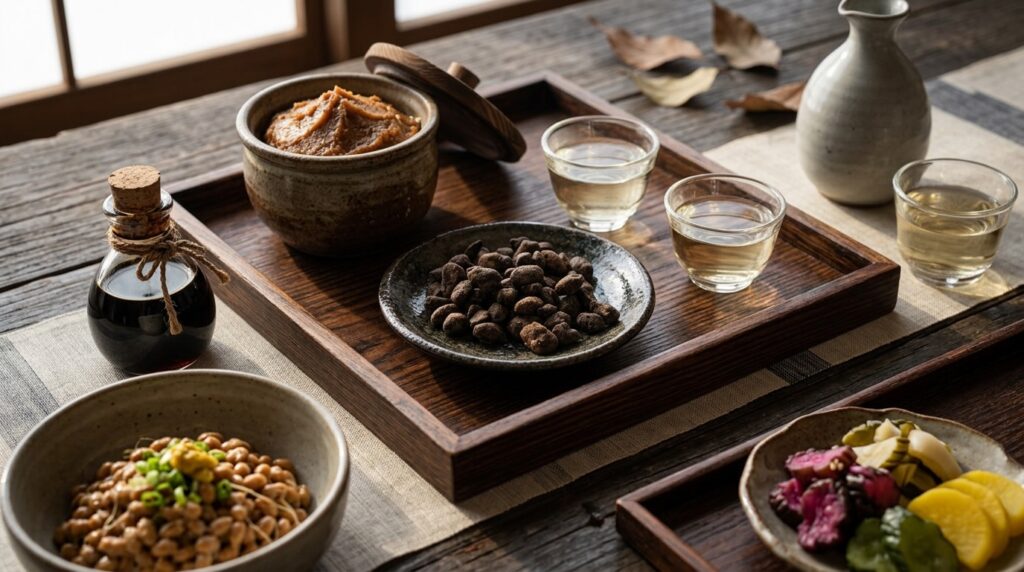
Best Japanese Fermented Foods to Try
Japanese fermentation has produced some of the world’s most remarkable ingredients, each offering its own unique expression of umami.
Introduction
Fermentation lies at the heart of Japanese cuisine.
Long before refrigeration existed, Japanese artisans developed techniques that preserved food while transforming simple ingredients into remarkably complex flavors.
Today, these traditional methods continue to shape some of Japan’s most iconic foods.
Many people outside Japan are already familiar with soy sauce or miso.
However, these represent only a small part of Japan’s rich fermentation culture.
From deeply aged seasonings to rare regional specialties, Japanese fermented foods offer extraordinary diversity in taste, aroma, and texture.
Among them, authentic Hamanatto stands apart as one of the country’s oldest and rarest fermented delicacies.
Understanding these foods provides a deeper appreciation of Japanese cuisine and the philosophy behind its famous umami.
Why Fermentation Is Central to Japanese Cuisine
Japan’s culinary identity has been shaped by fermentation for well over a thousand years.
Instead of relying heavily on spices or strong seasonings, traditional Japanese cooking often builds flavor gradually through naturally fermented ingredients.
These ingredients create layers of umami that enhance food without overpowering it.
Fermentation also increases complexity.
Proteins break down into amino acids.
Carbohydrates develop sweetness.
Aromas evolve over weeks, months, or even years.
The result is food that tastes richer while remaining balanced and elegant.
This subtle approach to flavor explains why fermented ingredients appear in nearly every traditional Japanese meal.
More Than Preservation
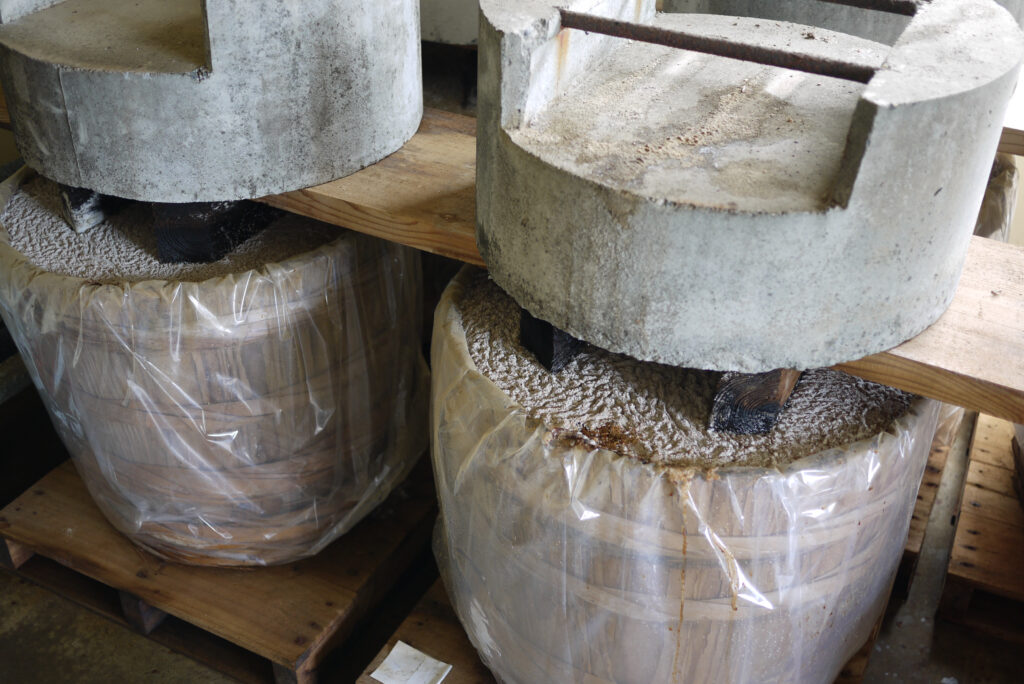
Historically, fermentation allowed food to be stored safely throughout changing seasons.
Over time, producers discovered that longer fermentation often produced even better flavors.
Rather than simply preventing spoilage, fermentation became a method of craftsmanship.
Each producer gradually refined techniques unique to their region.
Climate, local microorganisms, water quality, and aging conditions all influenced the final product.
As a result, Japanese fermented foods became incredibly diverse despite using relatively simple ingredients such as soybeans, rice, wheat, and salt.
This regional diversity remains one of the greatest strengths of Japanese cuisine today.
Umami Through Time
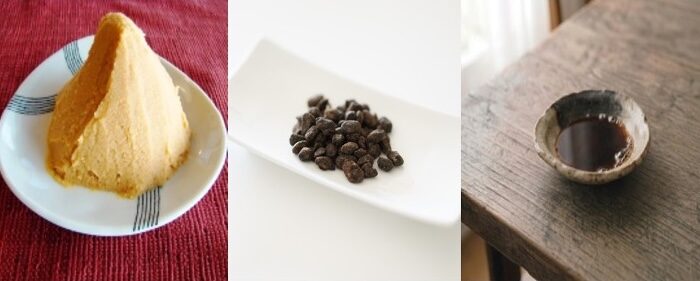
Unlike fresh foods that are enjoyed immediately after harvest, fermented foods continue developing character over time.
This gradual transformation is one reason professional chefs value them so highly.
Instead of contributing a single dominant flavor, fermented ingredients introduce multiple layers that unfold gradually while eating.
Authentic Hamanatto demonstrates this principle beautifully.
After nearly a year of natural fermentation, each soybean develops concentrated umami, a firm texture, and an aroma unlike ordinary natto.
Other Japanese fermented foods achieve similar depth through entirely different methods, creating an extraordinary variety of flavors across Japanese cuisine.
What You’ll Discover in This Guide
Japanese fermentation extends far beyond the ingredients most people already know.
In the following sections, we’ll explore ten of Japan’s most remarkable fermented foods, explaining what makes each one unique, how they are traditionally enjoyed, and why chefs around the world continue discovering new ways to use them.
Whether you are completely new to Japanese cuisine or already familiar with miso and soy sauce, these ingredients reveal just how diverse Japan’s fermentation culture truly is.
Chef’s Verdict
“Japanese fermentation is not about making food stronger—it is about making flavor deeper. Every traditional ingredient tells a different story of patience, craftsmanship, and naturally developed umami.”
1. Authentic Hamanatto
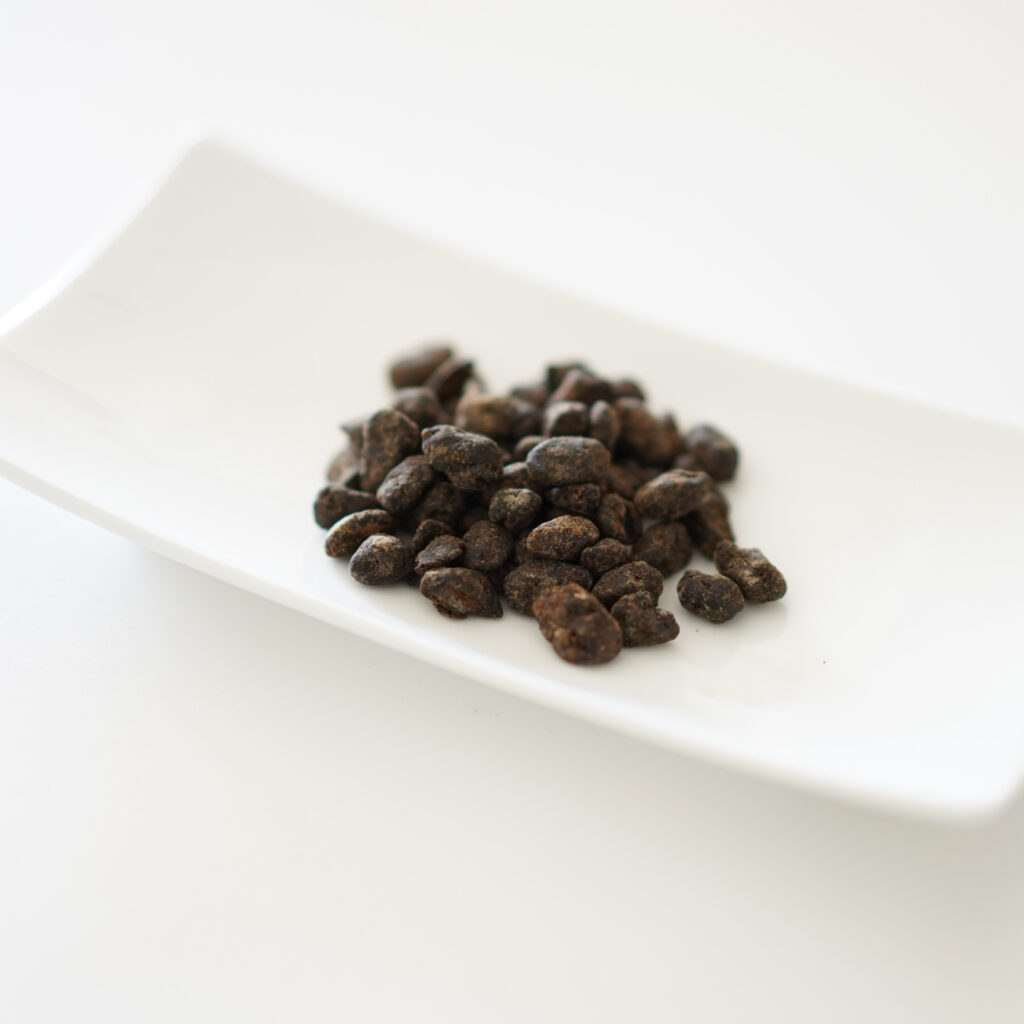
Among Japan’s many fermented foods, authentic Hamanatto remains one of the rarest.
Unlike ordinary natto, Hamanatto is naturally fermented using koji mold and then aged for nearly a full year.
During this extended maturation, the soybeans gradually lose moisture while developing an exceptionally concentrated umami.
Each bean remains firm and chewy rather than sticky, creating a completely different eating experience from fresh natto.
Its rich flavor pairs beautifully with steamed rice, grilled meats, pasta, cheese, and even modern fine dining cuisine.
Because only a small number of traditional producers continue making authentic Hamanatto, it remains difficult to find outside Japan.
For many chefs, discovering Hamanatto is like discovering an entirely new category of fermented ingredient.
2. Miso
Miso is perhaps Japan’s most internationally recognized fermented food.
Made by fermenting soybeans with koji and salt, miso develops a remarkable range of flavors depending on its ingredients and aging period.
White miso tends to be sweeter and milder.
Red miso delivers a richer, deeper taste.
Long-aged miso often develops remarkable complexity that chefs use not only in soups but also in marinades, sauces, desserts, and modern fusion cuisine.
Its versatility makes miso one of the essential foundations of Japanese cooking.
3. Naturally Brewed Soy Sauce
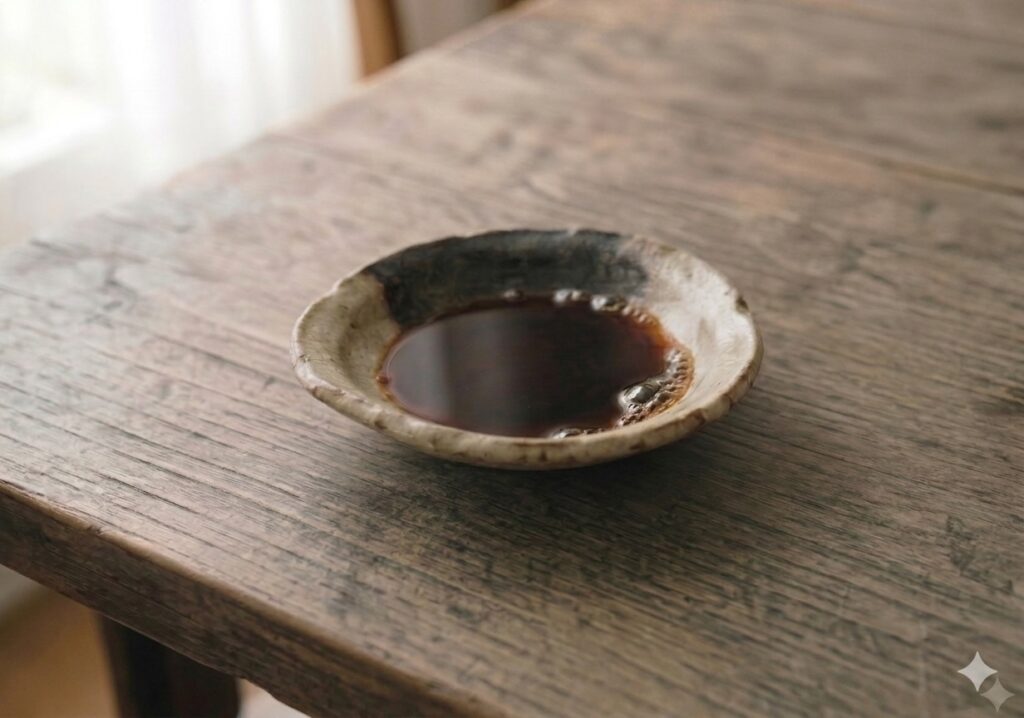
Authentic Japanese soy sauce is far more than a salty seasoning.
Traditional producers ferment soybeans and wheat naturally over many months, allowing microorganisms to create hundreds of aromatic compounds.
The result is a balanced combination of saltiness, sweetness, acidity, and umami.
Premium naturally brewed soy sauce enhances ingredients without masking their original flavors.
For this reason, many chefs treat artisan soy sauce almost like a finishing sauce rather than a simple condiment.
4. Natto
Ordinary natto may be one of Japan’s most famous fermented foods, yet it remains one of the most misunderstood outside the country.
Its sticky texture and distinctive aroma often surprise first-time visitors.
Despite these characteristics, natto is appreciated for its nutritional value and rich umami.
Served most commonly with steamed rice, it has become a traditional breakfast throughout many regions of Japan.
Although both products begin with soybeans, natto and Hamanatto represent entirely different fermentation traditions.
Comparing the two highlights the remarkable diversity within Japanese fermentation culture.
5. Rice Vinegar
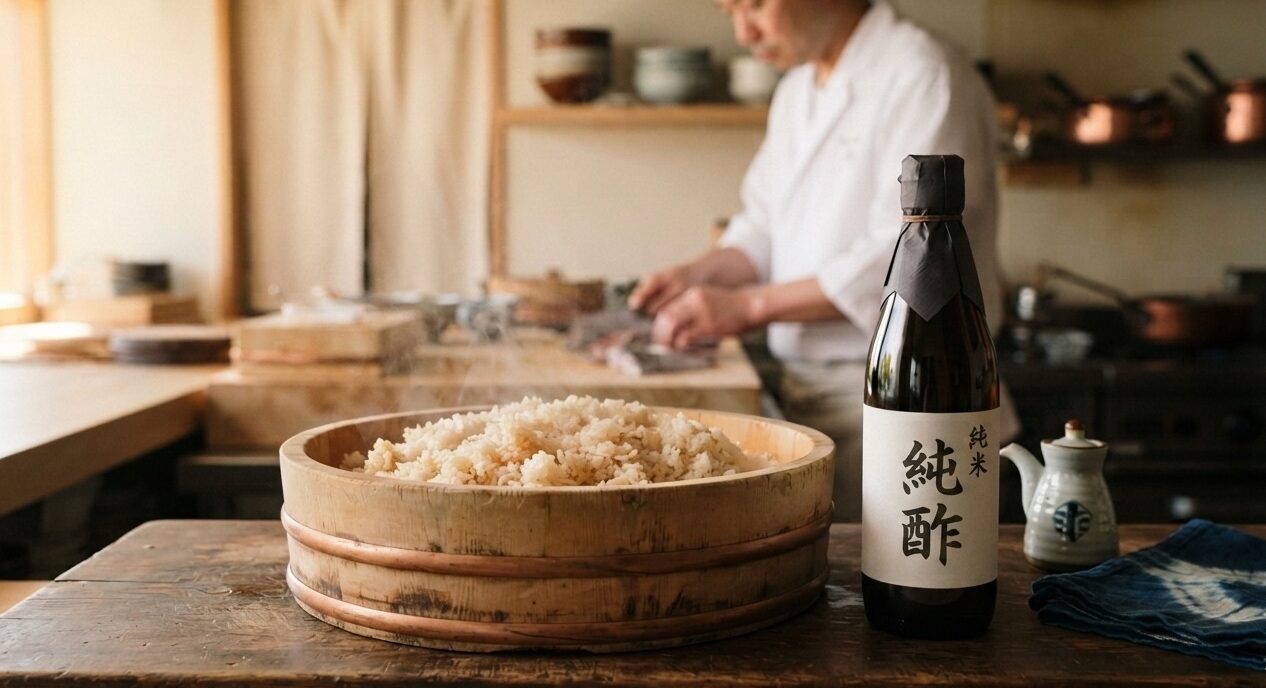
Rice vinegar provides a lighter and more delicate acidity than many Western vinegars.
Produced through the fermentation of rice, it contributes subtle sweetness while maintaining refreshing balance.
It plays an essential role in sushi rice, pickled vegetables, dressings, and countless traditional Japanese dishes.
Rather than dominating flavor, rice vinegar supports the overall harmony of a meal.
This understated elegance reflects a characteristic shared by many Japanese fermented ingredients.
A Shared Philosophy
Although these five ingredients taste very different, they share the same underlying philosophy.
None rely on artificial flavor enhancement.
Instead, each develops its character gradually through natural fermentation.
Time, carefully selected ingredients, and skilled craftsmanship transform simple raw materials into foods with extraordinary depth.
This philosophy has defined Japanese cuisine for centuries and continues inspiring chefs around the world today.
Chef’s Verdict
“The beauty of Japanese fermentation lies in its diversity. From the bold complexity of authentic Hamanatto to the delicate elegance of rice vinegar, every ingredient reveals a different expression of naturally developed umami.”
6. Sake
Although many people know sake as Japan’s national alcoholic beverage, fewer realize that it is also one of the country’s finest examples of fermentation.
Premium sake begins with only four ingredients: rice, water, koji, and yeast.
Over weeks of careful fermentation, these simple components develop remarkable layers of fruitiness, sweetness, acidity, and umami.
Different polishing ratios, rice varieties, and brewing methods produce dramatically different styles.
Some sake pairs beautifully with delicate seafood, while others complement aged cheeses, grilled meats, or rich fermented dishes such as Hamanatto.
For food lovers, sake is more than a drink—it is another expression of Japanese fermentation craftsmanship.
7. Tsukemono (Japanese Pickles)
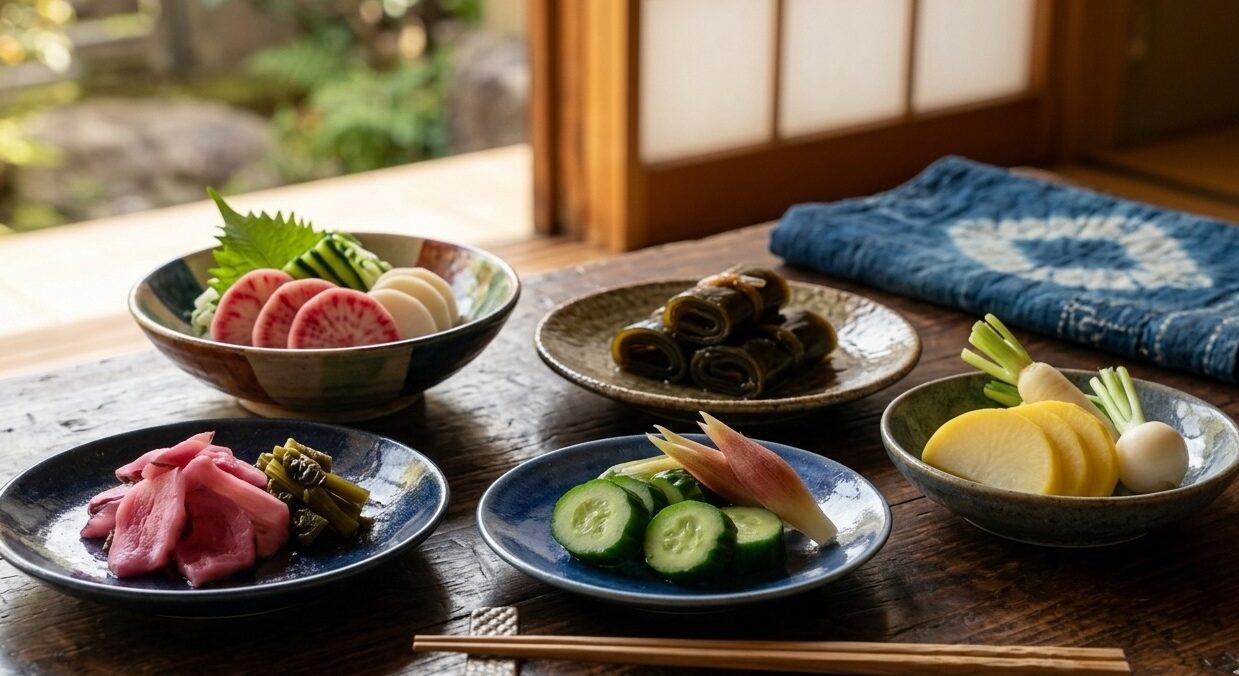
Japanese pickles, known as tsukemono, have accompanied traditional meals for centuries.
Unlike many Western pickles preserved mainly in vinegar, Japanese pickles use a wide variety of fermentation methods.
Vegetables may be fermented with rice bran (nukazuke), miso, salt, or koji.
Each technique creates its own unique balance of acidity, sweetness, aroma, and texture.
Beyond adding freshness to a meal, tsukemono provide contrast that enhances the overall dining experience.
Their diversity demonstrates how fermentation influences not only flavor but also texture and appearance.
8. Amazake
Amazake is often called one of Japan’s oldest fermented beverages.
Unlike sake, most traditional amazake contains little or no alcohol.
Koji enzymes naturally convert rice starch into gentle sweetness without requiring refined sugar.
The result is a creamy drink that has been enjoyed for centuries.
Today, amazake is appreciated both as a traditional beverage and as an ingredient in desserts, smoothies, sauces, and baked goods.
Its naturally sweet flavor demonstrates another fascinating side of Japanese fermentation.
9. Shio Koji
Shio koji has become increasingly popular among professional chefs over the past decade.
Made from rice koji, salt, and water, it functions as both a seasoning and a natural marinade.
The enzymes gently break down proteins, improving tenderness while increasing umami.
Meat, fish, and vegetables all benefit from a short period of marination in shio koji.
Because of its versatility, many restaurants now consider it an essential ingredient for modern Japanese cooking.
10. Fermented Seafood Products
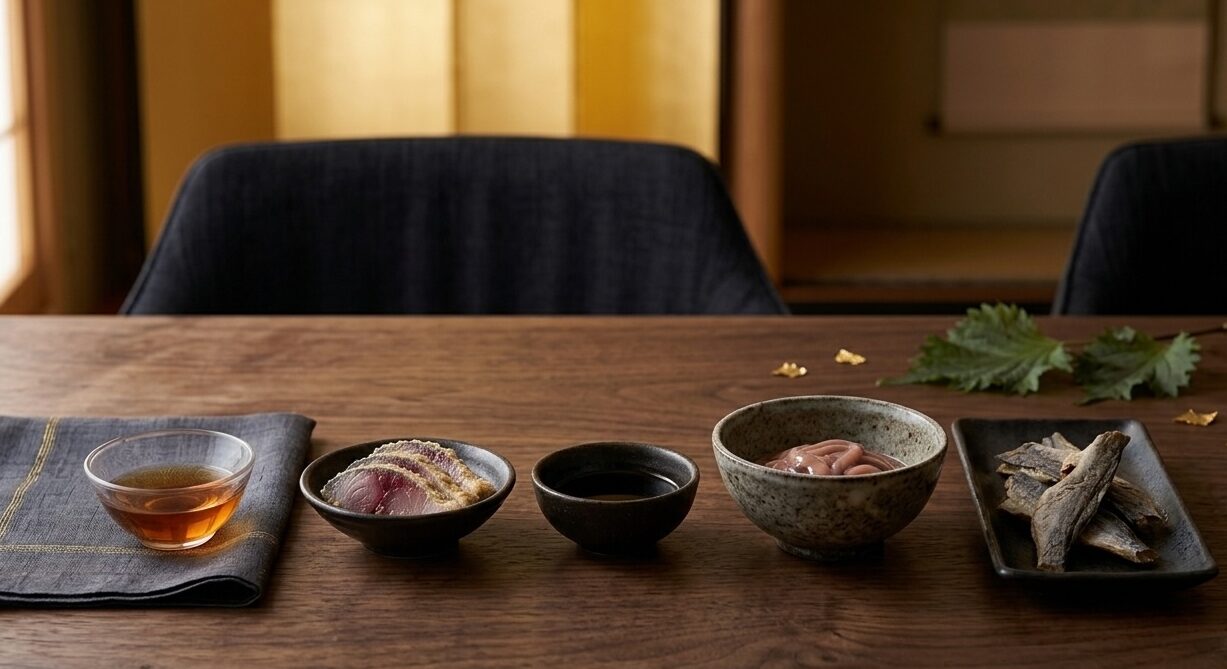
Japan also produces a variety of fermented seafood ingredients that remain relatively unknown internationally.
Products made from fermented fish, shellfish, or seafood extracts have traditionally been used to enrich soups, sauces, and regional dishes.
Although their flavors can be intense, only a small amount is needed to deepen overall umami.
These ingredients illustrate how Japanese fermentation extends far beyond soybeans and rice, embracing nearly every category of traditional food.
Which Japanese Fermented Food Should You Try First?
If you are completely new to Japanese fermentation, miso or naturally brewed soy sauce provide an excellent introduction.
Both are widely available and easy to incorporate into everyday cooking.
For adventurous food lovers seeking something genuinely different, authentic Hamanatto offers an unforgettable experience.
Its firm texture, concentrated umami, and remarkable history distinguish it from every other fermented soybean product.
Rather than replacing familiar ingredients, Hamanatto expands your understanding of what fermentation can achieve.
That is why many chefs describe it as one of Japan’s hidden culinary treasures.
Final Thoughts
Japanese fermentation is far more diverse than many people realize.
From the gentle sweetness of amazake to the bold complexity of authentic Hamanatto, each ingredient reflects centuries of craftsmanship and regional tradition.
Together they demonstrate a philosophy that values patience, natural transformation, and balance over speed or mass production.
For anyone interested in understanding Japanese cuisine more deeply, exploring these fermented foods is one of the most rewarding culinary journeys available.
Among them, authentic Hamanatto remains one of the rarest—and perhaps the most surprising—ingredient of all.
Chef’s Verdict
“The true richness of Japanese cuisine cannot be understood through one ingredient alone. Yet among Japan’s many fermented foods, authentic Hamanatto stands apart for its extraordinary patience, remarkable texture, and deeply concentrated umami. It is a hidden masterpiece of traditional fermentation.”
Related Articles
- What Is Hamanatto? Japan’s Hidden Fermented Food
- Why Authentic Hamanatto Is So Rare
- How to Eat Hamanatto
- Japanese Gourmet Gifts for Food Lovers
Discover Authentic Hamanatto
Ready to experience one of Japan’s rarest fermented foods?
Explore authentic Hamanatto crafted using traditional methods and discover why chefs and fermentation enthusiasts around the world continue to value its exceptional depth of umami.