

Where to Buy Authentic Hamanatto
Authentic Hamanatto is produced in very small quantities, making it one of Japan’s rarest traditional fermented foods.
Where to Buy Authentic Hamanatto
Authentic Hamanatto is surprisingly difficult to find.
Although Japan is famous for fermented soybean products, true Hamanatto is produced by only a handful of traditional manufacturers, making it one of the country’s rarest fermented foods.
For many people outside Japan, the biggest challenge is not deciding whether to buy Hamanatto—it’s knowing how to recognize the authentic product.
Search online for “Hamanatto,” and you’ll quickly discover that many products share similar names but are entirely different foods.
Some are ordinary sticky natto.
Others are fermented black soybeans inspired by Chinese Douchi.
Some are simply seasoned soybeans sold under regional names.
While these products may be delicious in their own right, they do not represent the centuries-old Japanese Hamanatto that professional chefs and fermentation enthusiasts seek.
Authentic Hamanatto follows a traditional production method that has changed very little over generations.
Whole soybeans are fermented with koji mold before being slowly aged for approximately one year.
During this extended maturation, moisture gradually evaporates while proteins continue breaking down into naturally occurring amino acids.
The result is a firm, dry fermented soybean with remarkable depth of flavor, a clean finish, and concentrated umami.
Because the production process is lengthy and labor-intensive, annual output remains extremely limited.
Unlike mass-produced condiments, authentic Hamanatto is not commonly stocked in supermarkets or convenience stores.
Instead, it is usually available through specialty producers, regional delicatessens, gourmet retailers, or direct sales from traditional manufacturers.
For international buyers, availability is even more limited.
Only a small number of Japanese specialty stores import authentic Hamanatto, and supplies are often seasonal or sold in small quantities.
As a result, purchasing directly from Japan is frequently the most reliable way to obtain a genuine product.
Understanding where to buy authentic Hamanatto begins with understanding what makes it authentic.
In the following sections, you’ll learn how to distinguish genuine Hamanatto from similar products, what labels to look for, and how to choose a producer you can trust.
How to Identify Authentic Hamanatto
Not every product labeled “Hamanatto” is genuinely traditional Hamanatto.
Because the name is unfamiliar to many international buyers, similar fermented soybean products are sometimes marketed under the same or similar names.
Learning how to identify authentic Hamanatto helps ensure that you experience the ingredient as Japanese chefs and food historians know it.
The first thing to examine is the ingredient list.
Traditional Hamanatto is remarkably simple.
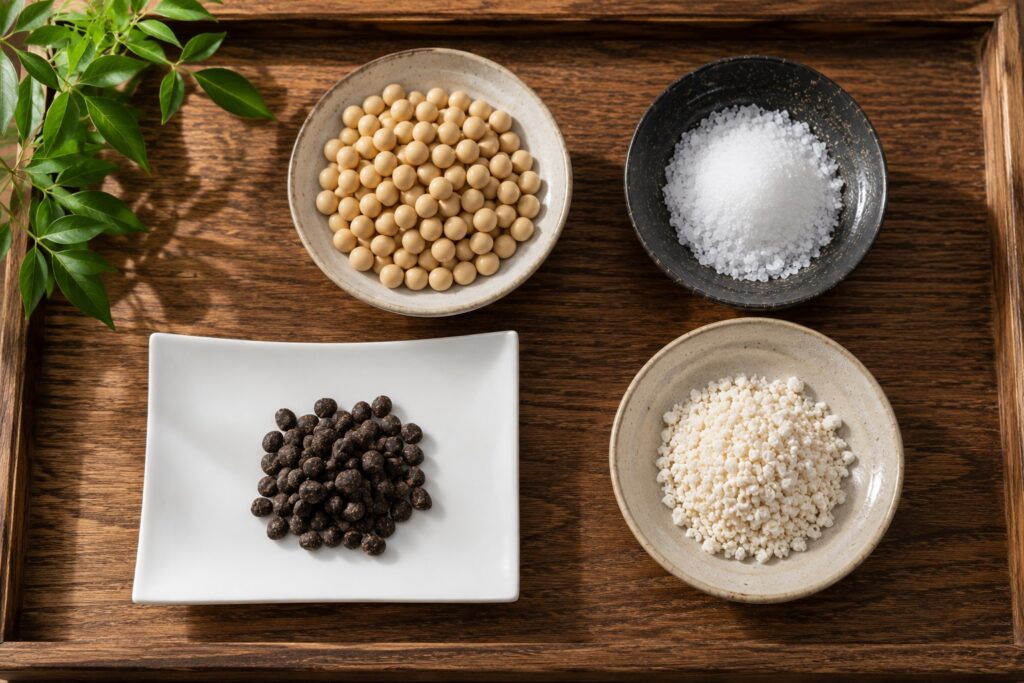
It is typically made from:
- Whole soybeans
- Salt
- Koji mold (Aspergillus oryzae)
- Water
No artificial flavorings, preservatives, or sweeteners are necessary.
Its rich umami develops naturally through months of fermentation and aging rather than added seasonings.
The second indicator is texture.
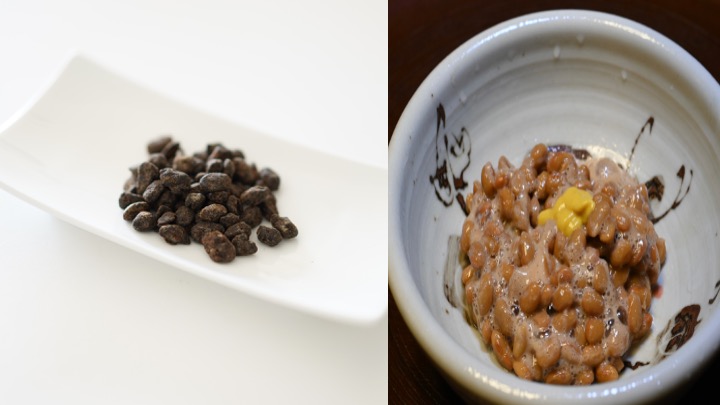
Unlike ordinary natto, authentic Hamanatto is completely dry and non-sticky.
Each soybean remains intact after fermentation, creating a firm, chewy texture that slowly releases flavor as you eat.
If the beans appear glossy, sticky, or covered with long strands, the product is almost certainly ordinary natto rather than Hamanatto.
Color also provides an important clue.
Traditional Hamanatto ranges from deep reddish-brown to nearly black.
This dark appearance is created naturally during extended aging as proteins and sugars slowly react over many months.
The beans should look mature rather than burnt, with a slight natural sheen instead of an oily surface.
Perhaps the most important characteristic is the production method.
Authentic Hamanatto is not simply fermented—it is aged.
Many traditional producers mature the soybeans for approximately one year, allowing enzymes to continue transforming proteins into amino acids that create deep, layered umami.
This lengthy aging process is one reason production remains extremely limited.
Finally, consider where the product originates.
Authentic Hamanatto has been associated with a small number of traditional producers in Japan for generations.
Buying directly from these established manufacturers or reputable specialty retailers provides far greater confidence than purchasing products with vague descriptions or unclear origins.
If a product claims to be “Japanese Hamanatto” but provides little information about its ingredients, fermentation method, or producer, it is worth investigating further before making a purchase.
Authentic Hamanatto is defined not only by its name but also by its craftsmanship.
Understanding these characteristics makes it much easier to recognize the genuine product wherever you encounter it.
Where Should You Buy Authentic Hamanatto?
Once you know how to recognize authentic Hamanatto, the next question becomes simple:
Where can you actually buy it?
The answer depends on where you live.
Within Japan, authentic Hamanatto is usually sold through traditional manufacturers, regional specialty food stores, selected department stores, and gourmet retailers.
Because annual production is limited, it is rarely stocked in ordinary supermarkets.
Outside Japan, the options become much narrower.
Some Japanese grocery stores occasionally carry Hamanatto, but availability is inconsistent and many products are imported only in small quantities.
For buyers in North America, Europe, and other parts of Asia, purchasing directly from a trusted Japanese producer is often the safest choice.
Buying directly offers several advantages.
You know exactly who produced the Hamanatto.
The production method is clearly explained.
The product is typically fresher because it has not remained in warehouses for extended periods.
Most importantly, you can be confident that you are receiving genuine Hamanatto rather than another fermented soybean product with a similar name.
Price is another consideration.
Because authentic Hamanatto requires approximately one year of natural fermentation, it is never an inexpensive ingredient.
The long aging process, careful craftsmanship, and extremely small production volume naturally increase its value.
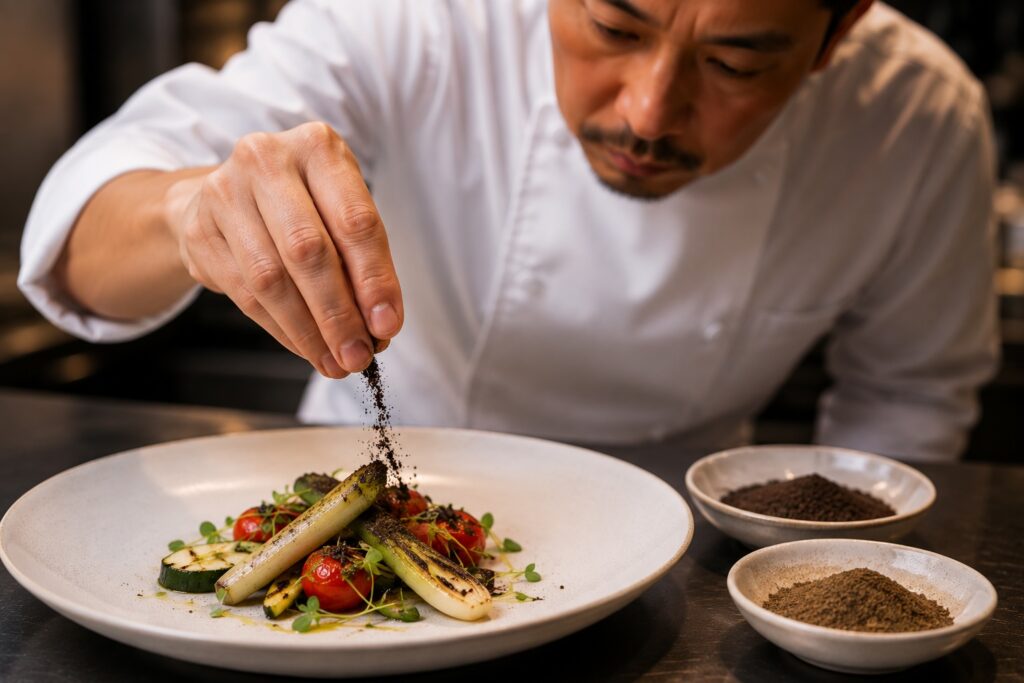
For this reason, professional chefs usually think of Hamanatto not as an everyday condiment, but as a premium ingredient used in small quantities to transform an entire dish.
A single spoonful may season several servings.
The cost per plate is often surprisingly low despite the product’s premium price.
When evaluating different sellers, look for information such as:
- Traditional Japanese production
- Long-term natural fermentation
- Clear ingredient list
- Producer information
- Storage recommendations
- International shipping details
Reliable producers are usually proud to explain their history and production methods.
Transparency is often one of the strongest signs of authenticity.
As global interest in Japanese fermentation continues to grow, authentic Hamanatto is gradually becoming easier to purchase internationally.
However, because production remains extremely limited, availability is still far lower than many other Japanese seasonings.
If you have the opportunity to purchase authentic Hamanatto from a trusted producer, you are not simply buying another condiment.
You are experiencing one of Japan’s oldest and most distinctive fermented foods—a product that continues to inspire chefs more than a thousand years after its origins.
Related Articles
If you’re new to Hamanatto, these guides may also be helpful: