The 1,500-Year History of Hamanatto
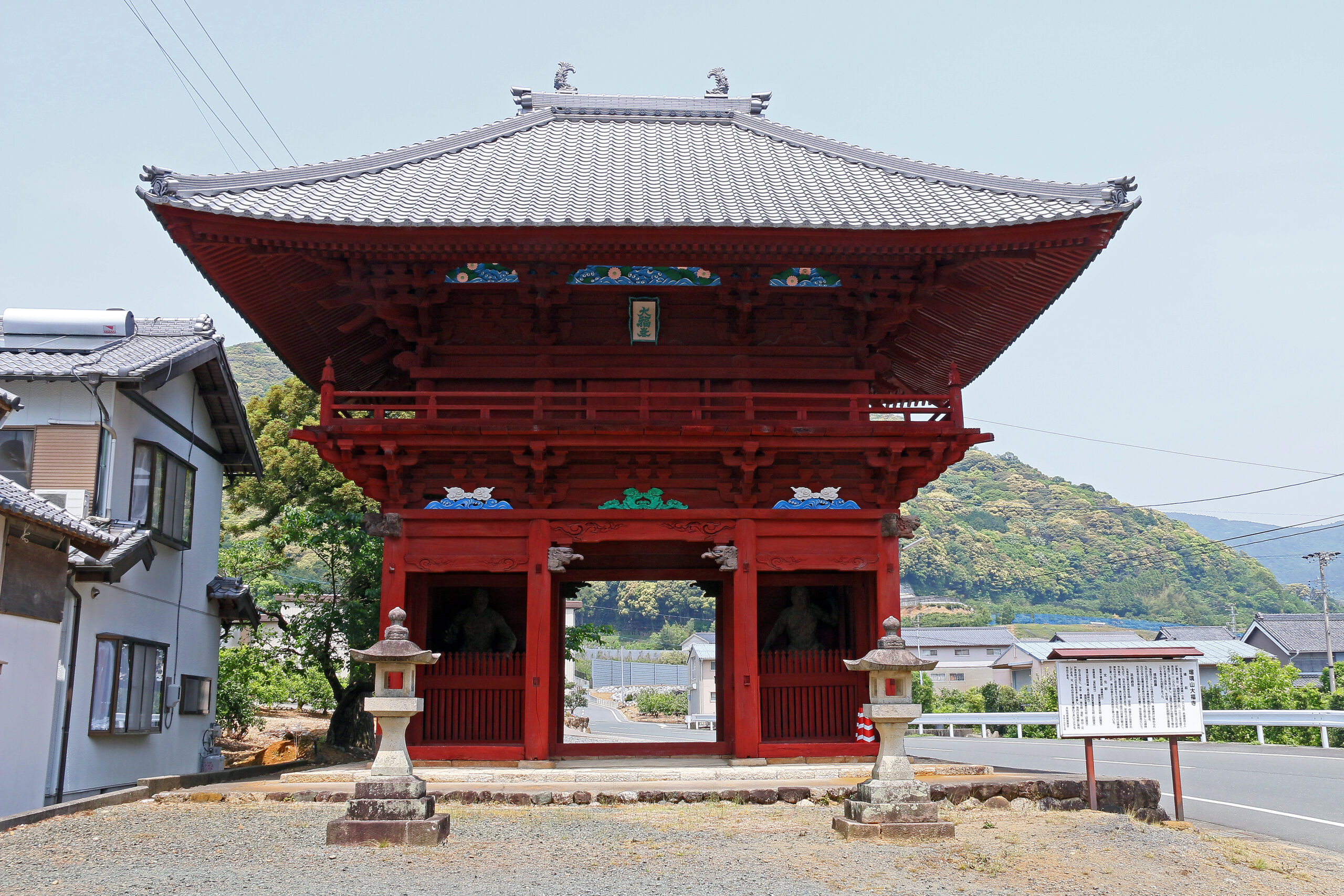
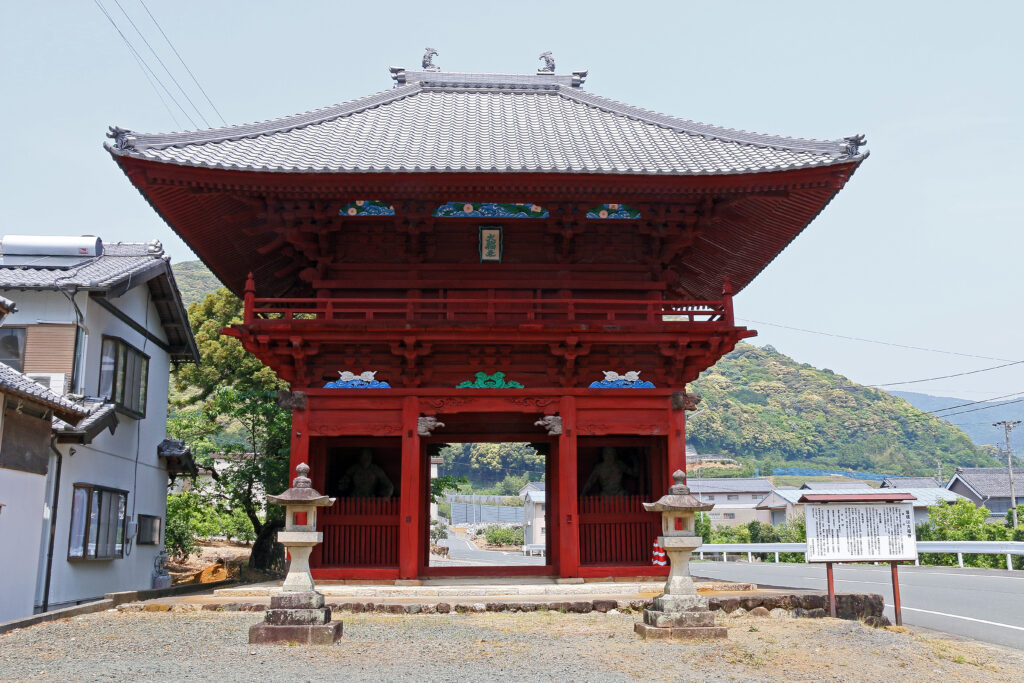
Daihukuji Temple has long been associated with the tradition of Hamanatto.
Introduction
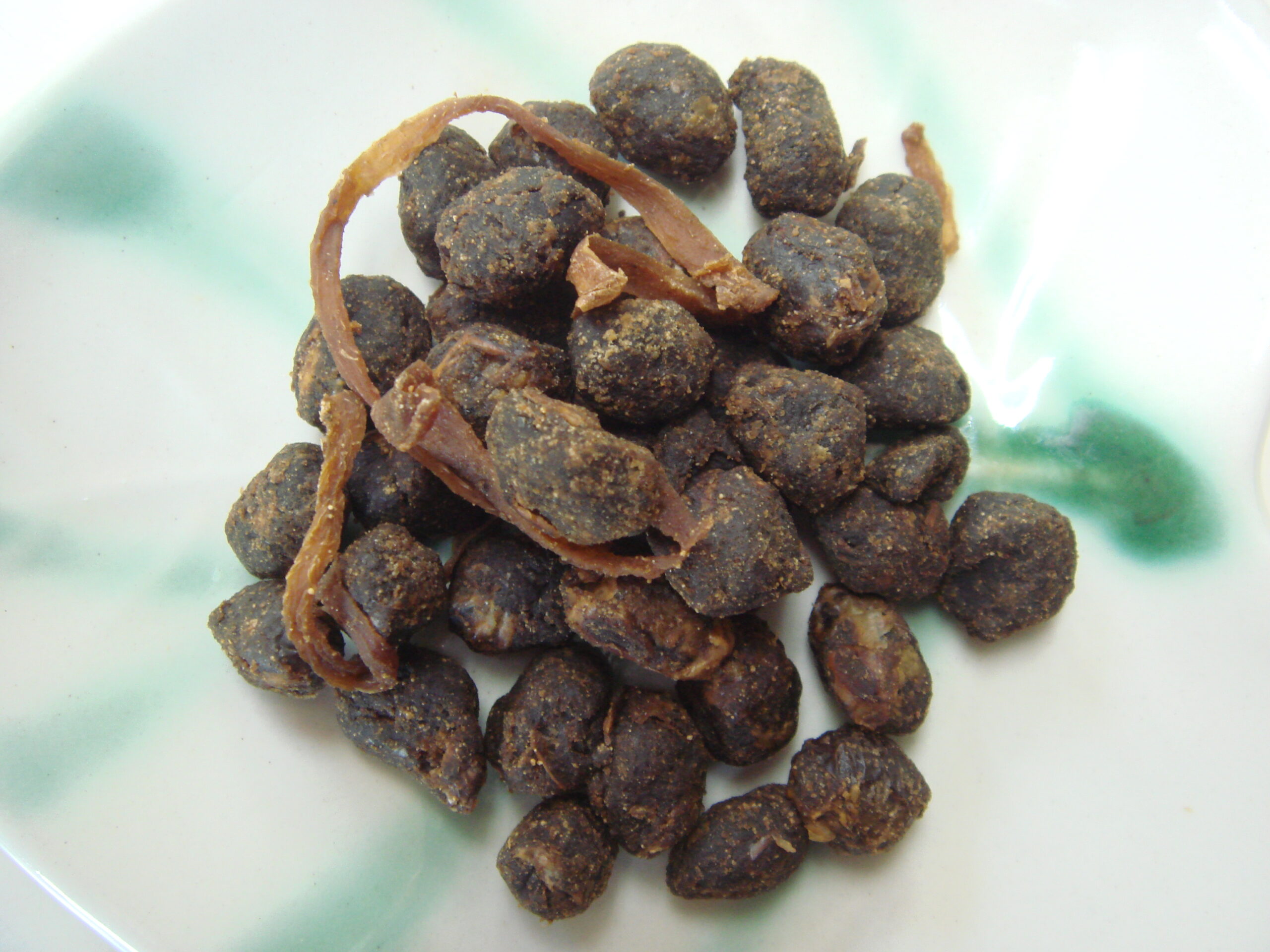
Hamanatto is more than a traditional Japanese food.
It is a living piece of history.
For over 1,500 years, this fermented soybean food has been carefully preserved through changing dynasties, cultural shifts, and generations of craftsmen.
Today, it remains one of Japan’s oldest surviving fermented foods and continues to represent the depth of Japanese culinary tradition.
Where Did Hamanatto Begin?
The story of Hamanatto begins with the spread of Buddhism across East Asia.
Around the sixth century, fermented soybean foods similar to Hamanatto were introduced to Japan by Buddhist monks.
These preserved foods were valuable because they were rich in flavor, easy to store, and suitable for temple life.
Over time, Japanese monks refined the production methods, gradually creating a product with its own distinctive character.
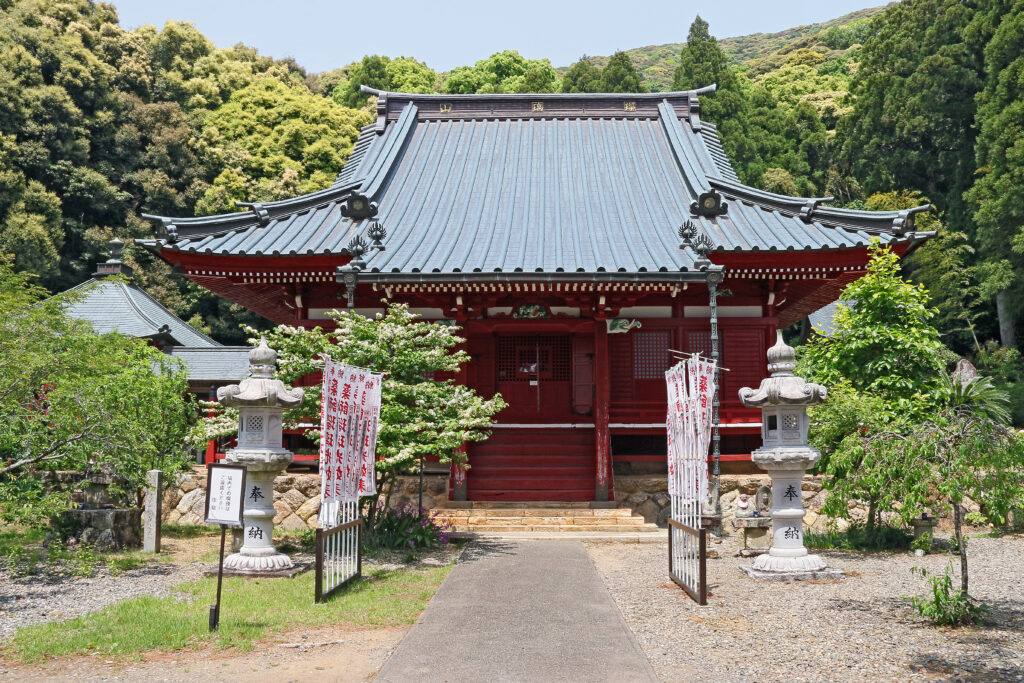
Temples played an important role in preserving traditional fermentation techniques.
A Tradition Connected to Temples
Many historical records connect Hamanatto with Buddhist temples, where fermentation techniques were carefully maintained.
Temples were not only places of worship but also centers of learning, agriculture, and food preservation.
The careful methods used by monks helped ensure that traditional fermentation skills were passed down over many generations.
More Than 1,500 Years of Craftsmanship
Unlike many modern foods, Hamanatto is still produced using techniques that closely resemble those developed centuries ago.
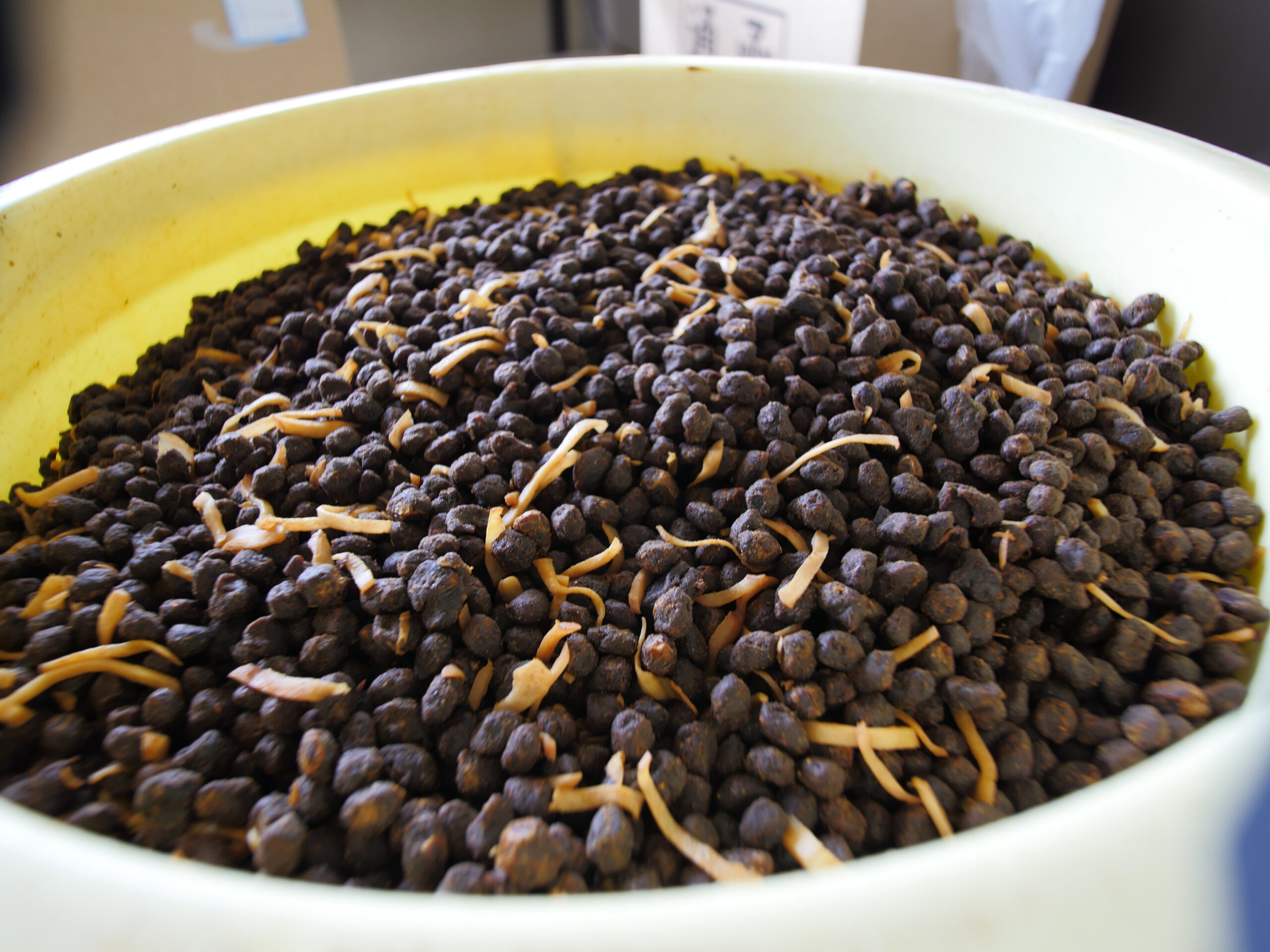
The soybeans are fermented slowly, allowing complex flavors to develop naturally.
This patience creates the deep umami and firm texture that distinguish Hamanatto from ordinary natto.
Today, production remains limited, making it a rare example of Japan’s living food heritage.
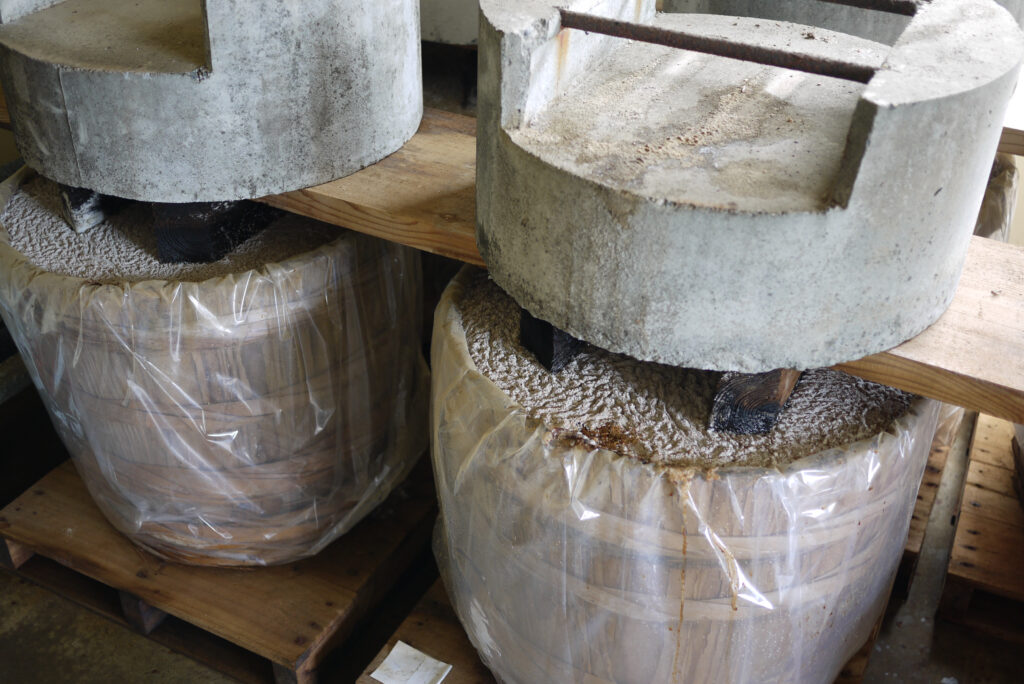
Long fermentation develops Hamanatto’s distinctive umami and texture.
Why This History Matters Today
For professional chefs, history is more than a story.
It often reflects generations of refinement.
Understanding the origins of Hamanatto provides valuable insight into why its flavor is so distinctive and why it continues to attract interest from chefs seeking authentic ingredients.
In a world where many traditional foods have disappeared, Hamanatto remains an exceptional example of culinary heritage preserved through craftsmanship.
Conclusion
Hamanatto has survived for more than fifteen centuries because people continued to value its flavor, practicality, and cultural significance.
Its history is not only part of Japan’s past—it is also part of its future.
As more chefs around the world discover traditional Japanese fermentation, Hamanatto has the opportunity to inspire a new generation of culinary creativity.
Discover Hamanatto
Interested in learning more about this remarkable fermented food?
➡ Read: What Is Hamanatto?
Or, if you’d like to experience its unique flavor yourself,