Hamanatto and Cheese
The Unexpected Umami Pairing Loved by Chefs
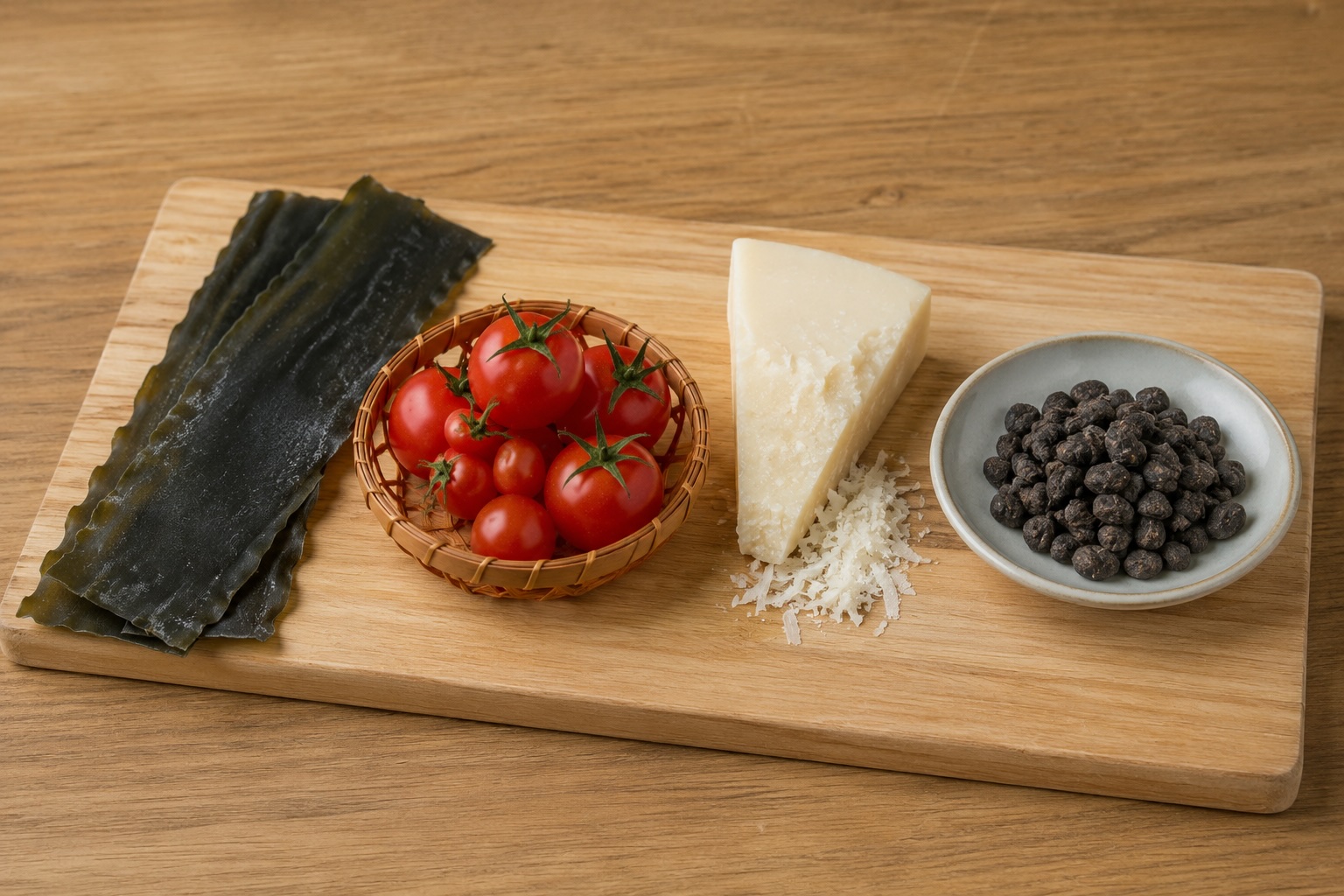
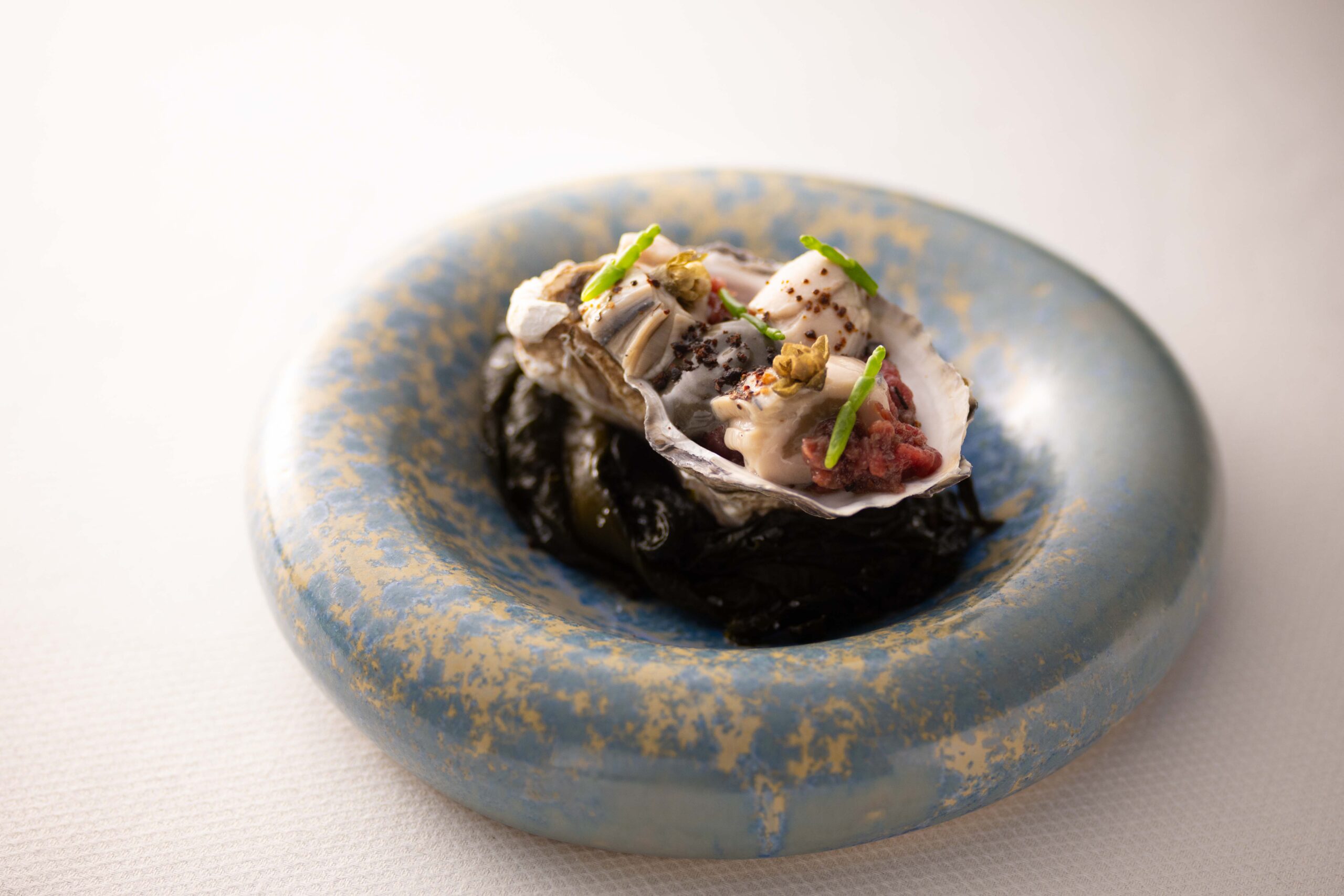
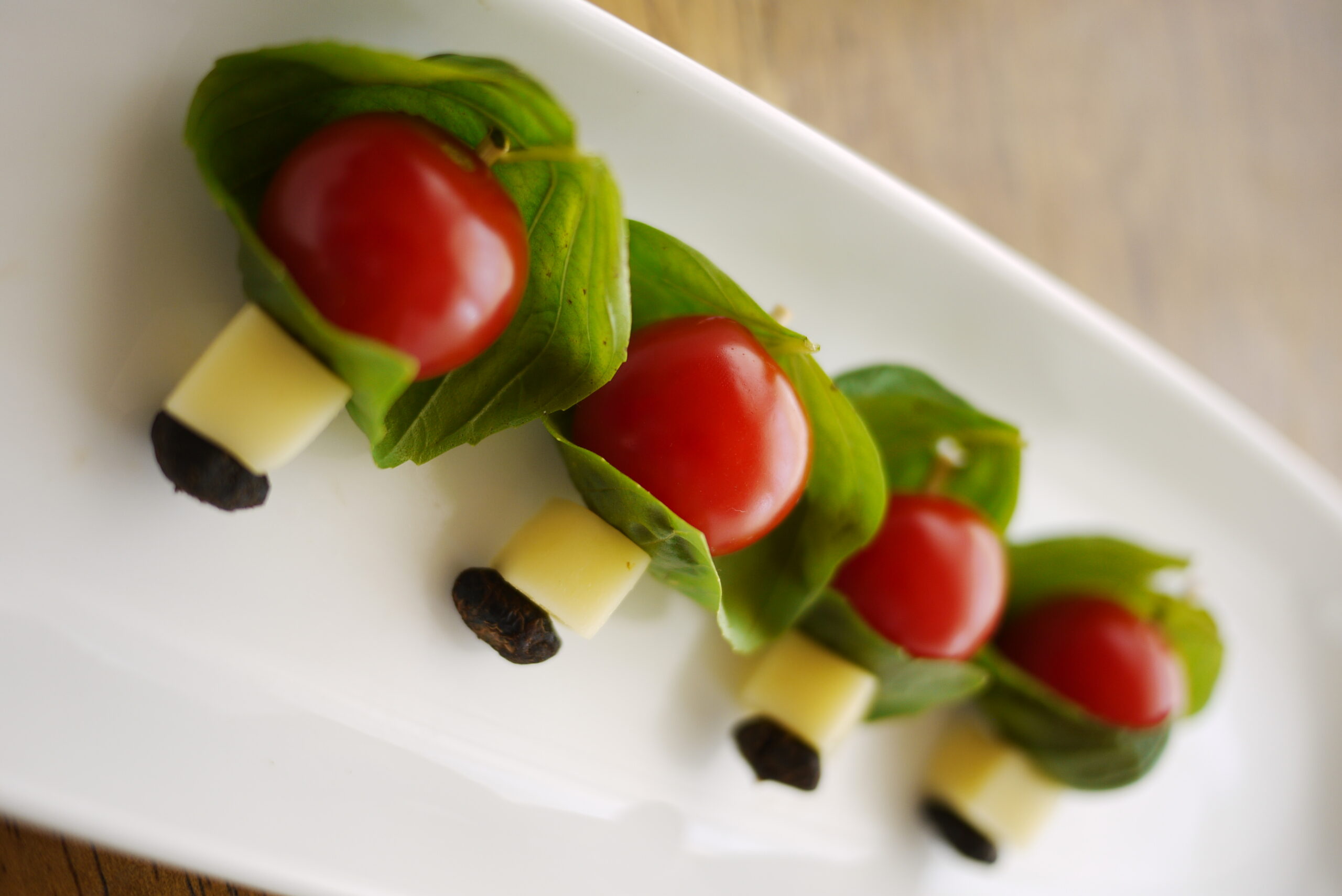
Hamanatto and cheese may sound like an unusual combination.
One is a traditional Japanese fermented soybean food.
The other is one of the world’s best-known fermented dairy foods.
Yet they share something important.
Both are foods in which time, microorganisms, enzymes, salt, and aging transform relatively simple raw ingredients into intensely flavored foods.
This is one reason Hamanatto can work surprisingly well with cheese.
But the most interesting part is not simply that both foods are fermented.
It is what happens when their flavors meet.
Hamanatto brings concentrated soybean umami, saltiness, a firm texture, and a mature fermented aroma.
Aged cheese can bring richness, fat, salt, acidity, and its own layers of savory flavor.
Together, these characteristics can create a deeper flavor experience than either ingredient provides on its own.
- My First Impression of Hamanatto
- Why Hamanatto Reminds Me of Aged Foods
- Why Hamanatto and Cheese Work Together
- The Role of Umami
- Aged Cheese Is the Most Natural Starting Point
- My Tasting Experience: Texture Changes the Pairing
- Hamanatto and Parmesan
- Hamanatto and Pasta
- Hamanatto, Cheese, and Mushrooms
- The Flavor Develops in Stages
- A Meeting of Two Fermentation Traditions
- What Kind of Cheese Should You Avoid?
- How to Taste Hamanatto With Cheese
- Why This Pairing Could Interest Chefs
- Chef’s Verdict
- Try Authentic Hamanatto
- Continue Reading
- Final Thoughts
- References
My First Impression of Hamanatto
Before talking about the pairing, it is important to understand what Hamanatto actually feels like when you eat it.
Unlike ordinary sticky natto, Hamanatto does not surround the bean with long strings.
The bean itself remains firm.
When I bite into Hamanatto, there is an initial resistance.
It does not immediately collapse in the mouth.
As I continue chewing, however, the bean gradually becomes softer.
The flavor also develops gradually.
At first, the impression is savory and salty.
Then the deeper fermented character becomes more noticeable.
As I continue chewing, the flavor becomes increasingly complex and persistent.
This gradual development is one of the characteristics that makes Hamanatto particularly interesting as a tasting ingredient.
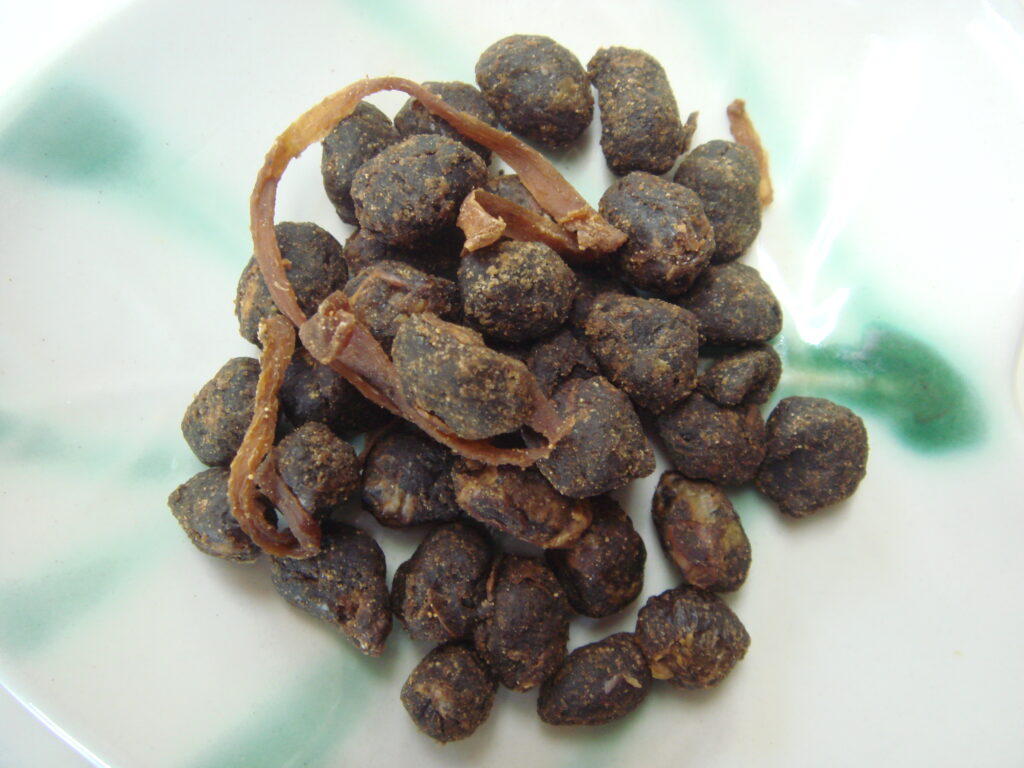
A Texture That Changes While You Chew
The texture is one of the things that surprised me most.
Hamanatto is firm enough to require chewing, but it does not remain hard.
Instead, the bean gradually softens.
That means the eating experience changes from the first bite to the final chew.
The flavor does not seem to arrive all at once.
It unfolds.
For me, this is an important part of what distinguishes Hamanatto from ordinary natto.
Why Hamanatto Reminds Me of Aged Foods
One of the most interesting things about eating Hamanatto is that its flavor does not remind me only of other soybean foods.
Its mature character can bring to mind other aged foods.
Depending on the product and fermentation conditions, the aroma may suggest roasted soybeans, soy sauce, miso, toasted nuts, or aged cheese.
That does not mean Hamanatto literally tastes like cheese.
Rather, the comparison comes from the way fermentation and aging can create depth and persistence.
Fermentation Creates Complexity
This is where the connection with cheese becomes interesting.
Aged cheese develops its character through the transformation of milk during fermentation and aging.
Hamanatto reaches its own complex sensory character through a completely different raw material and fermentation tradition.
One begins with milk.
The other begins with soybeans.
But both demonstrate what can happen when microorganisms, enzymes, salt, and time transform food.
Why Hamanatto and Cheese Work Together
The pairing works because the two foods bring different strengths to the same bite.
Hamanatto provides:
- Soybean-based umami
- Saltiness
- Fermented aroma
- Firm texture
- A concentrated savory finish
Cheese can provide:
- Fat
- Creaminess
- Salt
- Acidity
- Milk-derived savory flavors
- A soft, firm, or crumbly texture depending on the cheese
These characteristics can complement one another.
The richness of cheese can provide a counterpoint to the intense fermented character of Hamanatto.
At the same time, Hamanatto can add another layer of savory depth to cheese.
The result is not necessarily a stronger version of either ingredient.
It is a different combination of flavors and textures.
The Role of Umami
There is also a scientific reason the pairing makes sense.
Hamanatto is a fermented soybean food in which enzymes and microorganisms transform soybean proteins and other components.
Protein breakdown can produce peptides and free amino acids, including glutamate, which contributes to umami.
Cheese undergoes its own biochemical transformation during fermentation and aging.
Proteins are broken down into smaller compounds, while other chemical processes contribute to its characteristic taste and aroma.
The two foods therefore arrive at a similar sensory territory through different routes.
Hamanatto develops savory depth from fermented soybeans.
Cheese develops savory depth from fermented and aged milk.
The result is not simply “more umami.”
It is the combination of different taste-active compounds, aromas, textures, saltiness, and richness.
Aged Cheese Is the Most Natural Starting Point
If you are trying Hamanatto with cheese for the first time, mature cheese is the most logical place to begin.
Young, mild cheeses can work, but their delicate flavor may be overwhelmed by Hamanatto.
Aged cheeses are more likely to have enough character to stand alongside it.
Good candidates for experimentation include:
- Aged Parmesan
- Mature hard cheeses
- Aged Gouda
- Mature cheddar
- Other firm, savory cheeses
The exact result will depend on the salt level and intensity of both ingredients.
Balance Matters
Hamanatto is already salty and concentrated.
A very salty cheese can therefore make the combination too aggressive.
A mature cheese with richness and some acidity can provide a better counterpoint.
The goal is not to make both ingredients compete for attention.
The goal is balance.
My Tasting Experience: Texture Changes the Pairing
This is where the pairing becomes particularly interesting from my own tasting experience.
When I eat Hamanatto by itself, the bean initially gives a gentle resistance.
It is noticeably firmer than ordinary sticky natto.
But as I continue chewing, the bean gradually softens.
At the same time, the flavor develops.
The savory and salty impression becomes deeper and more persistent.
From the First Bite to the Finish
The first bite gives me a clear impression of fermented soybean and salt.
As I chew, the texture changes.
The bean becomes softer and the flavor seems to spread more completely across the palate.
By the end of the chew, the fermented character has become much more prominent.
This is why I think texture is an important part of Hamanatto’s flavor experience.
The food does not simply deliver flavor.
It controls how that flavor is released during eating.
Why This Matters With Cheese
Cheese introduces a very different texture.
Depending on the cheese, it may be creamy, crumbly, firm, or slightly elastic.
Hamanatto adds a dense, chewy element.
This creates contrast within the same bite.
The cheese can provide richness at the beginning.
Hamanatto can continue developing as it is chewed.
That difference in timing makes the pairing more interesting than simply combining two strong flavors.
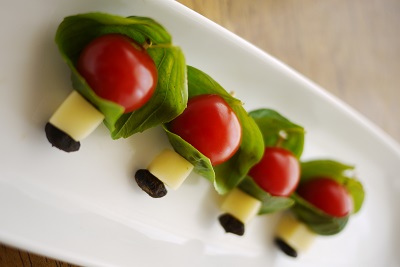
Hamanatto and Parmesan
Parmesan is one of the most natural cheeses to consider with Hamanatto.
Both ingredients have concentrated savory character.
Parmesan brings salty, nutty, mature dairy flavors.
Hamanatto brings fermented soybean umami and a distinctly Japanese character.
The important point is not that they taste the same.
They do not.
Their similarity is that both can be used in relatively small quantities to add depth to a dish.
Two Different Fermentation Traditions
Parmesan represents a long tradition of dairy fermentation and aging.
Hamanatto represents a very different Japanese tradition centered on fermented soybeans.
Putting them together creates an interesting meeting point between two culinary traditions.
Neither ingredient needs to replace the other.
They can simply contribute different layers to the same dish.
Hamanatto and Pasta
Pasta is an especially interesting application.
A small amount of finely chopped Hamanatto can introduce a Japanese fermented character into a dish that would otherwise rely on cheese, butter, olive oil, or other savory ingredients.
The key is restraint.
Too much Hamanatto can dominate the dish because of its saltiness and concentrated flavor.
A small amount can be more effective.
Adding Depth Without Changing the Identity of the Dish
For a chef, this creates an opportunity to experiment with a familiar Italian format while introducing a distinctly Japanese fermented ingredient.
The result does not have to become “Japanese pasta.”
Instead, Hamanatto can function as an additional layer of savory seasoning.
This approach allows the chef to preserve the identity of the original dish while adding something unexpected.
Hamanatto, Cheese, and Mushrooms
Mushrooms are another natural partner.
Mushrooms already have a pronounced savory character, and combining them with Hamanatto and cheese can create a particularly deep flavor profile.
For example, grilled mushrooms can be paired with:
- A small amount of Hamanatto
- A mature hard cheese
- Olive oil
- Fresh herbs
The mushroom provides its earthy character.
The cheese adds richness.
Hamanatto contributes fermented depth.
Hamanatto as a Background Ingredient
This combination demonstrates an important principle of Hamanatto.
It does not always need to be the main flavor.
It can function as a background layer that makes other ingredients seem more complex.
For chefs, that may be one of its most useful qualities.
The Flavor Develops in Stages
My experience of Hamanatto is that the flavor develops in stages.
The first impression is savory and salty.
Then the fermented character becomes more noticeable.
As chewing continues, the flavor becomes deeper and more persistent.
This gradual development is particularly useful when pairing Hamanatto with another strongly flavored food.
A Different Kind of Umami Experience
With cheese, this can create an interesting sequence.
The cheese may provide an initial impression of richness and creaminess.
Hamanatto then adds another layer of savory depth.
Finally, the fermented character can remain after the initial richness has faded.
The experience is therefore not just about flavor intensity.
It is also about how the flavor changes over time.
A Meeting of Two Fermentation Traditions
I would not describe Hamanatto and cheese as simply a novelty pairing.
The more interesting way to understand it is as a meeting of two fermentation traditions.
Cheese represents centuries of dairy fermentation and aging.
Hamanatto represents a different Japanese tradition built around soybeans, koji-related fermentation, salt, drying, and aging.
They come from very different culinary cultures.
But both demonstrate how microorganisms and time can transform relatively simple raw materials into concentrated sources of flavor.
Why This Matters to Chefs
This is where Hamanatto becomes particularly interesting for professional kitchens.
A chef does not necessarily need to use Hamanatto to create a Japanese dish.
It can be used to add another layer of savory complexity to an existing style of cuisine.
That makes the ingredient potentially useful far beyond traditional Japanese cooking.
What Kind of Cheese Should You Avoid?
Not every cheese will necessarily work equally well.
Extremely mild cheeses may disappear beside Hamanatto.
Very salty cheeses can make the combination excessively salty.
Strong blue cheeses create another challenge because their powerful aroma can compete heavily with the fermented character of Hamanatto.
That does not mean these combinations are impossible.
It simply means that balance becomes more difficult.
Start With a Balanced Cheese
For a first tasting, a mature but relatively balanced cheese is a better starting point.
This allows you to understand the interaction between the two ingredients before moving into more intense combinations.
Start small.
Taste.
Adjust.
That is the simplest way to discover the balance that works for you.
How to Taste Hamanatto With Cheese
The easiest way to explore the pairing is to keep the portions small.
Start with a small piece of cheese and an even smaller amount of Hamanatto.
Taste the cheese alone first.
Notice its saltiness, richness, acidity, and aroma.
Then taste Hamanatto by itself.
Pay attention to its firmness, saltiness, fermented aroma, and lingering savory character.
Finally, taste them together.
Questions to Ask While Tasting
Ask yourself:
- Does the cheese soften Hamanatto’s intensity?
- Does Hamanatto make the cheese seem more savory?
- Which flavor appears first?
- Which flavor remains longest?
- Does the texture of the two ingredients create an interesting contrast?
- Is the combination balanced?
- Does one ingredient overpower the other?
This approach turns the pairing into a tasting experience rather than simply mixing two ingredients.
Why This Pairing Could Interest Chefs
For professional chefs, the real attraction may be versatility.
Hamanatto can introduce Japanese fermentation without requiring a dish to become recognizably Japanese.
It can be incorporated into cuisines that already use aged cheese and other umami-rich ingredients.
Potential applications include:
- Pasta
- Risotto
- Mushroom dishes
- Grilled vegetables
- Sauces
- Meat dishes
- Cheese boards
- Savory spreads
- Finishing sauces
The Best Use May Be Subtle
The most interesting applications may be the ones where Hamanatto remains subtle.
Rather than announcing itself, it can become part of the dish’s deeper savory structure.
That makes it potentially useful as a chef’s seasoning ingredient rather than simply a specialty food served on its own.
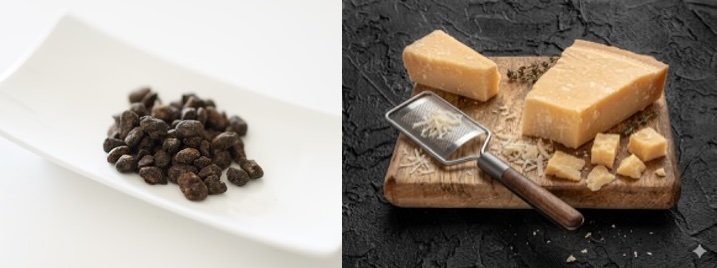
Chef’s Verdict
Hamanatto and aged cheese make sense together for a simple reason:
Both are concentrated fermented foods with layers of savory flavor created over time.
But the pairing becomes interesting because their textures and origins are completely different.
Cheese brings richness, creaminess, acidity, and mature dairy flavors.
Hamanatto brings firm texture, soybean umami, saltiness, and a deep fermented aroma.
From my own experience eating Hamanatto, its texture is an important part of the flavor.
The bean initially resists the bite.
Then it gradually softens.
As I continue chewing, the flavor becomes deeper and more persistent.
That makes Hamanatto particularly interesting alongside another aged ingredient.
The pairing is not about making Hamanatto taste like cheese.
It is about allowing two different kinds of fermentation to meet in the same bite.
Try Authentic Hamanatto
If you want to explore this pairing yourself, start with a small amount of Hamanatto and a mature cheese.
Keep the portions modest.
Taste each ingredient separately first, then taste them together.
Pay attention not only to the flavor, but also to the way the texture changes as you chew.
You may find that Hamanatto does not need to be used as a dominant ingredient.
A small amount can be enough to change the depth of a dish.
CTA:
Discover Authentic Hamanatto
Continue Reading
If this pairing has made you curious about Hamanatto, continue with:
- What Is Hamanatto? Japan’s Hidden Fermented Soybean Treasure
- The History of Hamanatto: From Temple Fermentation to Modern Japanese Cuisine
- What Does Hamanatto Taste Like? A Complete Tasting Guide
- How to Use Hamanatto: Traditional and Modern Applications
- Why Hamanatto Has Such Deep Umami: The Science Behind Its Flavor
- Hamanatto vs. Natto: What’s the Difference?
- Hamanatto vs. Miso: What’s the Difference?
Final Thoughts
Hamanatto and cheese come from completely different culinary traditions.
Yet both demonstrate the same fundamental idea:
Time can transform simple ingredients into foods with extraordinary depth.
Cheese develops complexity through the fermentation and aging of milk.
Hamanatto develops its own complexity through the fermentation, salting, drying, and aging of soybeans.
When the two are brought together, the result is not simply an unusual food pairing.
It is a meeting of two fermentation traditions.
And for chefs looking for new ways to build depth into a dish, that may be the most interesting thing about Hamanatto and cheese.
References
Umami Information Center
Used for background information on glutamate, umami, soybean fermentation, and the relationship between protein breakdown and free amino acids.

Research on Hamanatto Microbiology
Used for information on microorganisms associated with Hamanatto, including Aspergillus oryzae-type filamentous fungi and enzyme activity.

Research on Traditional Hamanatto Production
Used for information concerning fermentation, drying, salting, and aging in traditional Hamanatto production.