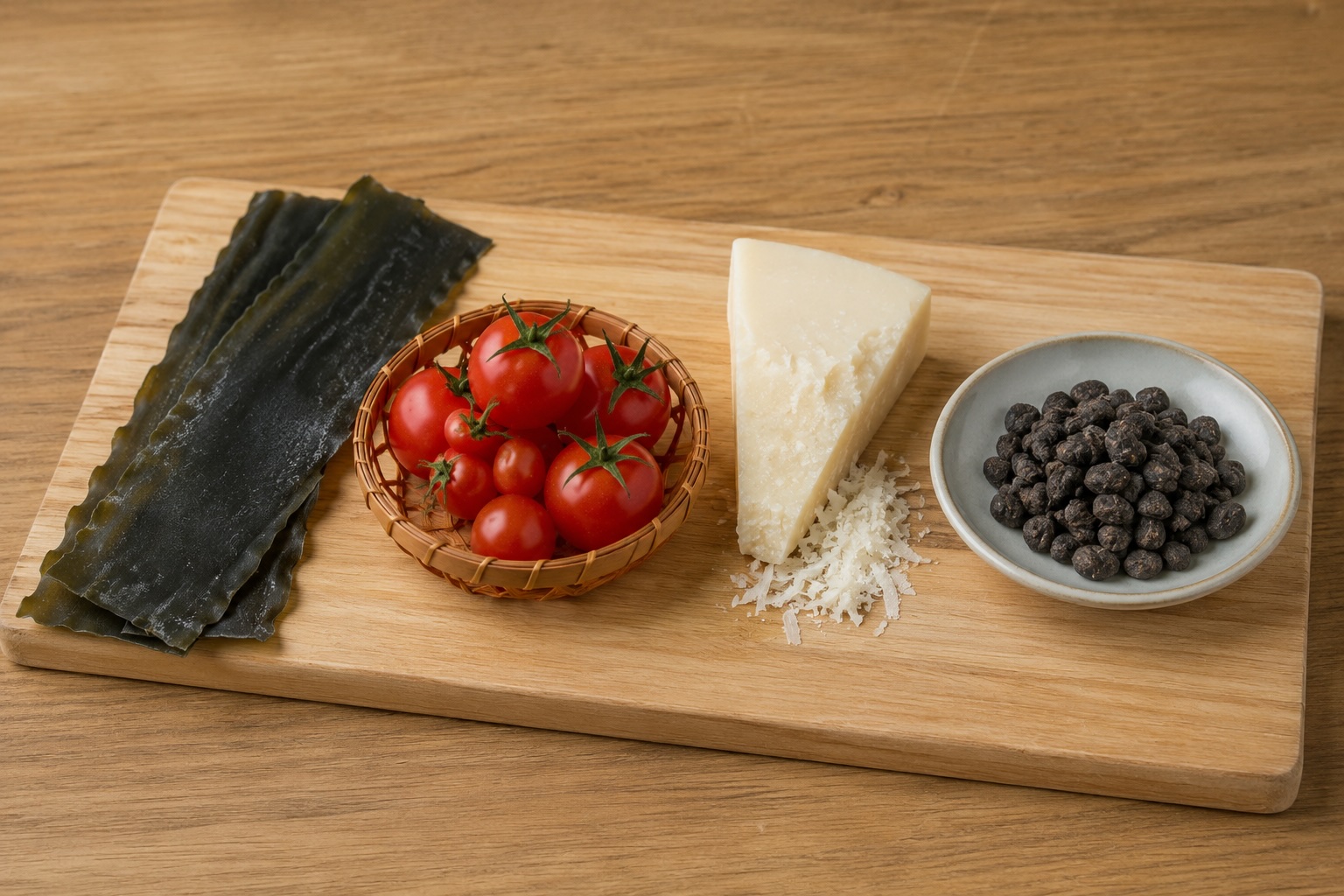

10 Delicious Ways to Enjoy Hamanatto
Traditional and Modern Serving Ideas
Hamanatto pairs beautifully with sake, rice, cheese, vegetables, and even pasta.
How to Enjoy Hamanatto
Many people discover Hamanatto for the first time and immediately wonder:
“How do Japanese people actually eat it?”
Unlike ordinary natto, Hamanatto isn’t mixed with rice using chopsticks.
Instead, it is enjoyed much like olives, aged cheese, or premium anchovies—a small amount delivers a powerful burst of umami.
Its rich flavor has been appreciated in Japan for centuries, especially as an accompaniment to sake and traditional meals.
In this guide, you’ll discover ten of the best ways to enjoy this unique fermented delicacy.
- 1. Eat It as a Sake Snack (Traditional Style)
- 2. With Steamed Rice
- 3. On Rice Porridge (Okayu)
- 4. Pair It with Cheese
- 5. Mix It into Pasta
- 6. Add It to Fresh Salads
- 7. Enjoy It with Cold Tofu
- 8. Top Pizza with Hamanatto
- 9. Serve It with Grilled Meat
- 10. Create Elegant Canapés
- Frequently Asked Questions
- Final Thoughts
- Continue Exploring Hamanatto
- Experience Authentic Hamanatto
1. Eat It as a Sake Snack (Traditional Style)

For hundreds of years, Hamanatto has been enjoyed alongside Japanese sake.
The reason is simple.
Hamanatto contains abundant amino acids developed during its year-long fermentation process.
Japanese sake also contains naturally occurring amino acids, particularly glutamic acid.
Together, they create an even richer umami sensation known as the umami synergy effect.
The bold, cheese-like flavor of Hamanatto pairs especially well with:
- Junmai sake
- Junmai Ginjo
- Aged sake (Koshu)
Because these sakes have enough body to stand up to Hamanatto’s intense flavor.
2. With Steamed Rice
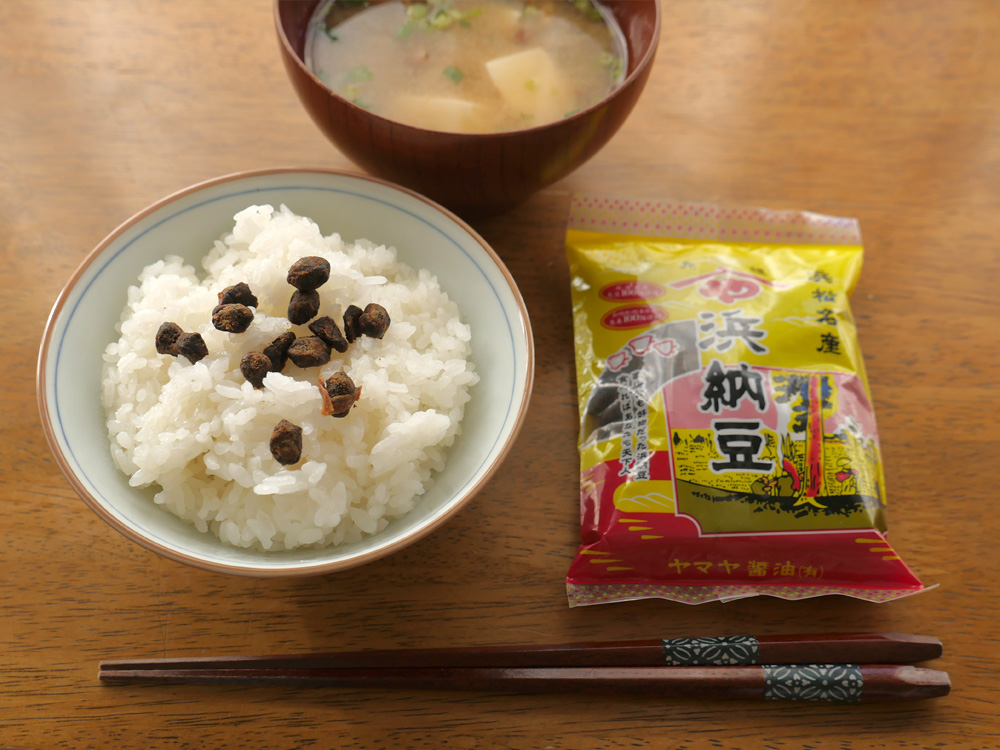
Perhaps the simplest way.
Place just a few beans over freshly cooked rice.
Its concentrated flavor means only a small amount is needed.
Unlike sticky natto, Hamanatto remains firm and chewy, adding texture as well as flavor.
3. On Rice Porridge (Okayu)
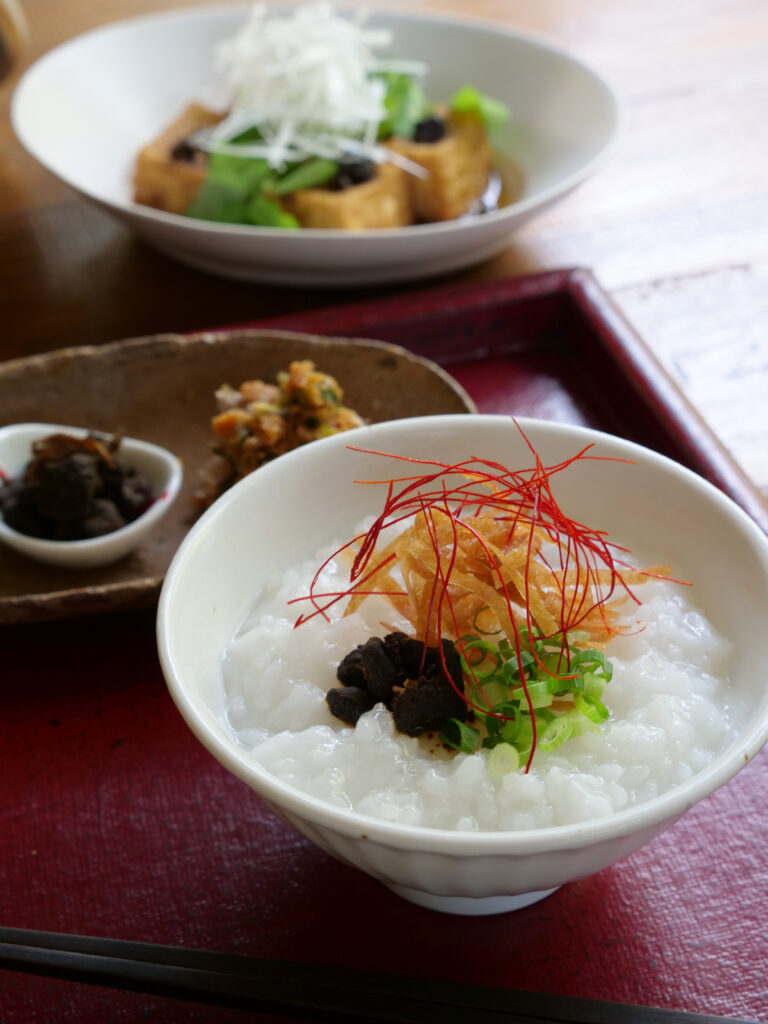
During Japan’s Edo period, Hamanatto was commonly eaten with rice porridge.
The mild flavor of okayu allows the fermented soybeans to shine.
This combination is still popular today, especially as a comforting breakfast.
Internal Link
Interested in why Hamanatto develops such intense umami?
Why Is Hamanatto So Rich in Umami?
4. Pair It with Cheese
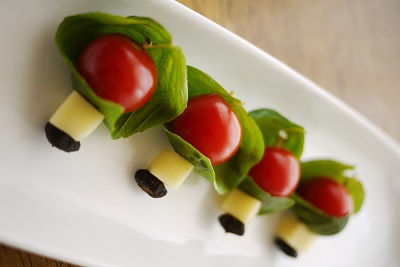
At first glance, Hamanatto and cheese may seem like an unusual combination.
In reality, they share many similarities.
Both are fermented foods that develop complex flavors through aging, making them excellent partners.
Creamy cheeses such as Brie or Camembert soften Hamanatto’s salty intensity, while aged cheeses like Parmesan create an explosion of umami.
Serve them together on a cheese board with crackers or toasted baguette for an elegant appetizer.
This pairing is especially popular among wine lovers looking for new flavor experiences.
5. Mix It into Pasta
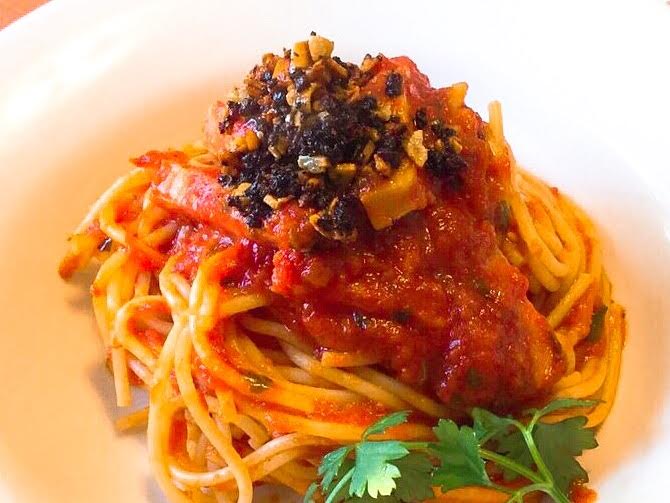
Hamanatto works surprisingly well in Italian-inspired dishes.
Finely chop several beans and toss them with:
- Olive oil
- Garlic
- Butter
- Parmesan cheese
The fermented soybeans melt into the sauce, creating a deep savory flavor similar to anchovies but with a distinctly Japanese character.
Unlike heavy cream sauces, this recipe highlights Hamanatto’s natural umami while remaining light and refreshing.
6. Add It to Fresh Salads
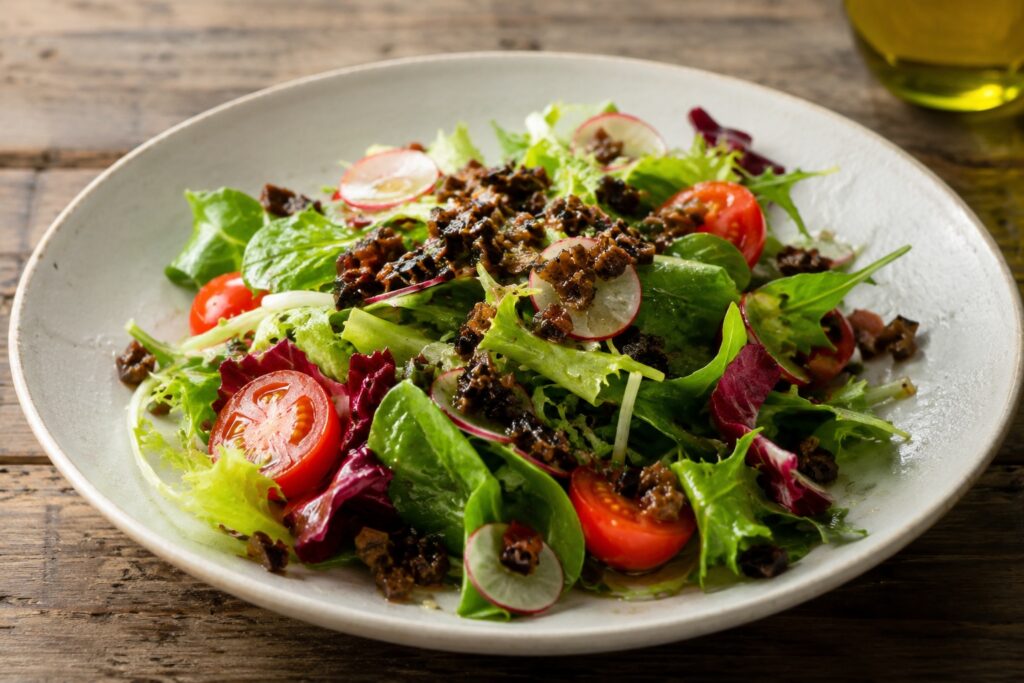
If you’re looking for a healthier option, try sprinkling chopped Hamanatto over a fresh green salad.
Its concentrated flavor means only a small amount is needed.
It pairs particularly well with:
- Tomatoes
- Avocado
- Cucumber
- Mixed greens
- Olive oil dressing
The contrast between crisp vegetables and rich fermented soybeans creates a balanced and satisfying dish.
7. Enjoy It with Cold Tofu
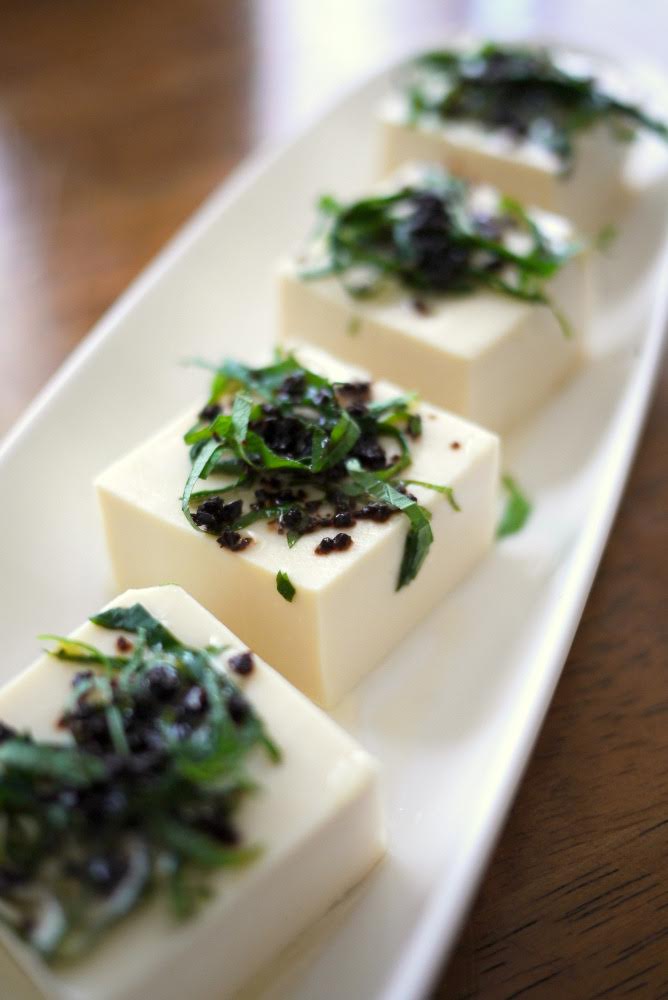
Cold tofu (Hiyayakko) is one of Japan’s simplest summer dishes.
Adding chopped Hamanatto transforms ordinary tofu into something far more flavorful.
Top with:
- Green onions
- Ginger
- Sesame oil
- Hamanatto
No soy sauce is usually needed because Hamanatto already provides plenty of seasoning.
Modern Cuisine Meets Traditional Fermentation
One reason Hamanatto is gaining attention among chefs is its incredible versatility.
Although it has been enjoyed for over 500 years in Japan, its bold umami flavor fits naturally into modern international cuisine.
Whether paired with cheese, pasta, or fresh vegetables, Hamanatto adds complexity that few ingredients can match.
This is one reason why many professional chefs are rediscovering this traditional fermented soybean.
If you’d like to learn why Hamanatto develops such extraordinary umami, read our detailed explanation:
➡ Why Is Hamanatto So Rich in Umami?
(Internal Link → Article 6)
Or discover the fascinating story behind this rare fermented food:
➡ The Origins of Hamanatto
(Internal Link → Article 4)
8. Top Pizza with Hamanatto
I

Hamanatto may not be a traditional pizza topping, but it works remarkably well.
Because it shares many flavor compounds with aged cheeses, it complements pizza naturally.
Try adding a small amount after baking together with:
- Mozzarella
- Mushrooms
- Garlic
- Fresh basil
The result is a pizza with a deep Japanese-inspired umami twist.
9. Serve It with Grilled Meat
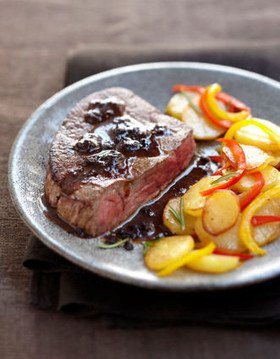
Instead of using steak sauce, try serving grilled beef with a few pieces of Hamanatto.
The fermented soybeans enhance the natural flavor of the meat without overpowering it.
It also pairs wonderfully with:
- Roast beef
- Grilled chicken
- Pork chops
- Lamb
Professional chefs often use fermented ingredients to increase complexity, and Hamanatto performs this role beautifully.
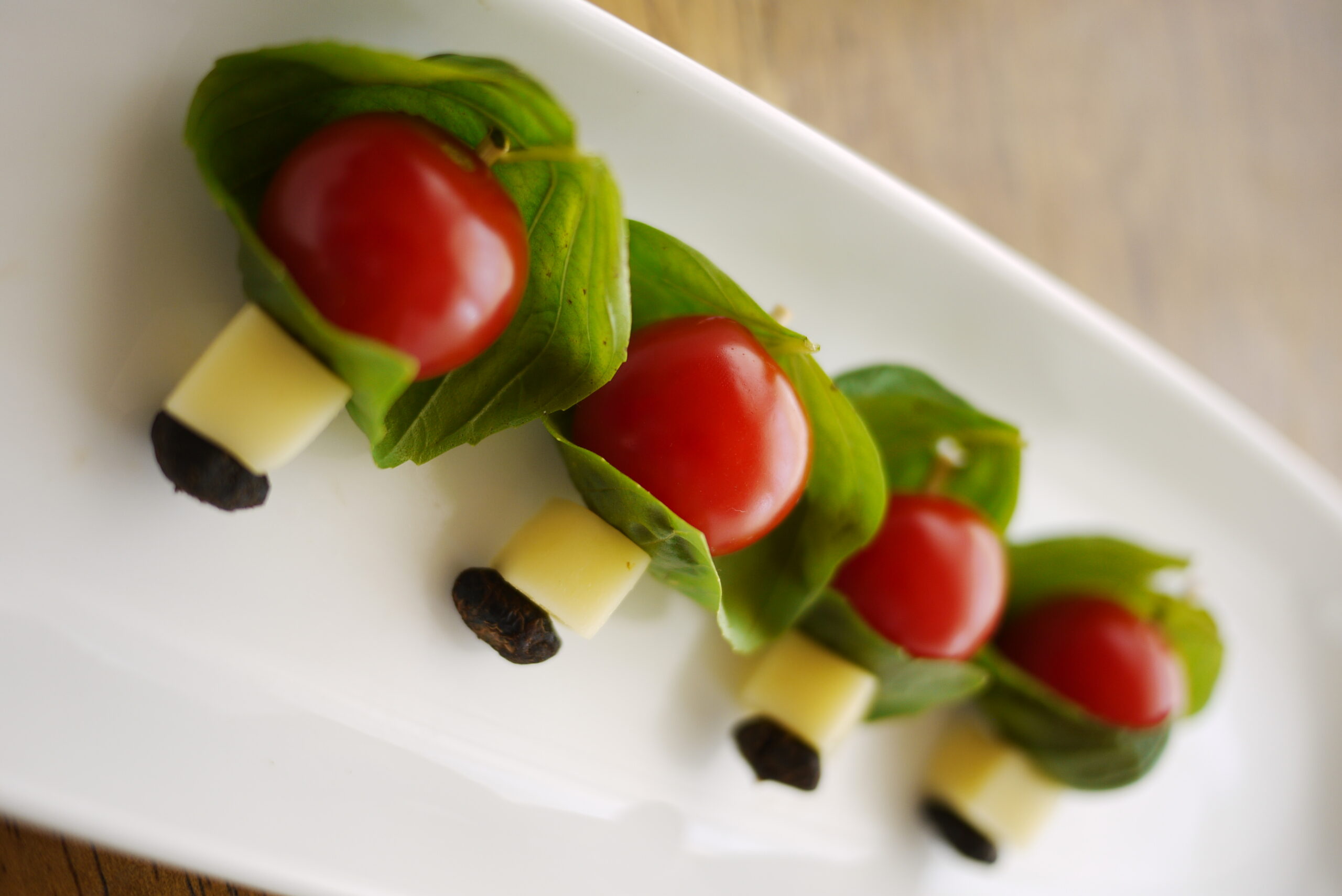
10. Create Elegant Canapés

For parties or wine tastings, Hamanatto makes an excellent canapé topping.
Simply place a few beans on:
- Crackers
- Cream cheese
- Brie
- Toasted baguette
Finish with a drizzle of olive oil or a small basil leaf.
The result is an elegant appetizer that surprises guests with its unique flavor.
Frequently Asked Questions
Does Hamanatto taste like regular natto?
No.
Unlike sticky natto, Hamanatto is firm, dry, and intensely savory.
Its flavor is often compared to aged cheese, miso, or olives rather than ordinary natto.
How much Hamanatto should I eat?
A little goes a long way.
Because of its concentrated flavor, just a few beans are enough to season an entire dish.
Can Hamanatto be eaten without cooking?
Yes.
Most people enjoy it exactly as it is.
It can also be chopped and mixed into cooked dishes just before serving.
Does Hamanatto pair well with wine?
Absolutely.
Dry white wines, Pinot Noir, and many sparkling wines pair surprisingly well with its rich fermented flavor.
However, its classic companion remains Japanese sake.
Final Thoughts
Hamanatto is far more versatile than many people expect.
Although it has been produced in Japan for centuries, its rich umami flavor fits naturally into modern international cuisine.
Whether enjoyed with sake, rice, cheese, pasta, vegetables, or grilled meat, Hamanatto transforms simple dishes into memorable culinary experiences.
If you’re looking to explore authentic Japanese fermentation beyond ordinary natto or miso, Hamanatto is one of Japan’s hidden treasures.
Continue Exploring Hamanatto
If you enjoyed this article, you may also like:
➡ Why Is Hamanatto So Rich in Umami?
➡ The Perfect Sake Pairing for Hamanatto
Experience Authentic Hamanatto
Interested in tasting authentic Hamanatto made using traditional methods?
Explore our carefully selected products and experience one of Japan’s oldest fermented foods for yourself.