What Is Hamanatto?
Japan’s Hidden Fermented Soybean Treasure
What Is Hamanatto?
Have you ever heard of Hamanatto?
Most people have heard of Japanese natto—the sticky fermented soybeans often eaten over rice.
But Hamanatto is completely different.
It isn’t sticky.
It isn’t slimy.
And it has a history that stretches back centuries.
In fact, even many people in Japan have never tried it.
If you enjoy discovering unique foods, traditional fermentation, or deep umami flavors, Hamanatto is one of Japan’s best-kept culinary secrets.
What Is Hamanatto?
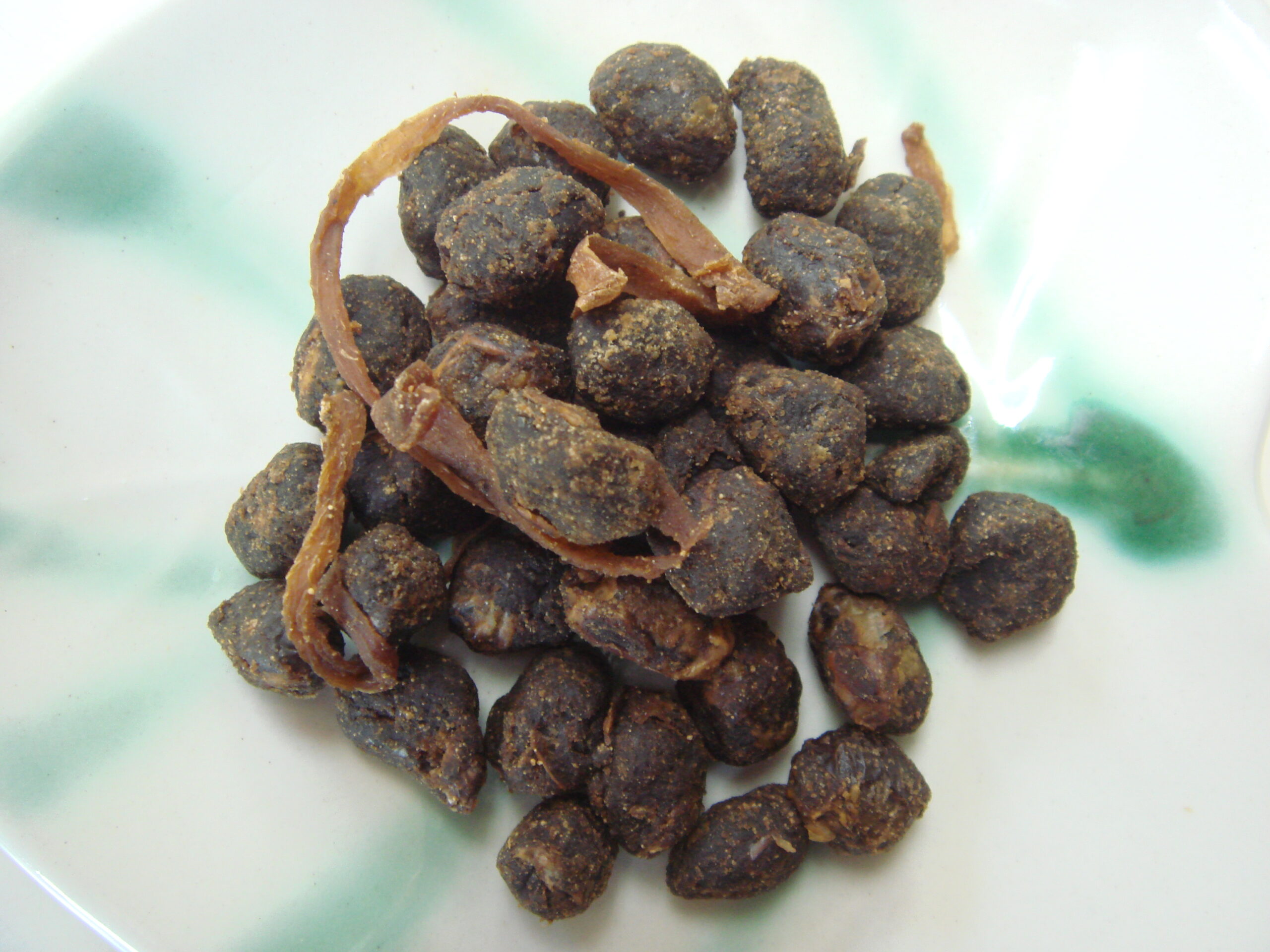
Hamanatto is a traditional fermented soybean food made around Hamamatsu, in Shizuoka Prefecture, Japan.
It is made using only three simple ingredients:
- Soybeans
- Salt
- Ginger
Unlike ordinary natto, Hamanatto is fermented with koji mold (Aspergillus oryzae), the same microorganism used to make miso, soy sauce, and sake.
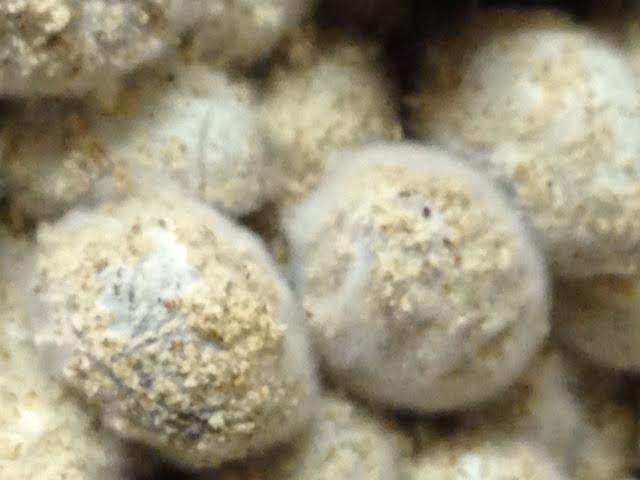
Soybeans covered with koji mold during the Hamanatto fermentation process
The soybeans are then aged for more than 12 months, creating a rich and concentrated umami flavor.
Today, only a few producers continue making authentic Hamanatto using traditional methods.
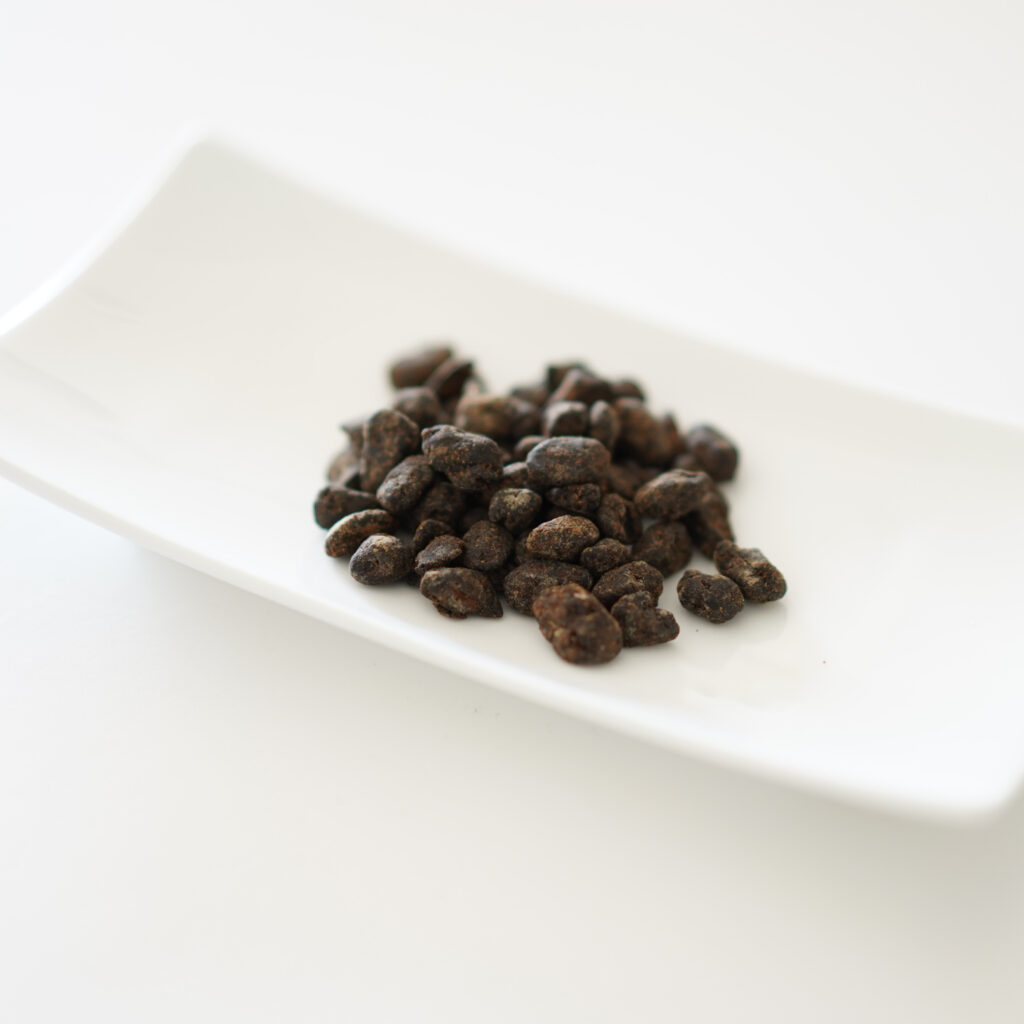
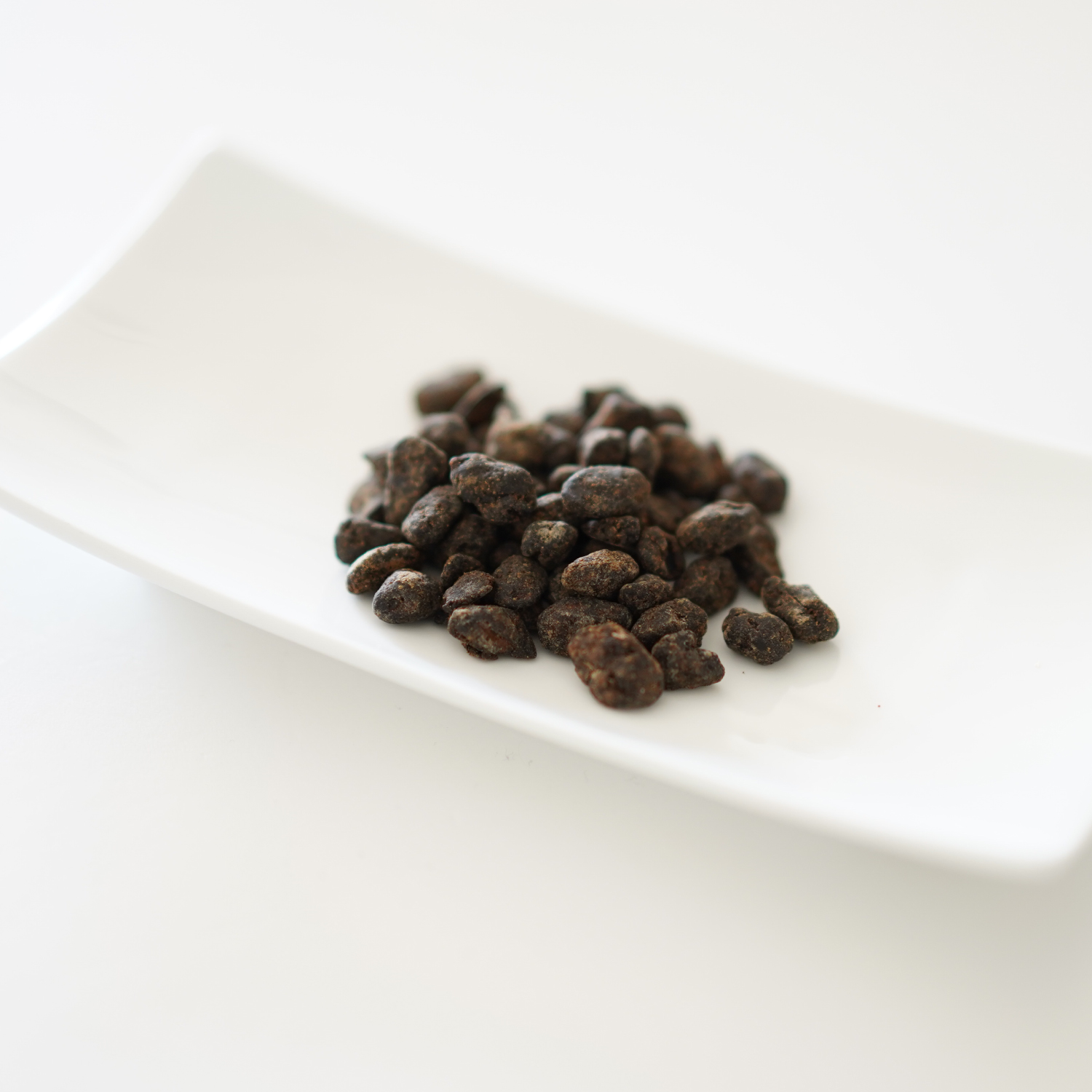
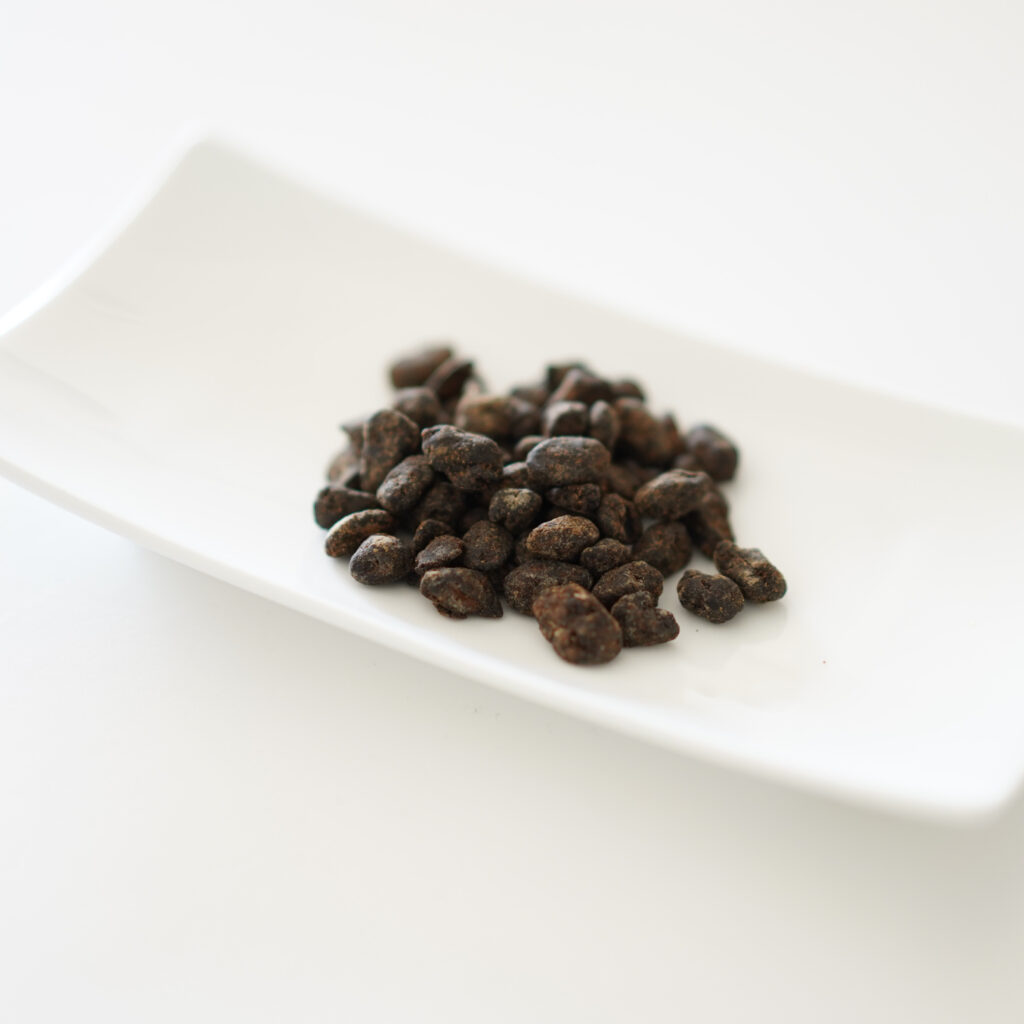
Traditional Hamanatto made in Hamamatsu, Japan.
What Does Hamanatto Taste Like?
People often ask me what Hamanatto tastes like.
The closest comparison is aged miso.
It has a rich, savory flavor with a deep umami that slowly spreads across your palate.
Because it is naturally concentrated, you only need a small amount to transform a dish.
Many people are surprised that one soybean can contain so much flavor.
What Is the Texture Like?
The texture surprises almost everyone.
Regular natto is sticky and stringy.
Hamanatto is neither.
Each soybean keeps its shape during fermentation.
The texture is soft and pleasantly chewy. Some people compare it to gummy candy—not because it tastes sweet, but because it has a similar bite.
Hamanatto vs. Natto
Although both are fermented soybeans, they are completely different foods.
| Hamanatto | Natto |
|---|---|
| Koji mold fermentation | Natto bacteria fermentation |
| Dark brown to black | Light brown |
| Soft and chewy | Sticky and stringy |
| Aged for over 12 months | Fermented in about one day |
| Rich umami flavor | Mild earthy flavor |
The biggest difference is the microorganism.
Hamanatto uses koji mold.
Natto uses Bacillus subtilis var. natto, commonly called natto bacteria.
The result is a completely different flavor, texture, and eating experience.
How Do People Eat Hamanatto?
In Hamamatsu, people enjoy Hamanatto in many different ways.
Some eat it with sake.
Some serve it over rice porridge.
My personal favorite is chilled tofu topped with Hamanatto.
It also adds remarkable umami to dishes such as:
- Curry
- Meat sauce pasta
- Mapo tofu
Just a small spoonful can completely change the flavor.
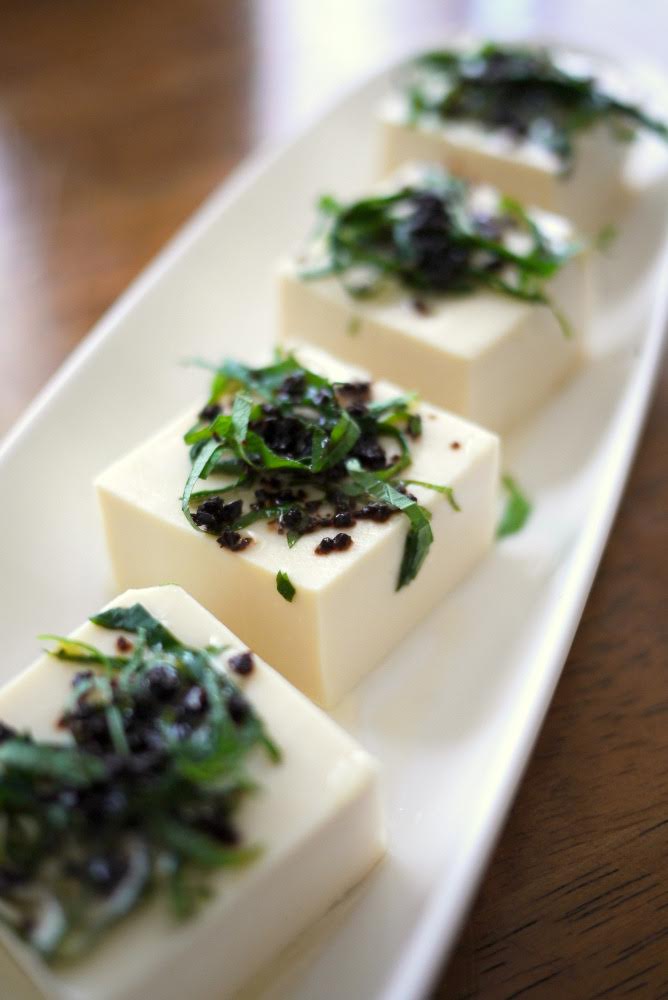
One of the simplest ways to enjoy Hamanatto is served over chilled tofu.
Why Is Hamanatto So Rare?
Making Hamanatto takes time.
A lot of time.
The fermentation and aging process lasts for more than 12 months.
Each batch requires careful temperature control, skilled craftsmanship, and patience.
Because it cannot be mass-produced, Hamanatto has remained one of Japan’s hidden food treasures.
That rarity is part of what makes it special.
Final Thoughts
Hamanatto is unlike any other fermented soybean food in Japan.
Its deep umami, traditional craftsmanship, and long history make it one of Japan’s most fascinating regional foods.
Whether you are a chef, a fermentation enthusiast, or simply someone who loves discovering authentic local specialties, Hamanatto offers a taste unlike anything else.
Taste Authentic Hamanatto
Reading about Hamanatto is interesting.
Tasting it is unforgettable.
If you’d like to experience authentic Hamanatto made in Hamamatsu, you can order it directly from Japan.
Continue Reading
Want to learn more?
Read these next:
- The 1,500-Year Journey of Hamanatto
- Why Tokugawa Ieyasu Valued Hamanatto
Frequently Asked Questions
Is Hamanatto the same as natto?
No.
Hamanatto is fermented with koji mold, while regular natto is fermented with natto bacteria.
Is Hamanatto sticky?
No.
It has a soft, chewy texture but is not sticky or stringy.
How long is Hamanatto aged?
Traditional Hamanatto is aged for more than 12 months.
Is Hamanatto vegan?
Yes.
Traditional Hamanatto contains only soybeans, salt, ginger, and koji mold.