

Japanese fermentation is transforming modern cuisine through craftsmanship, natural umami, and centuries of culinary tradition.
Introduction
For centuries, Japanese fermented foods remained largely unknown outside Japan.
Today, that is changing.
From Michelin-starred restaurants in Europe to innovative kitchens in North America and Australia, chefs are increasingly embracing traditional Japanese fermentation techniques.
Miso appears in fine dining sauces.
Shio koji tenderizes premium meats.
Artisan soy sauce replaces conventional seasonings.
Even lesser-known ingredients such as authentic Hamanatto are beginning to attract attention among chefs searching for entirely new expressions of umami.
This global interest is not simply another food trend.
It reflects a broader movement toward ingredients that combine exceptional flavor, traditional craftsmanship, and sustainable production.
Understanding why Japanese fermented foods have become so influential reveals much about the future direction of modern gastronomy.
- The World’s Growing Appreciation for Umami
- Fermentation Has Become a Global Movement
- Japanese Fermentation Matches Modern Culinary Values
- What You’ll Discover Next
- Chef’s Verdict
- Chef’s Insight
- Health-Conscious Consumers Are Driving Demand
- Sustainability Matters More Than Ever
- Michelin Restaurants Continue Expanding Their Use of Japanese Fermentation
- Storytelling Has Become Part of Fine Dining
- Social Media Has Accelerated Global Discovery
- Why This Growth Is Only Beginning
- Chef’s Verdict
- Chef’s Insight
- The Future of Japanese Fermented Foods
- Why Authentic Hamanatto May Be the Next Global Discovery
- Innovation Begins With Tradition
- Why Food Lovers Should Experience These Ingredients Now
- Final Thoughts
- Chef’s Verdict
- Chef’s Insight
- Related Articles
- Discover Authentic Hamanatto
The World’s Growing Appreciation for Umami
For many years, Western cuisine emphasized sweetness, acidity, bitterness, and saltiness.
Today, chefs increasingly recognize umami as an equally essential element of flavor.
Scientific research has helped explain why naturally occurring glutamates create depth and satisfaction without requiring excessive seasoning.
Japanese cuisine has quietly relied on this principle for centuries.
Ingredients such as kombu, katsuobushi, soy sauce, miso, and authentic Hamanatto naturally develop umami through fermentation or aging rather than artificial enhancement.
As chefs explore cleaner and more balanced flavor profiles, these traditional Japanese ingredients have become increasingly valuable.
Instead of adding intensity, they create harmony.
That subtle difference explains much of their growing international appeal.
Fermentation Has Become a Global Movement
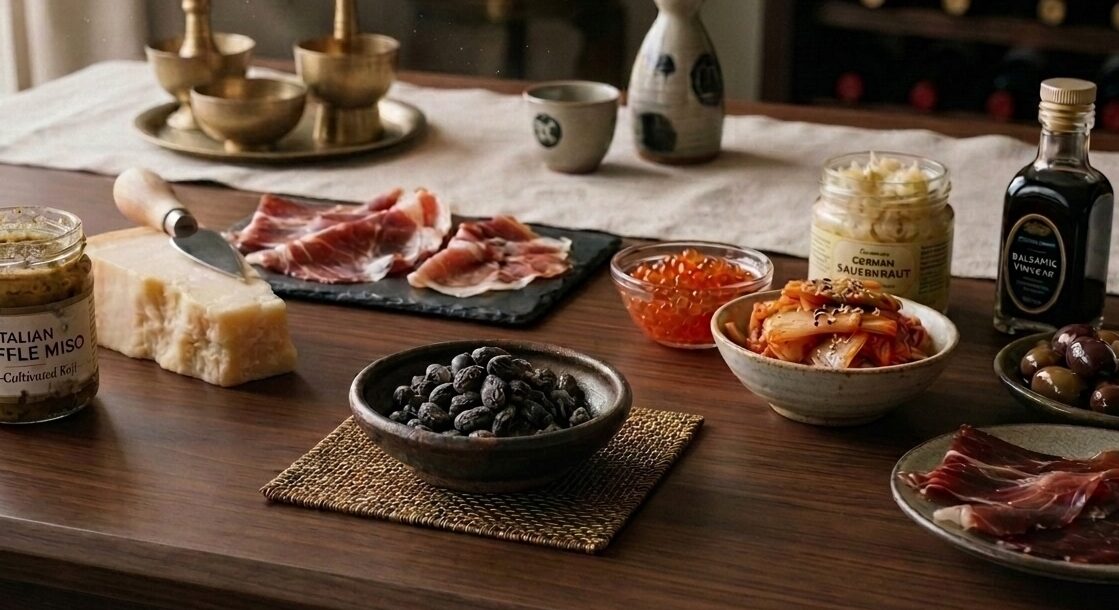
Interest in fermentation extends far beyond Japan.
Across the world, people are rediscovering traditional foods that were once considered old-fashioned.
Kimchi, sourdough bread, kombucha, aged cheeses, fermented vegetables, and naturally cured meats have all experienced renewed popularity.
Japanese fermentation fits perfectly within this global movement.
What distinguishes Japan’s approach is its remarkable refinement.
Rather than producing bold or aggressive flavors, many Japanese fermented foods emphasize elegance, balance, and gradual complexity.
This philosophy resonates strongly with chefs seeking precision instead of excess.
As fermentation continues gaining international recognition, Japan’s centuries-old techniques appear more relevant than ever.
Japanese Fermentation Matches Modern Culinary Values

Today’s chefs think differently than previous generations.
Exceptional flavor remains essential, but sustainability, authenticity, traceability, and craftsmanship have become equally important.
Japanese fermented foods naturally align with these values.
Most begin with remarkably simple ingredients.
Time replaces artificial processing.
Microorganisms perform the transformation instead of chemical additives.
This approach creates foods that feel both ancient and remarkably modern.
Authentic Hamanatto perfectly represents this philosophy.
Its production relies on patience rather than speed.
Its flavor develops naturally over nearly a year.
Its rarity results from craftsmanship—not marketing.
These qualities increasingly appeal to chefs who want every ingredient on the plate to tell a meaningful story.
What You’ll Discover Next
The worldwide popularity of Japanese fermented foods is driven by more than remarkable flavor alone.
Health awareness, sustainability, culinary creativity, and cultural storytelling all contribute to their growing influence.
In the following sections, we’ll explore how these factors are shaping restaurants around the world—and why authentic Hamanatto is becoming one of Japan’s most exciting discoveries for the next generation of chefs.
Chef’s Verdict
“Japanese fermentation is not trending because it is fashionable. It is trending because chefs everywhere are rediscovering what Japanese artisans have understood for centuries: time creates flavors that technology cannot imitate.”
Chef’s Insight
The most influential food movements rarely begin with marketing.
They begin when professional chefs recognize genuine quality.
Japanese fermented foods are expanding globally because they consistently deliver flavor, balance, and authenticity at the highest level.
Health-Conscious Consumers Are Driving Demand
One of the strongest forces behind the global rise of Japanese fermented foods is the growing interest in healthier eating.
Consumers today are reading ingredient labels more carefully than ever before.
Many prefer foods made with simple, recognizable ingredients rather than heavily processed alternatives.
Traditional Japanese fermented foods naturally fit these expectations.
Products such as miso, naturally brewed soy sauce, shio koji, and authentic Hamanatto are created through slow fermentation rather than artificial flavor enhancement.
Although each product has its own nutritional profile, they all demonstrate how time and natural microbial activity can transform simple ingredients into foods with extraordinary complexity.
For many consumers, this connection to traditional production creates confidence and authenticity that modern processed foods often lack.
Sustainability Matters More Than Ever
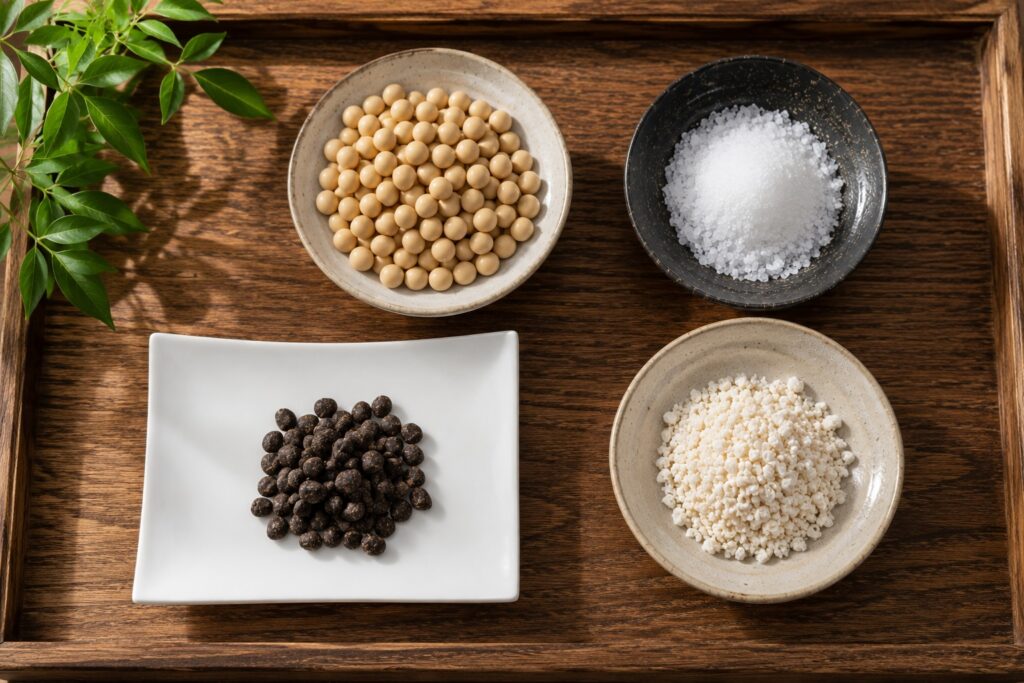
Another reason Japanese fermentation continues gaining popularity is sustainability.
Traditional fermentation makes remarkable use of relatively simple agricultural ingredients such as soybeans, rice, wheat, and salt.
Rather than depending on energy-intensive processing or complicated manufacturing, fermentation allows microorganisms to perform much of the transformation naturally.
This philosophy aligns closely with today’s emphasis on responsible food production.
Professional kitchens are also paying greater attention to reducing waste.
Fermented ingredients help chefs maximize flavor without requiring large quantities.
A single spoonful of artisan miso or only a few beans of authentic Hamanatto can enrich an entire recipe.
This efficiency makes fermentation both environmentally and economically attractive.
Michelin Restaurants Continue Expanding Their Use of Japanese Fermentation
Japanese fermented ingredients are no longer limited to Japanese restaurants.
Today they appear in some of the world’s finest kitchens.
Chefs use miso to deepen French sauces.
Shio koji naturally tenderizes premium meats.
Artisan soy sauce complements Italian seafood dishes.
Yuzu brightens desserts and cocktails.
Authentic Hamanatto is beginning to attract attention for an entirely different reason.
Its firm texture and naturally concentrated umami allow chefs to create distinctive finishing elements that guests rarely encounter elsewhere.
Rather than replacing traditional European ingredients, Japanese fermentation expands the chef’s creative vocabulary.
This flexibility explains why its influence continues growing across multiple culinary traditions.
Storytelling Has Become Part of Fine Dining

Modern fine dining is no longer focused solely on flavor.
Guests increasingly want to understand where ingredients come from, how they are produced, and why they matter.
Japanese fermented foods naturally support this type of storytelling.
Each ingredient carries regional history, traditional craftsmanship, and generations of accumulated knowledge.
Authentic Hamanatto offers an especially compelling narrative.
Its production requires nearly a full year of natural fermentation.
Its methods have been preserved for centuries.
Its rarity results not from exclusivity but from the patience required to produce it correctly.
For chefs, serving Hamanatto means offering guests both remarkable flavor and an unforgettable story.
Social Media Has Accelerated Global Discovery
Twenty years ago, discovering rare regional Japanese ingredients required extensive travel.
Today, a single photograph shared by a respected chef can introduce thousands of people to an unfamiliar product overnight.
Instagram, YouTube, and culinary publications have dramatically increased international exposure to Japanese fermentation.
Professional chefs regularly share new ingredients, preparation techniques, and creative applications.
Food enthusiasts quickly follow these discoveries, creating worldwide curiosity about products that were once known only within Japan.
Authentic Hamanatto has begun benefiting from this growing interest.
Although it remains rare, awareness continues increasing as more chefs experiment with traditional Japanese fermentation.
Why This Growth Is Only Beginning
The worldwide appreciation for Japanese fermented foods shows no sign of slowing.
As chefs continue searching for authentic ingredients with distinctive character, traditional Japanese fermentation offers almost limitless possibilities.
Many products have already achieved global recognition.
Others, including authentic Hamanatto, are only beginning their international journey.
For food lovers willing to explore beyond familiar ingredients, Japanese fermentation represents one of the most exciting areas of modern gastronomy.
Chef’s Verdict
“Great ingredients survive changing food trends because they solve timeless culinary challenges. Japanese fermented foods continue gaining worldwide recognition because they consistently deliver balance, authenticity, and naturally developed umami.”
Chef’s Insight
Many ingredients become popular through advertising.
Traditional Japanese fermented foods have followed a different path.
Their reputation has spread primarily through chefs who recognize exceptional quality and introduce these ingredients to the world one dish at a time.
The Future of Japanese Fermented Foods
Japanese fermented foods are no longer viewed as niche ingredients reserved for traditional cuisine.
They have become part of a broader global movement that values authenticity, craftsmanship, and naturally developed flavor.
As restaurants continue moving toward seasonal tasting menus and ingredient-driven cooking, fermentation is becoming more relevant than ever.
Chefs are increasingly looking beyond familiar products like soy sauce and miso.
They are searching for ingredients that offer originality while remaining rooted in genuine culinary tradition.
This shift creates new opportunities for lesser-known Japanese fermented foods to reach international audiences.
Authentic Hamanatto is perfectly positioned within this movement.
Its extraordinary aging process, concentrated umami, and centuries-old heritage make it unlike any other fermented soybean product currently available worldwide.
Why Authentic Hamanatto May Be the Next Global Discovery
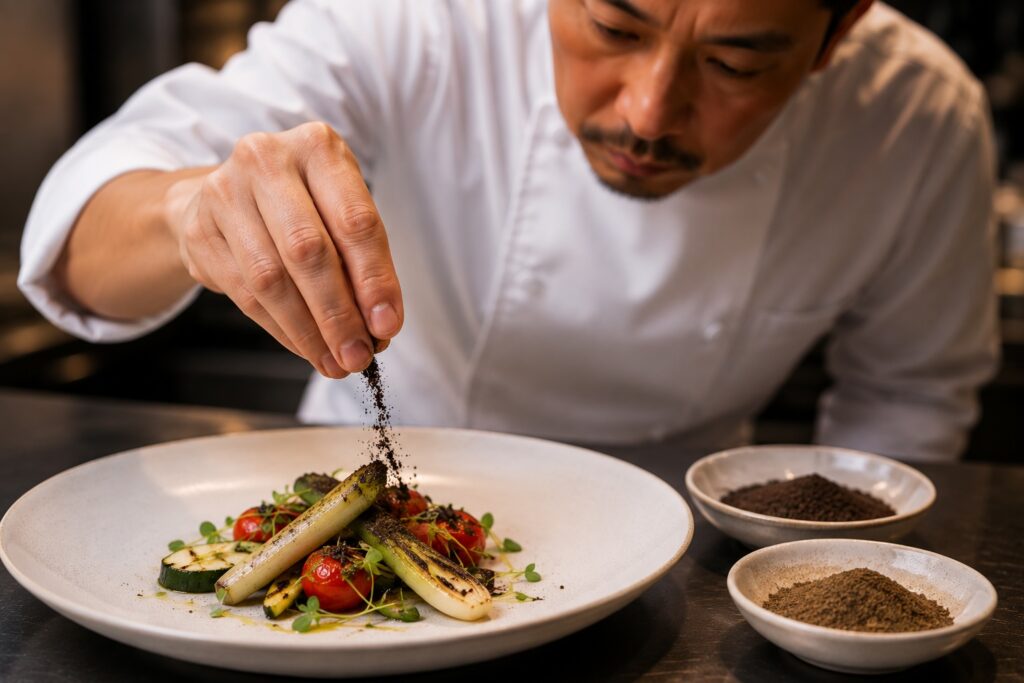
Many Japanese ingredients followed a similar path before becoming internationally respected.
Decades ago, few people outside Japan knew about matcha.
The same was true for yuzu, shiso, or shio koji.
Today they appear in restaurants across Europe, North America, Australia, and Asia.
Authentic Hamanatto remains at an earlier stage of that journey.
Its limited production means it has never been widely promoted internationally.
Yet the qualities that chefs increasingly seek—depth of flavor, authenticity, rarity, and a compelling story—are already present.
Rather than following a temporary food trend, Hamanatto represents the rediscovery of a culinary tradition that has quietly existed for centuries.
As more chefs experiment with Japanese fermentation, authentic Hamanatto is likely to attract growing attention.
Innovation Begins With Tradition
One of the greatest misconceptions about traditional foods is that they cannot inspire innovation.
History repeatedly proves the opposite.
Many of today’s most creative dishes are built upon techniques developed hundreds of years ago.
Fermentation is one of those techniques.
Japanese artisans perfected methods that transformed ordinary ingredients into foods of extraordinary complexity.
Modern chefs are now applying these same ingredients in completely new ways.
Authentic Hamanatto may appear beside handmade pasta.
Miso enriches beurre blanc.
Shio koji tenderizes dry-aged beef.
Yuzu enhances chocolate desserts.
Innovation does not replace tradition.
It expands upon it.
That balance between respect for history and creative exploration defines the future of Japanese fermentation.
Why Food Lovers Should Experience These Ingredients Now

As awareness continues growing, authentic Japanese fermented foods are becoming easier to appreciate—but not necessarily easier to obtain.
Many traditional producers deliberately remain small.
Their priority is preserving quality rather than dramatically increasing production.
This is especially true for authentic Hamanatto.
Its year-long fermentation cycle naturally limits annual output.
Each batch requires patience that cannot be accelerated without compromising quality.
For food enthusiasts, discovering authentic Hamanatto today offers the opportunity to experience one of Japan’s most remarkable culinary traditions before it becomes widely recognized.
Sometimes the greatest discoveries are the ones made just before the rest of the world catches up.
Final Thoughts
The worldwide popularity of Japanese fermented foods is not simply another culinary trend.
It reflects a deeper appreciation for ingredients that combine exceptional flavor with meaningful craftsmanship.
Traditional Japanese fermentation demonstrates that remarkable food does not require complicated recipes or artificial enhancement.
Time, skill, and carefully selected natural ingredients remain the most valuable tools.
Among Japan’s many fermented foods, authentic Hamanatto occupies a particularly special place.
Its rarity is genuine.
Its production remains deeply traditional.
Its umami rivals some of the world’s finest aged ingredients.
As more chefs and food lovers discover its remarkable qualities, Hamanatto may become one of Japan’s next internationally celebrated culinary treasures.
For those willing to explore beyond familiar ingredients, the future of Japanese fermentation has already begun.
Chef’s Verdict
“The future of fine dining belongs to ingredients with authenticity, character, and purpose. Authentic Hamanatto embodies all three, proving that centuries-old craftsmanship still has the power to inspire tomorrow’s greatest dishes.”
Chef’s Insight
The most influential ingredients rarely become famous overnight.
They earn recognition because chefs continue returning to them, service after service, year after year.
Authentic Hamanatto possesses exactly the qualities that create lasting culinary relevance rather than temporary popularity.
Related Articles
Discover Authentic Hamanatto
Experience one of Japan’s rarest fermented delicacies.
Crafted using traditional methods and naturally aged for nearly a full year, authentic Hamanatto delivers extraordinary umami that continues to surprise chefs and passionate food lovers around the world.