

Why Authentic Hamanatto Is So Rare
Authentic Hamanatto remains one of Japan’s rarest fermented foods because true craftsmanship cannot be rushed.
Introduction
Many traditional foods become famous because they are widely available.
Authentic Hamanatto followed a completely different path.
Although it has been produced in Japan for centuries, it remains one of the country’s least-known fermented foods.
Even many Japanese people have never tasted it.
Outside Japan, authentic Hamanatto is even harder to find.
This rarity is not the result of clever marketing or intentional exclusivity.
Instead, it reflects a production method that values patience, craftsmanship, and quality above efficiency.
Understanding why Hamanatto is so rare also explains why chefs around the world increasingly recognize its exceptional culinary value.
- More Than Just a Rare Food
- A Production Scale Unlike Modern Fermented Foods
- Chef’s Verdict
- Related Articles
- Discover Authentic Hamanatto
- Why Only a Few Producers Still Make Authentic Hamanatto
- A Tradition Rooted in Hamamatsu
- Chef’s Verdict
- Related Articles
- Discover Authentic Hamanatto
- Why Michelin Chefs Value Rare Fermented Ingredients
- The Growing Appreciation for Traditional Fermentation
- Rarity Creates Respect
- More Than a Seasoning
- Final Thoughts
- Chef’s Verdict
- Related Articles
- Discover Authentic Hamanatto
More Than Just a Rare Food
When people first discover Hamanatto, they are often surprised by how difficult it is to find.
Unlike soy sauce, miso, or ordinary natto, authentic Hamanatto is produced in extremely limited quantities.
Even inside Japan, many people have never tasted it.
Outside Japan, it remains almost unknown.
This rarity is not created by artificial scarcity.
It is simply the natural result of a traditional manufacturing process that has changed very little over hundreds of years.
Authentic Hamanatto cannot be produced quickly.
Each batch requires carefully selected soybeans, natural fermentation, experienced craftsmanship, and an exceptionally long maturation period.
These factors make large-scale industrial production almost impossible.
As a result, Hamanatto has remained one of Japan’s hidden culinary treasures instead of becoming another mass-produced seasoning.
A Production Scale Unlike Modern Fermented Foods
-1.jpg)
Most popular fermented foods today are manufactured in highly automated factories.
Modern technology carefully controls temperature, humidity, and fermentation conditions, allowing thousands of tons to be produced every year.
Hamanatto follows an entirely different philosophy.
Production is intentionally slow.
Instead of maximizing efficiency, traditional producers focus on preserving methods that prioritize flavor above volume.
Many steps still require direct human judgment throughout the fermentation and aging process.
Rather than measuring success by annual production, producers evaluate every batch by its aroma, texture, appearance, and depth of umami.
Because of this commitment to quality, authentic Hamanatto remains extraordinarily limited compared with almost every other Japanese fermented food.
Time Cannot Be Compressed
Perhaps the greatest reason for Hamanatto’s rarity is something modern technology cannot replace.
Time.
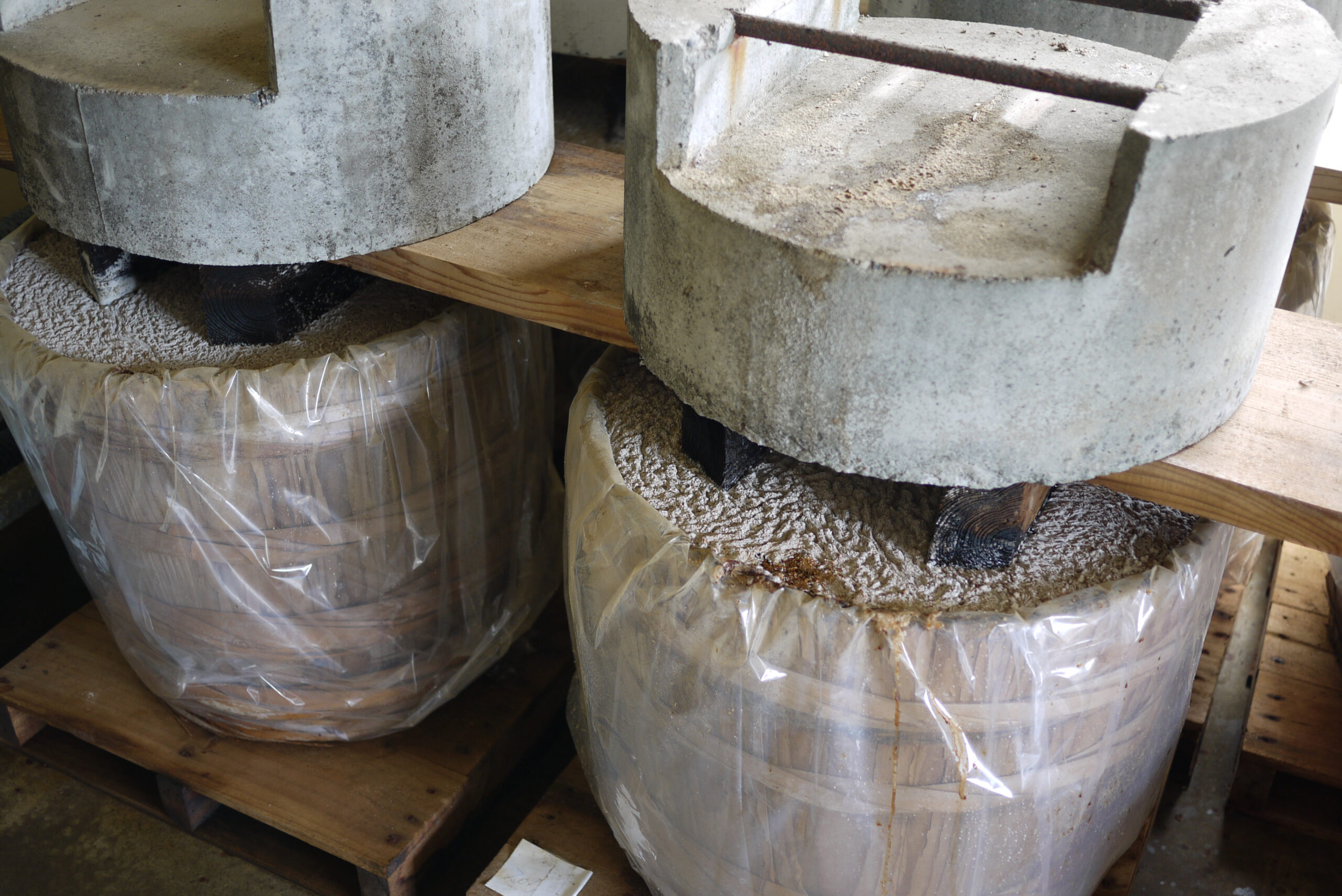
Unlike many fermented foods that are ready within days or weeks, authentic Hamanatto matures for approximately one full year.
During this long aging period, microorganisms slowly transform the soybeans.
Proteins gradually break down into amino acids.
Complex aromas continue developing.
Moisture slowly decreases while the concentration of umami steadily increases.
These changes happen naturally.
No machine can dramatically accelerate this process without changing the final character of the product.
Because fermentation cannot simply be rushed, producers cannot immediately increase supply whenever demand grows.
Every package of authentic Hamanatto represents nearly a year of careful patience before it reaches the customer.
Why This Matters
In today’s food industry, speed is often considered an advantage.
Authentic Hamanatto represents the opposite philosophy.
Its greatest strength comes from patience.
Every month of fermentation contributes to its unique texture, mature aroma, and concentrated umami.
This commitment to traditional production is precisely why Hamanatto remains rare today.
For many professional chefs, limited availability is not a disadvantage.
Instead, it serves as evidence that exceptional ingredients still require extraordinary care, craftsmanship, and time.
Chef’s Verdict
“Authentic Hamanatto is rare not because producers limit supply, but because exceptional craftsmanship cannot be accelerated. Every bean represents nearly a year of patient fermentation, making it one of Japan’s most remarkable traditional umami ingredients.”
Related Articles
- What Is Hamanatto?
- Hamanatto vs. Natto
- How to Eat Hamanatto
- Where to Buy Authentic Hamanatto
Discover Authentic Hamanatto
Interested in experiencing one of Japan’s rarest fermented foods?
Explore authentic Hamanatto made using traditional methods and discover why chefs appreciate its extraordinary depth of umami.
Why Only a Few Producers Still Make Authentic Hamanatto
Unlike many Japanese fermented foods, authentic Hamanatto is produced by only a handful of traditional manufacturers.
Over the centuries, countless regional fermentation techniques disappeared as industrial food production became more efficient.
Hamanatto was one of the few that survived.
The production process requires knowledge that cannot easily be learned from books or automated by machines.
Experienced craftsmen monitor every stage of fermentation, adjusting conditions based on observation rather than strict numerical formulas.
The appearance of the soybeans, their aroma, moisture, and texture all provide important clues about the progress of fermentation.
This accumulated experience is passed down over many years.
As fewer people enter traditional fermentation industries, maintaining these techniques becomes increasingly difficult.
That is one reason authentic Hamanatto remains exceptionally rare today.
A Tradition Rooted in Hamamatsu
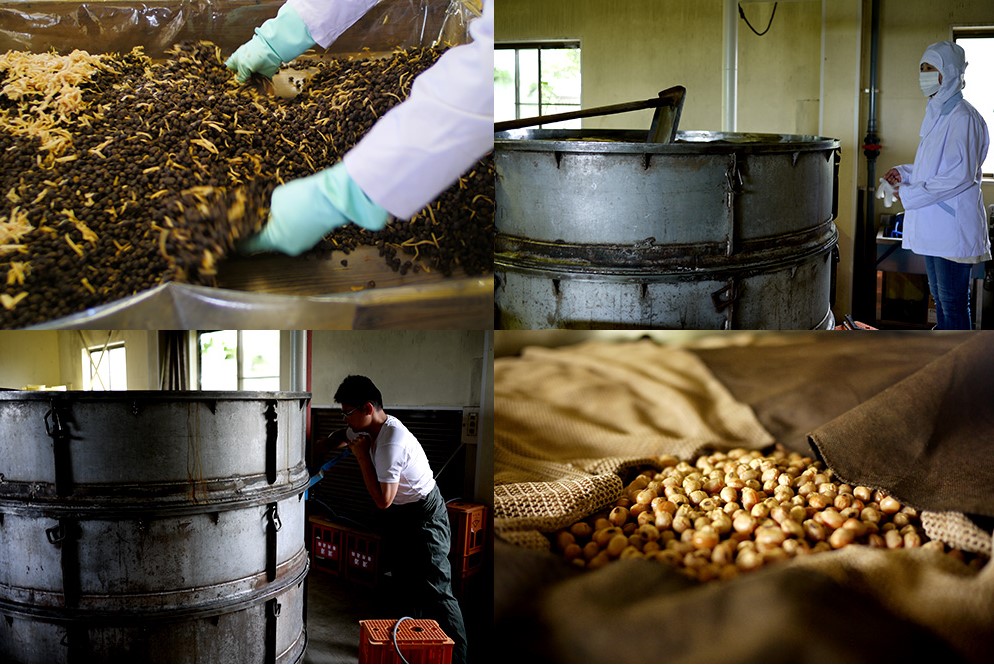
Authentic Hamanatto has long been associated with Hamamatsu in Shizuoka Prefecture.
For generations, local producers refined their methods using the region’s climate and natural environment.
The combination of carefully prepared soybeans, traditional koji fermentation, and extended aging became part of the area’s culinary identity.
Unlike products designed for nationwide mass production, Hamanatto remained closely connected to its place of origin.
This regional heritage continues to influence how authentic Hamanatto is produced today.
For many producers, preserving tradition is just as important as producing food.
Every batch reflects not only fermentation skills but also the cultural history of the region itself.
Limited Distribution Makes It Even Harder to Find
Even after production is complete, authentic Hamanatto rarely enters large international distribution networks.
Most producers manufacture relatively small batches each year.
Many products are sold directly through local shops, specialty food retailers, or selected online stores.
This limited distribution helps preserve quality but also makes Hamanatto difficult to discover.
Outside Japan, authentic Hamanatto remains especially uncommon.
Only a small number of importers specialize in traditional Japanese fermented foods, meaning availability often depends on seasonal shipments and limited inventory.
For international chefs, obtaining authentic Hamanatto frequently requires planning well in advance rather than placing a routine wholesale order.
Quality Comes Before Quantity

Modern food production often focuses on increasing output.
Authentic Hamanatto follows a completely different philosophy.
Traditional producers refuse to shorten the fermentation period simply to increase production.
Doing so would alter the texture, aroma, and concentrated umami that define authentic Hamanatto.
Instead, they continue producing relatively small quantities while maintaining methods refined over centuries.
Every batch receives the time it needs to mature naturally.
This commitment to quality explains why authentic Hamanatto remains one of Japan’s rarest traditional fermented foods.
Its scarcity is not manufactured.
It is earned through patience.
Chef’s Verdict
“The world’s greatest ingredients are rarely those produced in the largest quantities. Authentic Hamanatto demonstrates that true culinary excellence comes from preserving tradition, respecting time, and refusing to compromise quality.”
Related Articles
- What Is Hamanatto?
- Hamanatto vs. Natto
- How to Eat Hamanatto
- Where to Buy Authentic Hamanatto
Discover Authentic Hamanatto
Interested in experiencing one of Japan’s rarest fermented foods?
Explore authentic Hamanatto made using traditional methods and discover why chefs around the world appreciate its remarkable depth of umami.
Why Michelin Chefs Value Rare Fermented Ingredients
The world’s finest restaurants are constantly searching for ingredients that offer something unique.
For Michelin-level chefs, rarity alone has little value.
An ingredient must contribute exceptional flavor, remarkable consistency, and a compelling story.
Authentic Hamanatto satisfies all three.
Its concentrated natural umami provides extraordinary depth while requiring only a very small quantity.
Rather than overwhelming a dish, it enhances the existing flavors with remarkable subtlety.
This ability to elevate rather than dominate makes Hamanatto particularly attractive to chefs who value balance and precision.
For many professionals, authentic Hamanatto is not simply another seasoning.
It is a finishing ingredient capable of adding complexity without unnecessary richness.
The Growing Appreciation for Traditional Fermentation
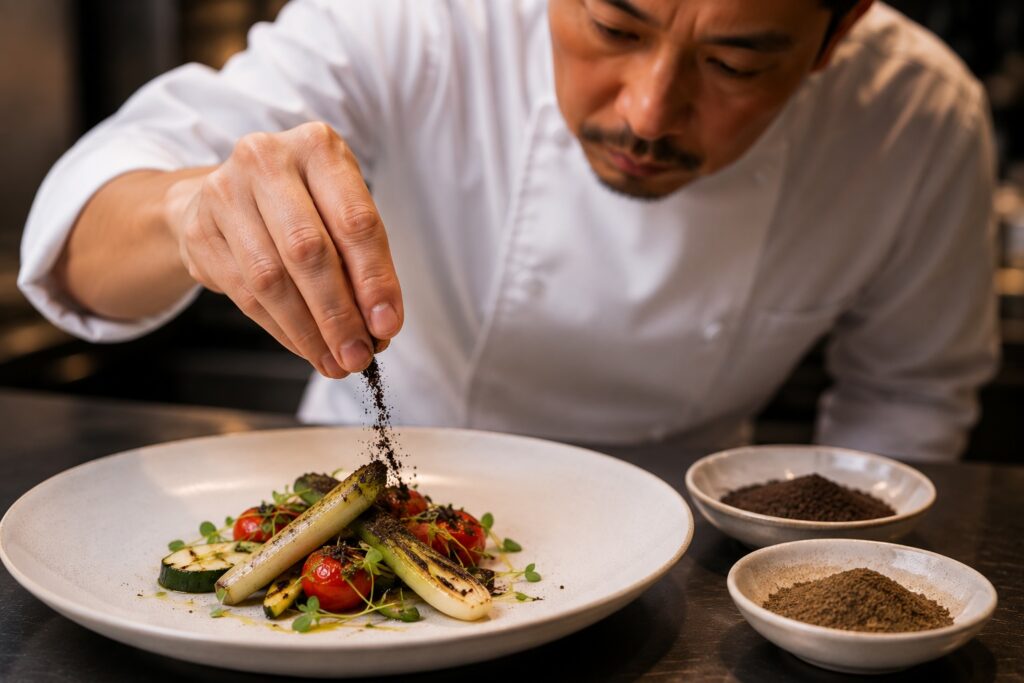
Over the last decade, chefs around the world have shown renewed interest in traditional fermentation.
Ancient techniques that were once considered old-fashioned are now recognized as valuable sources of naturally developed flavor.
Fermented ingredients such as miso, soy sauce, fish sauce, aged cheeses, and fermented vegetables have become essential components of modern fine dining.
Authentic Hamanatto belongs naturally within this family of respected ingredients.
What makes it different is its exceptionally long maturation period and its distinctive firm texture.
While many fermented foods emphasize softness or liquid form, Hamanatto preserves the integrity of each soybean while concentrating its flavor over many months.
This combination of texture and umami offers chefs creative possibilities that few other fermented ingredients can provide.
Rarity Creates Respect
Exceptional ingredients often share one characteristic.
They cannot be rushed.
The same is true for authentic Hamanatto.
Its limited production is not designed to increase demand.
Instead, scarcity naturally results from a production process that requires patience and careful craftsmanship.
For chefs, this scarcity creates confidence rather than frustration.
When an ingredient remains traditional despite commercial pressure, it often signals that quality has never been sacrificed for convenience.
Authentic Hamanatto represents exactly this philosophy.
Its reputation has been built through generations of consistency rather than mass marketing.
More Than a Seasoning
Many people first think of Hamanatto as a traditional side dish served with rice.
Professional chefs often see something entirely different.
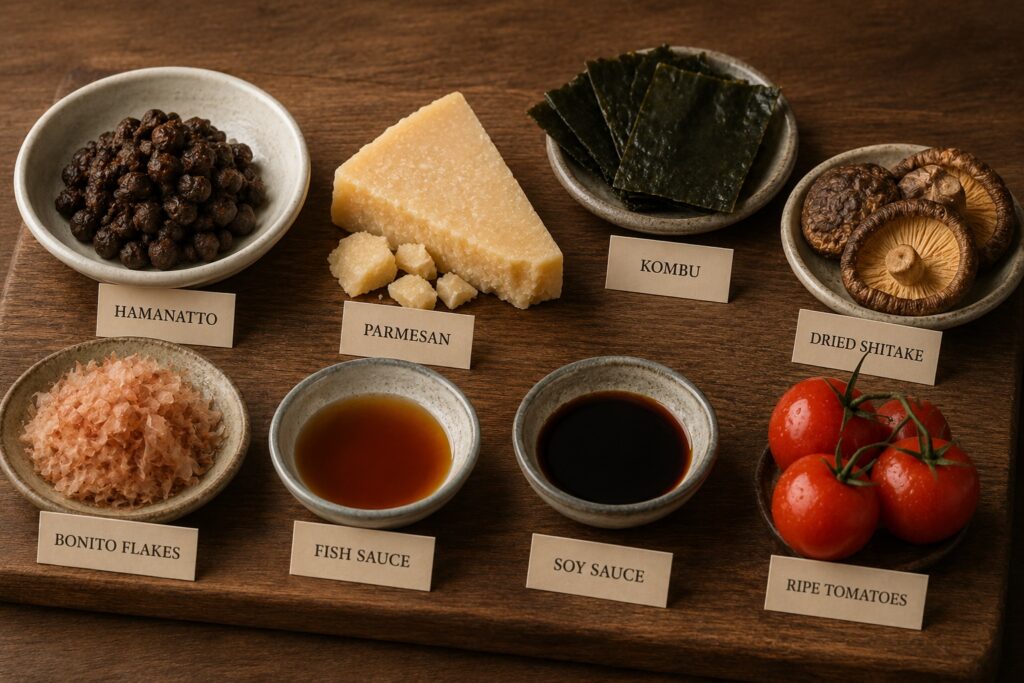
They recognize it as a highly concentrated source of natural umami.
Only a few beans can transform sauces, compound butter, vinaigrettes, vegetable dishes, seafood, or grilled meats.
Instead of replacing existing seasonings, Hamanatto works alongside them, adding layers of flavor that continue developing with every bite.
This versatility explains why chefs experimenting with Japanese fermentation continue discovering new ways to incorporate Hamanatto into modern cuisine.
Final Thoughts
Authentic Hamanatto remains rare because exceptional craftsmanship cannot be accelerated.
Its limited production reflects centuries of traditional knowledge, careful fermentation, and an unwavering commitment to quality.
In today’s food industry, efficiency often takes priority.
Hamanatto reminds us that some of the world’s finest flavors still require patience.
For chefs, artisans, and fermentation enthusiasts alike, authentic Hamanatto represents far more than a rare ingredient.
It represents a living culinary tradition that continues to reward those who appreciate genuine craftsmanship.
Chef’s Verdict
“Authentic Hamanatto proves that true rarity is never manufactured. It is earned through time, tradition, and uncompromising craftsmanship. Every bean tells a story that no industrial process can reproduce.”
Related Articles
- What Is Hamanatto? Japan’s Hidden Fermented Food
- Hamanatto vs. Natto: What’s the Difference?
- How to Eat Hamanatto
- Where to Buy Authentic Hamanatto
Discover Authentic Hamanatto
Interested in experiencing one of Japan’s rarest fermented foods?
Explore authentic Hamanatto crafted using traditional methods and discover why discerning chefs around the world value its extraordinary depth of umami.